
There’s a tailored approach to strength training that can help you achieve your goals effectively. Whether you’re a beginner or seasoned athlete, understanding what exercises help build strength while minimizing injury risk is vital. Emphasizing compound movements and a balanced routine can enhance your performance and improve your overall physique. Additionally, incorporating rest and recovery is imperative for muscle growth and longevity in your fitness journey. This guide will equip you with the best practices to optimize your routine for female strength goals.
Key Takeaways:
- Incorporate a mix of resistance training and cardio for optimal strength and fitness results.
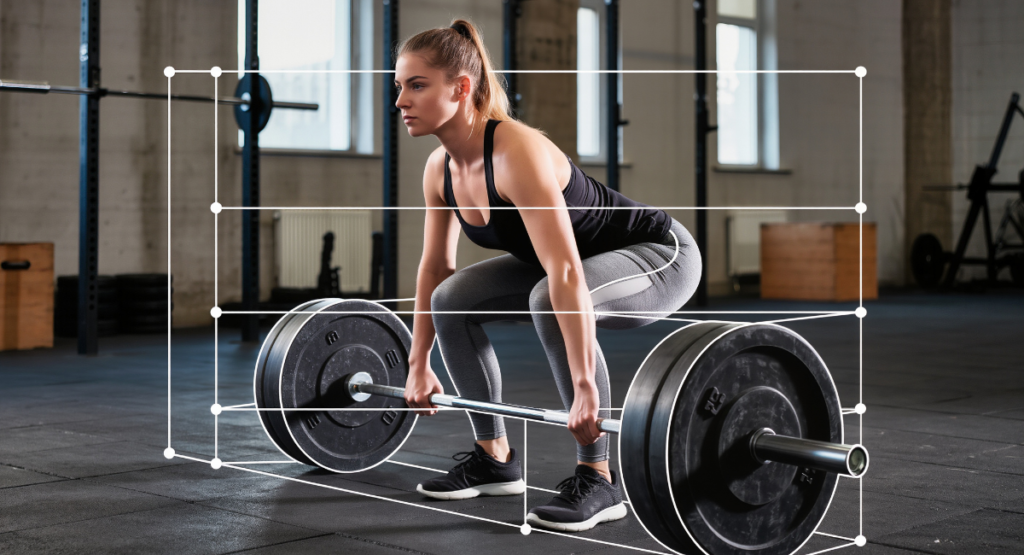
- Focus on compound movements such as squats, deadlifts, and bench presses to build overall strength.
- Adjust nutrition to support strength training, prioritizing protein intake for muscle recovery and growth.
Understanding Female Physiology in Strength Training
Muscle Composition and Growth
Your muscle composition differs from men’s, primarily due to greater amounts of type I muscle fibers. This means you may excel in endurance activities but can also increase your strength through focused training. Engaging in resistance training leads to hypertrophy, the growth of muscle fibers, enhancing both your power and aesthetics.
Hormonal Influences on Strength Development
Hormones like estrogen and progesterone play significant roles in your strength training outcomes. Estrogen can enhance muscle recovery, while progesterone might affect your mood and energy levels during workouts.
During your menstrual cycle, fluctuations in estrogen and progesterone can impact strength and endurance. For example, during the follicular phase, increased estrogen can enhance muscle repair, making this a prime time for training intensity. Conversely, the luteal phase, with higher progesterone, may lead to fatigue, impacting performance. Tailoring your training schedule around your cycle can optimize strength gains.
Recovery Needs for Women
Quality recovery is imperative in your strength training regimen. Women often require longer recovery periods due to differences in muscle composition and hormonal cycles. Adequate sleep, nutrition, and rest days significantly enhance your performance and muscle repair.
Taking into account that your body may respond differently to stress and fatigue, focusing on recovery strategies is important. Incorporating practices such as active recovery, foam rolling, and ensuring sufficient protein intake will help you recover efficiently. Aim for 7-9 hours of sleep per night, and adjust your training frequency based on how your body responds to workouts, ensuring you’re ready for your next session.
Setting Strength Goals for Women
Identifying Objectives: Powerlifting vs. Aesthetics
When defining your strength goals, you should consider whether you lean towards powerlifting or aesthetic training. Powerlifting focuses on maximizing strength in three lifts: the squat, bench press, and deadlift, often leading to heavier weights and lower rep ranges. On the other hand, aesthetic training emphasizes muscle definition and body composition, which may involve higher repetitions and varied exercises for balanced development. Choose the path that aligns with your interests and desired outcomes, as this choice will steer your training routine and mindset.
Measuring Progress: Metrics for Success
To gauge your progress effectively, you need quantifiable metrics that reflect your strength improvements. Tracking your lifts, body measurements, and even workout consistency can provide insights into how well you’re meeting your goals. Utilize a method that resonates with you to maintain motivation and adjust your approach when necessary.
Importance of Personalization in Goal Setting
Establishing personalized goals is particularly vital for women in strength training. Your individual circumstances-including body type, fitness level, and lifestyle-should dictate your approach. A one-size-fits-all routine rarely yields optimal results. Emphasizing your unique needs enables you to tailor exercises and progression for a more rewarding fitness journey.
Measuring your progress involves more than just tracking weights; consider factors like energy levels and recovery times, which are equally significant. You might find it beneficial to maintain a journal, noting not only your lifts but also how you feel during workouts. This comprehensive view can help you identify patterns and adjust your training regimen effectively. For those looking for structured workout routines, check out the Best Workout Splits for Women to enhance your training strategy.
Importance of Personalization in Goal Setting
Personalization is the key to sustained motivation and progress in your strength journey. Your fitness journey should reflect your lifestyle, preferences, and physical condition, allowing for a blend of exercises that you enjoy and excel in. This not only helps you remain committed but also yields better results, as your program grows with you and your evolving interests.
Components of an Effective Strength Training Routine
Types of Exercises: Compound vs. Isolation
For optimal strength development, you should focus on both compound and isolation exercises. Compound movements, like squats and deadlifts, engage multiple muscle groups, enhancing functional strength and caloric expenditure. In contrast, isolation exercises, such as bicep curls and tricep extensions, allow for targeted muscle engagement to improve definition. Combining these types maximizes efficiency and effectiveness in your training routine.
- Compound Exercises: Squats, Deadlifts, Bench Press
- Isolation Exercises: Bicep Curls, Leg Extensions, Lateral Raises
- Functional Strength: Multi-joint movements improve real-life performance
- Targeted Definition: Focus on specific muscles for aesthetic goals
- Balanced Routine: Blend both types for comprehensive strength
Recognizing the *importance* of integrating both types of exercises is key for achieving comprehensive strength outcomes.
Frequency and Volume of Workouts
Your training frequency and volume significantly influence strength gains. Typically, aiming for 3 to 5 strength training sessions per week will allow for adequate recovery and muscle growth. Each workout should include 3 to 5 sets of 6 to 12 repetitions per exercise, balancing intensity with volume for optimal results.
| Sessions per Week | 3-5 |
| Sets per Exercise | 3-5 |
| Reps per Set | 6-12 |
| Rest Between Sets | 30-90 seconds |
| Workout Duration | 45-60 minutes |
Importance of Warm-Up and Cool-Down Sessions
Incorporating warm-up and cool-down sessions into your routine is vital for enhancing performance and preventing injuries. A dynamic warm-up prepares your muscles and joints for the upcoming exertion, while a cool-down aids in recovery and flexibility.
Notably, a proper warm-up can include activities like jumping jacks or dynamic stretches to get your heart rate up and activate your muscles. Following your workout, static stretching during the cool-down promotes increased flexibility and reduces post-exercise soreness. Engaging in both will ensure that your strength training remains safe and effective.
Nutrition for Strength Goals
Importance of Macronutrients: Protein, Carbs, Fats
To achieve your strength goals, understanding the role of macronutrients is important. Protein is vital for muscle repair and synthesis, while carbohydrates provide the energy required for intense workouts. Healthy fats help regulate hormones and support overall health, so incorporating the right balance of these nutrients is key to optimizing your strength training and recovery.
Pre- and Post-Workout Nutrition Strategies
Your nutritional choices before and after workouts can significantly enhance your performance and recovery. Consuming a meal rich in carbohydrates and protein about 2-3 hours before your workout fuels your muscles, while a post-workout snack or meal with similar macronutrients within 30 minutes helps replenish glycogen stores and promote muscle repair.
For pre-workout nutrition, aim for a meal that combines complex carbohydrates, like whole grains or fruits, with a moderate amount of protein. This fuels your energy reserves and primes your body for strength training. After your workout, focus on protein-rich foods, such as chicken, fish, or plant-based alternatives, paired with simple carbohydrates to quickly restore your energy levels and support muscle recovery. Timing and composition of these meals can enhance performance and lead to better strength outcomes.
Hydration and Its Role in Performance
Staying hydrated is vital for optimal performance during your strength training. Dehydration, even as little as 2% loss in body weight, can negatively impact both strength and endurance, leading to reduced workout effectiveness. Aim to drink water consistently throughout the day, and consider electrolyte balance if you’re sweating significantly during your sessions.
Proper hydration influences not just your physical performance but also your mental focus and recovery. Muscle function relies on adequate fluid levels; therefore, make it a habit to drink before, during, and after workouts. Including electrolyte drinks during longer sessions can further maintain stamina and enhance recovery, allowing you to push through your strength training regimen successfully.
Overcoming Common Barriers
Time Management for Busy Women
Finding time to exercise can feel daunting when you have a packed schedule. To combat this, prioritize your workouts by scheduling them like important appointments. Short, focused sessions of 30 to 45 minutes three to four times a week can be highly effective. Consider high-intensity interval training (HIIT) or circuit training to maximize efficiency while still achieving strength goals.
Building Confidence in a Gym Environment
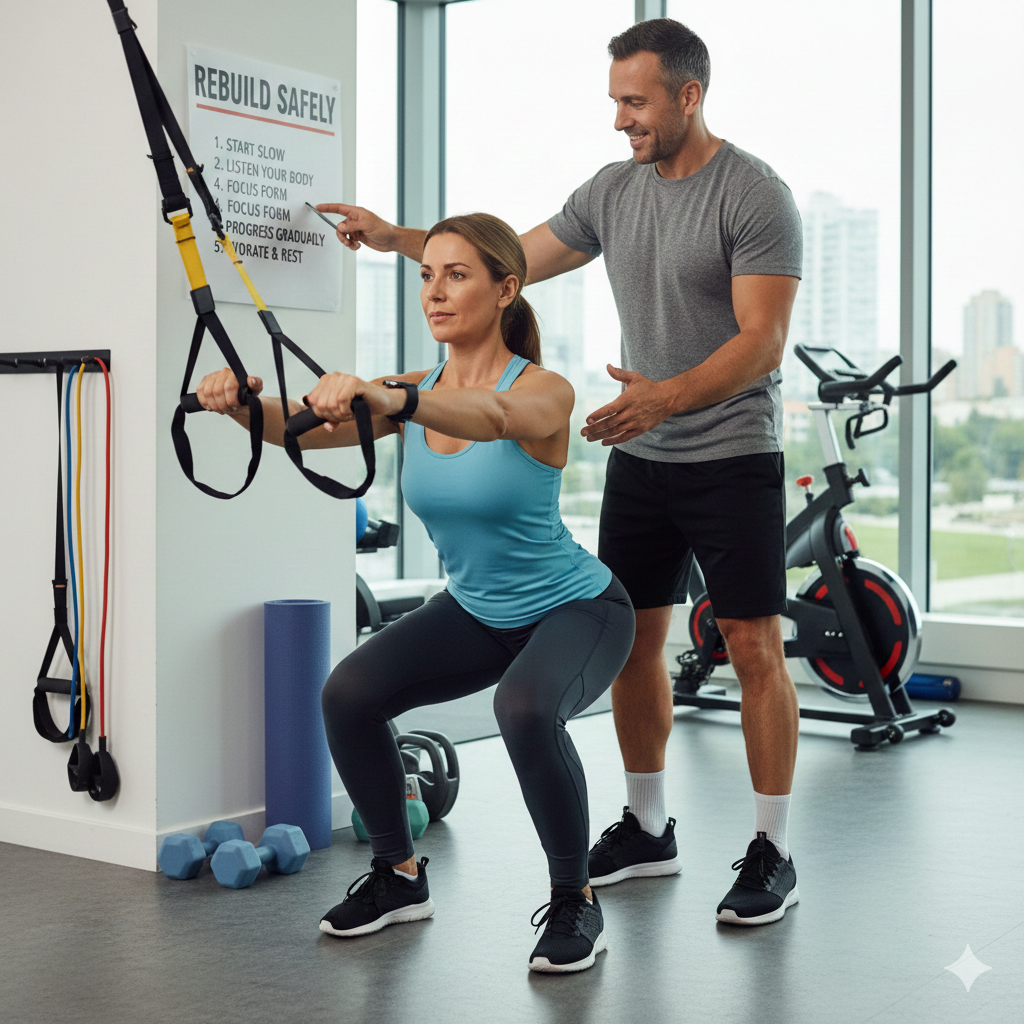
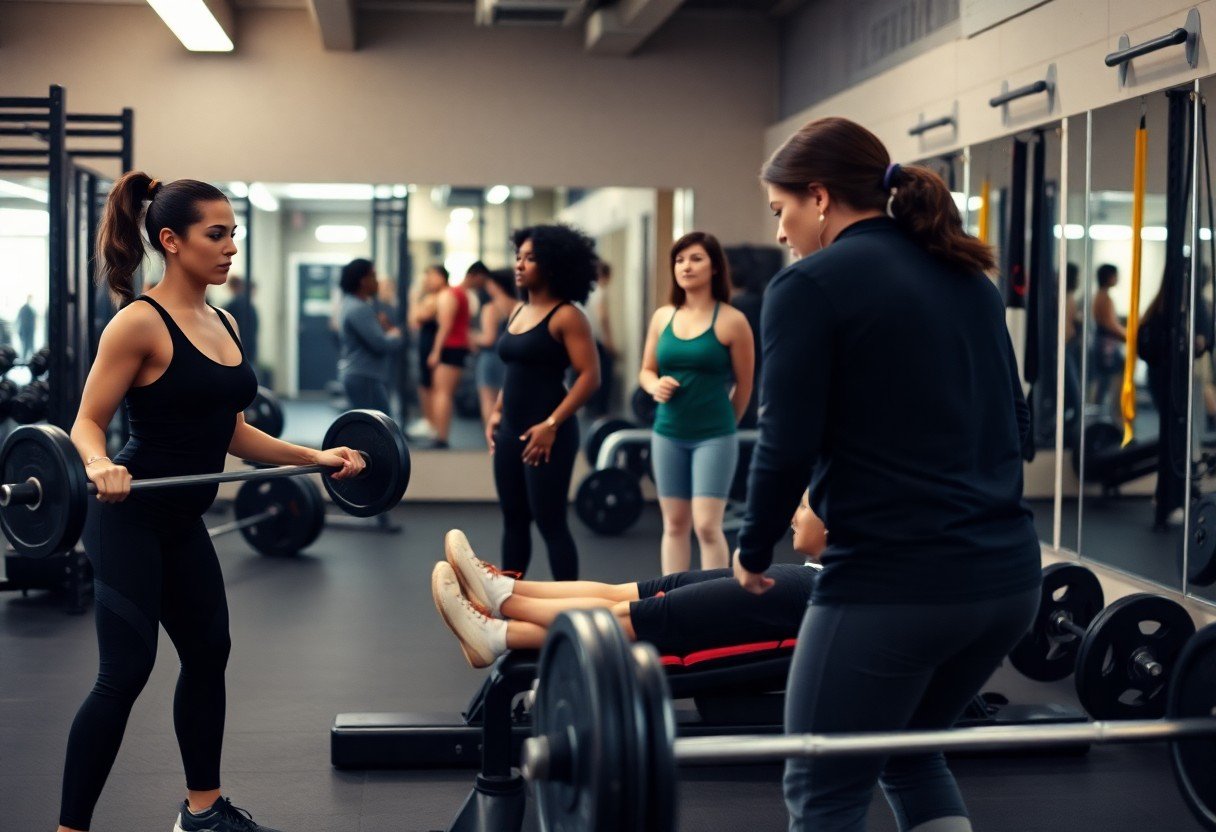
Your confidence can greatly affect your gym experience. Start by familiarizing yourself with the gym layout and equipment during off-peak hours, so that you feel more at ease when busy. You can also invite a workout buddy or hire a personal trainer for guidance. The more comfortable you become with your surroundings, the more empowered you’ll feel to tackle your workouts.
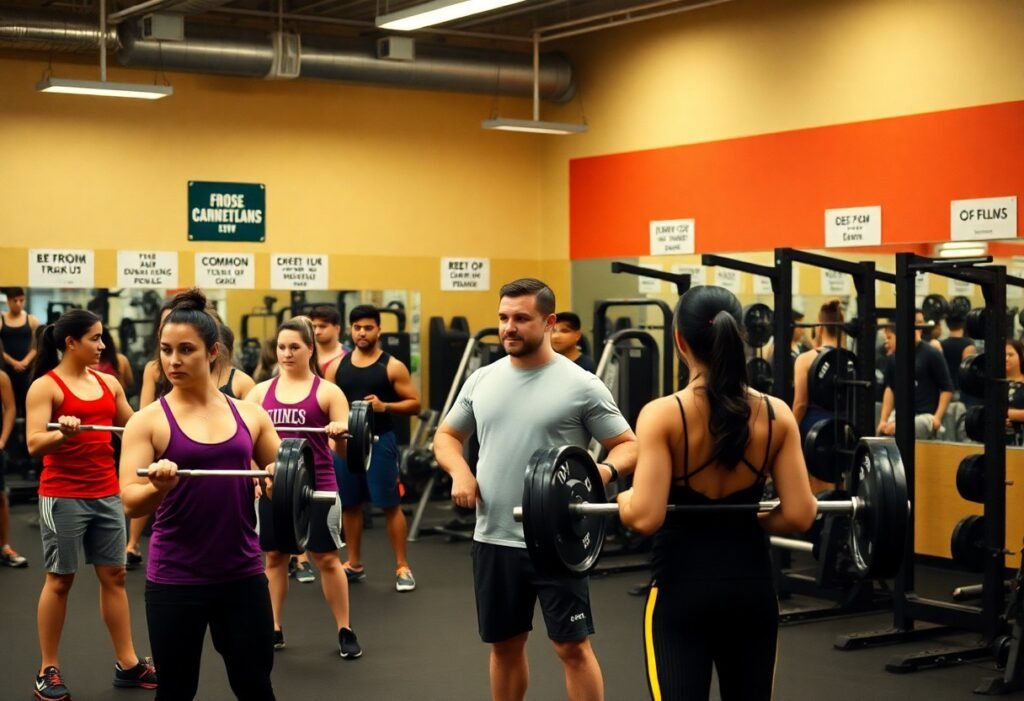
Building confidence in a gym environment is about creating a supportive atmosphere for yourself. Set achievable goals and track your progress to visually affirm your strength journey. Consider joining group classes tailored for women, where you can engage with others facing similar challenges. Celebrating small victories along the way can bolster your self-esteem, making the gym a space where you thrive.
Addressing Myths and Misconceptions about Women in Strength Training
Many women avoid strength training due to the myth that it will make them overly muscular. In reality, women have less testosterone, making it difficult to gain mass quickly. Instead, strength training promotes a toned appearance, boosts metabolism, and improves overall body composition, empowering you physically and mentally.
Addressing myths surrounding women in strength training involves dispelling the fears and misconceptions that may deter you from pursuing your goals. For instance, lifting heavy weights won’t transform you into a “bulky” figure. Studies show that strength training increases lean muscle while reducing fat, enhancing your physique positively. Additionally, strength training improves functional fitness, making daily activities easier and promoting long-term health benefits.
The Role of Community and Support
Finding the Right Fitness Community
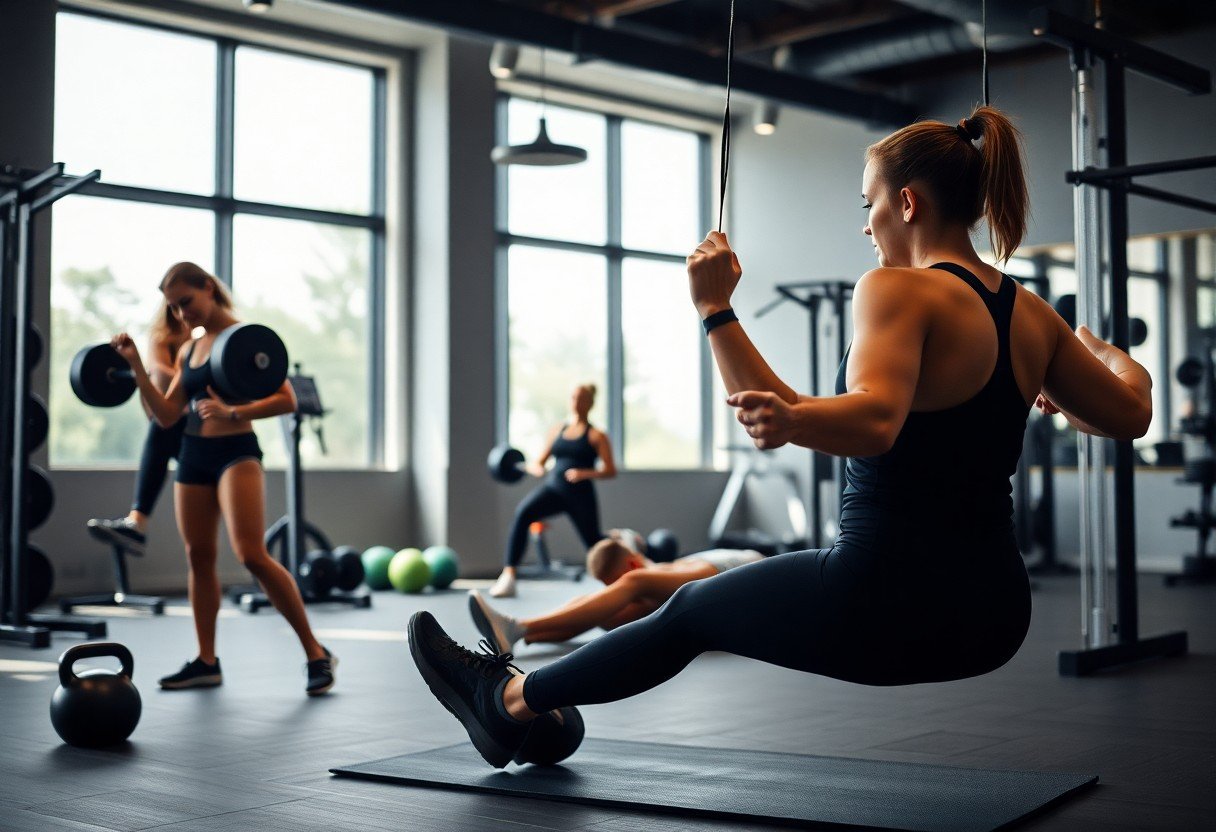
Joining a supportive fitness community can significantly enhance your journey towards strength goals. Look for local gyms, clubs, or classes that prioritize inclusivity and camaraderie. Participating in group workouts not only motivates you but also fosters connections with others who share your aspirations. Engaging with fellow members can provide accountability and encouragement, making your training experience more enjoyable and effective.
Importance of Female Empowerment in Fitness
Empowerment among women in fitness leads to increased confidence, motivation, and overall well-being. By encouraging each other’s strength journeys, you create an atmosphere where women can thrive and embrace their physical capabilities. Moreover, when women celebrate their achievements, it promotes a culture of support that extends beyond the gym.
Female empowerment in fitness is about challenging stereotypes and showcasing that strength comes in various forms. By lifting one another up, you dismantle societal norms that often downplay women’s fitness potential. This practice not only inspires personal growth but also generates a ripple effect, encouraging more women to engage in strength training and pursue their fitness dreams unapologetically.
Utilizing Online Resources and Social Media
Online platforms can be invaluable for finding tips, motivation, and community support in your fitness journey. Use social media to connect with fitness influencers who specialize in women’s strength goals, follow workout tutorials, and share your progress. These resources help you stay informed about the latest trends and techniques in fitness, keeping your routine fresh and engaging.
Embracing online resources means you can access a wealth of information from a global pool of fitness enthusiasts and professionals. Platforms like Instagram or YouTube offer tutorial videos, success stories, and fitness challenges tailored specifically for women, allowing you to learn from various perspectives and experiences. Engaging with these communities can help you cultivate valuable support networks that extend beyond your local area, enriching your fitness journey.
Summing up
To wrap up, focusing on compound movements such as squats, deadlifts, and bench presses will help you build foundational strength. Incorporating a balance of resistance training and cardiovascular exercise tailored to your goals is crucial for optimal results. Aim for progressive overload in your workouts and ensure adequate recovery through rest and nutrition to support your journey. By fine-tuning your routine to suit your body and aspirations, you can effectively achieve your strength goals while enjoying the process.
FAQ
Q: What are the best exercises for women aiming for strength goals?
A: Compound exercises such as squats, deadlifts, bench presses, and overhead presses are highly effective. These movements engage multiple muscle groups, promoting overall strength development.
Q: How often should women train to achieve strength goals?
A: Training three to five times per week is typically effective. A well-structured program incorporating rest days allows for muscle recovery and growth.
Q: Should women lift heavy weights to build strength?
A: Yes, lifting heavy weights relative to individual capacity is beneficial. Using weights that challenge the muscles while maintaining proper form can lead to significant strength gains.
Q: Is it necessary to do cardio alongside strength training?
A: While not necessary, incorporating moderate cardio can enhance cardiovascular health and recovery. Balancing both can support overall fitness without hindering strength progress.
Q: How important is nutrition in achieving strength goals?
A: Nutrition plays a vital role. Consuming adequate protein, healthy fats, and carbohydrates supports muscle recovery and growth, making it necessary for strength training success.