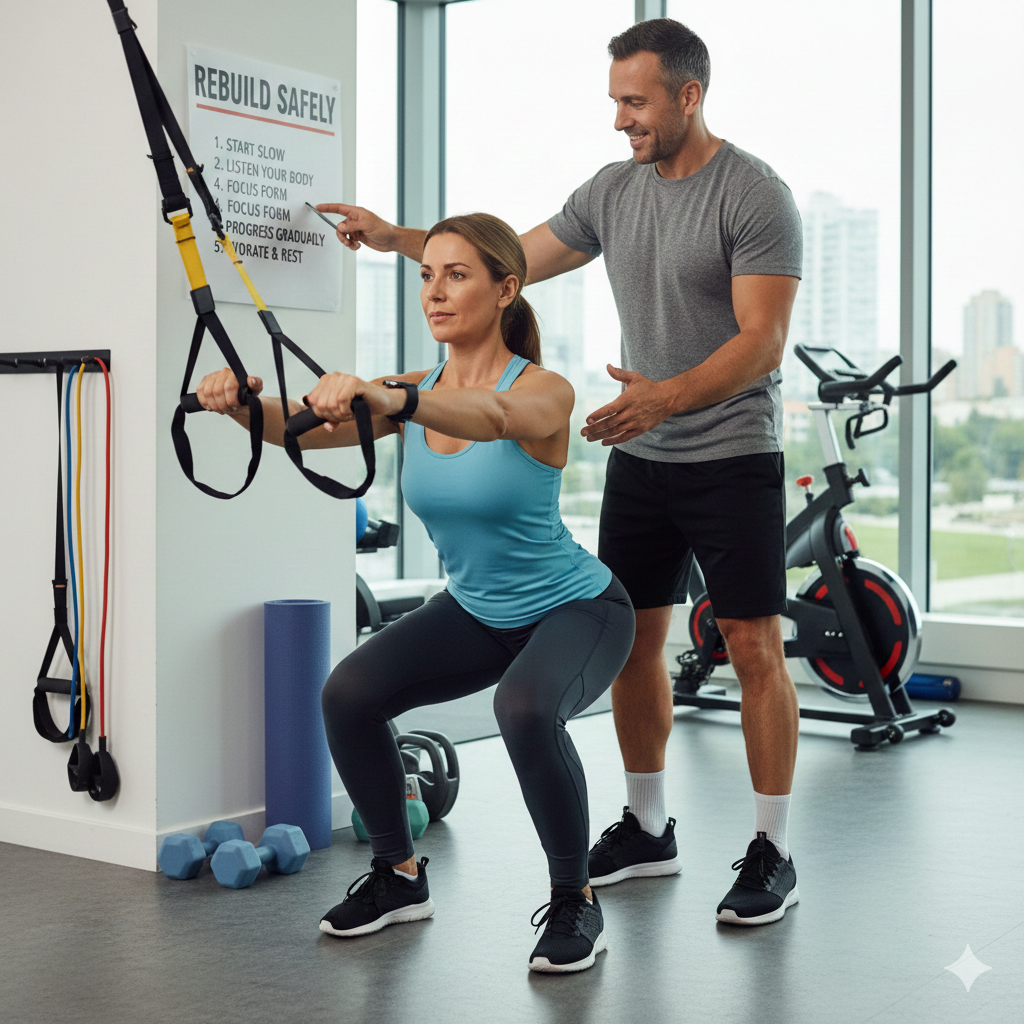


Over time, achieving your fitness goals can seem daunting, but with a well-structured approach, you can build strength effectively. This 4-day gym split is designed specifically for beginners, providing a balanced routine that minimizes overwhelm while maximizing results. You’ll engage all major muscle groups, ensuring a comprehensive workout without excessive fatigue. By following this program, you’ll establish a solid foundation, boosting your confidence and motivating you to progress further in your fitness journey.
Key Takeaways:
- Four-day split routine allows for focused strength training while providing adequate recovery time.
- Progressive overload is necessary for building strength; gradually increase weights or reps each week.
- Incorporate compound movements for efficient workouts that target multiple muscle groups simultaneously.

Understanding the 4-Day Gym Split
What is a Gym Split?
A gym split refers to dividing your workout sessions into different muscle groups or movement patterns across a set number of days. In a 4-day split, you might focus on upper body one day and lower body the next, optimizing your training regimen. This structuring allows you to concentrate on specific areas, enhancing strength development and performance without spreading your efforts too thin.
Benefits of a 4-Day Split
A 4-day gym split delivers several advantages, including improved muscle recovery, increased workout efficiency, and better focus on strength gains. This approach allows you to train each muscle group effectively while ensuring adequate rest between sessions, making your fitness journey manageable and productive.
With each muscle group being targeted only once or twice weekly, you maximize muscle recovery, which is crucial for growth and strength. This time-efficient routine often leads to better lifts and techniques, as you can devote more attention to your form. Additionally, training four days a week strikes a balance between intensity and recovery, making it easier for you to stick to your routine long-term.
Key Principles of Strength Training
Key principles of strength training include progressive overload, adequate rest, and specificity. To see continuous improvement, you need to gradually increase the weight or resistance in your workouts while ensuring your muscles have enough time to recover.
Progressive overload is the foundation of strength gains. It involves challenging your muscles by increasing weight, repetitions, or intensity over time. Adequate rest allows your body to repair and grow stronger, preventing burnout or injury. Finally, specificity means tailoring your workouts to your goals, so whether you’re aiming for hypertrophy or strength, your training aligns with what you want to achieve.
Essential Equipment and Gym Setup
Must-Have Equipment
To effectively execute a 4-day gym split, ensure you have crucial equipment like dumbbells, a barbell, resistance bands, and a bench. If your gym offers it, machines like the squat rack and cable machine are also invaluable for targeting specific muscle groups. Investing in a quality pair of weightlifting shoes and a sturdy mat can enhance your performance and safety as well.
Home Gym vs. Commercial Gym
Choosing between a home gym and a commercial gym can significantly impact your training experience. A home gym offers flexibility and convenience, allowing you to work out whenever you want, while a commercial gym provides access to a wider range of equipment and social interactions that might motivate you.
A home gym can save you time and commuting costs, making it ideal for those with busy schedules. However, a commercial gym typically has specialized equipment and a supportive community. If you’re starting your fitness journey, consider factors like available space, budget, and personal motivation to determine which setting aligns with your goals.
Setting Up Your Workout Space
Creating an effective workout space is crucial for maximizing your gym experience, whether at home or in a commercial setup. Ensure you have enough room to move freely and that your equipment is easily accessible to streamline your workouts. Good lighting and ventilation also contribute to a motivating atmosphere.
When setting up your space, organize equipment logically to minimize time spent searching for items. Incorporate mirrors, if possible, to help with form checks and motivation. Personal touches, like inspirational quotes or a dedicated playlist, can create an environment that enhances your commitment and enjoyment of your workouts.
Designing Your 4-Day Workout Plan
A Balanced Approach: Push, Pull, Legs
A balanced workout plan incorporates a push, pull, and legs strategy that targets major muscle groups efficiently. By concentrating on pushing movements (e.g., bench press), pulling movements (e.g., rows), and leg exercises (e.g., squats), you maximize your strength gains while allowing adequate recovery time. This split not only enhances your overall performance but also keeps your training varied and engaging.
Sample Weekly Schedule
Your ideal week might look like this: Day 1 – Push, Day 2 – Pull, Day 3 – Legs, followed by a rest day, then repeat. This schedule allows for proper recovery between muscle groups, which is key to building strength effectively without overwhelming yourself.
Customizing Your Plan for Your Goals
To tailor your 4-day gym split, consider whether you want to prioritize muscle mass, strength, or endurance. If hypertrophy is your goal, you may incorporate higher repetitions and lighter weights. Conversely, for strength building, aim for lower repetitions and heavier loads.
In customizing your plan, assess your current fitness level and the equipment available. You could choose different exercises within the same muscle groups or adjust rest intervals, making it fit your specific goals. For example, integrating compound movements, such as deadlifts and squats, can improve strength significantly while supporting your desired focus on endurance or muscle growth.
Day-by-Day Breakdown of Exercises
Day 1: Push Day
On Push Day, you focus on exercises that strengthen your chest, shoulders, and triceps. Key movements include the bench press, overhead press, and tricep dips. Aim for 3-4 sets of 8-12 reps for each exercise to build muscle and improve form while prioritizing quality over quantity.
Day 2: Pull Day
Pull Day emphasizes your back, biceps, and forearms through exercises such as deadlifts, pull-ups, and bent-over rows. This variety ensures comprehensive strength development across these key muscle groups, with a target of 3-4 sets of 6-10 reps each.
Focusing on your back muscles not only enhances strength but also improves posture. Incorporate different grips and angles in your exercises to stimulate muscle growth effectively. Aim to progressively increase weights while maintaining proper form, which will yield significant results in your pull strength.
Day 3: Leg Day
Leg Day is designed to develop your quadriceps, hamstrings, calves, and glutes. Primary exercises include squats, lunges, and calf raises, typically performed in 3-4 sets of 8-12 reps. Prioritize lower body strength to support overall functional fitness.
Leg Day offers immense benefits, as strong legs enhance performance in various physical activities. Incorporating both compound movements and isolation exercises ensures balanced development. Don’t shy away from testing your limits; gradually increase the weights or intensity to stimulate further muscle adaptation.
Day 4: Full Body
The Full Body day combines movements from all previous days, targeting every major muscle group. Exercises like the squat press, kettlebell swings, and burpees engage multiple muscles simultaneously, usually in 3-4 sets of 10-15 reps, promoting overall functional strength.
Utilizing a Full Body workout not only saves time but also enhances calorie burn, making it a fantastic choice for those with busy schedules. This day allows you to assess your progress across all muscle groups, ensuring a balanced workout routine that supports muscle growth and endurance. Consider including exercises that challenge your core for added stability training.

Recovery and Nutrition
Importance of Recovery
Recovery is vital for your progress and well-being. It allows your muscles to repair and grow stronger after workouts, reducing the risk of injury and fatigue. Ensuring adequate rest also supports hormonal balance, which can enhance your performance during subsequent training sessions.
Nutrition Guidelines for Strength Building
Fueling your body with the right nutrients is fundamental for strength building. Aim for a balanced diet that includes ample protein, healthy fats, and complex carbohydrates. Consuming a meal rich in protein and carbohydrates about an hour post-workout can enhance recovery and muscle gains.
Supplements: Are They Necessary?
Supplements can support your fitness journey, but they’re not always necessary. Prioritize a balanced diet to meet your nutritional needs before considering supplements. If your diet falls short, options like protein powders or creatine can help bridge gaps in your nutrient intake.
If you choose to incorporate supplements, be discerning. Research their efficacy and consult a healthcare professional, as not all products are effective or appropriate for your goals. A focus on whole foods remains the best foundation for sustainable performance and health.

Tracking Progress and Adjustments
Measuring Strength Gains
To effectively track your strength gains, you should regularly record your workouts, noting the weights used, the number of sets, and reps performed. This helps you visualize your progress and identify when to increase the load. Utilize tools such as apps or journals; consistency is key. Aim to incrementally raise your weights or reps every few weeks. For additional insights, check out this 4-Day Full-Body Workout Routine for Muscle Growth and Strength.
When and How to Adjust Your Routine
Adjust your routine every 4 to 6 weeks based on how your body responds to your workouts. If you find certain exercises becoming too easy, it’s time to increase resistance or introduce variations. Incorporating different exercises can stimulate new muscle growth and prevent plateaus.
Setting Realistic Goals
Your goals should be tangible and achievable, such as increasing your deadlift by 10 pounds or completing an additional set of each exercise by a set date. This helps maintain motivation and ensures steady progress throughout your fitness journey.
When setting realistic goals, consider your current fitness level, schedule, and lifestyle factors. Instead of aiming for rapid changes, focus on small, manageable milestones. For example, if you’re currently lifting 100 pounds, aim for 105 pounds over 4 weeks rather than doubling your weight. This progressive approach helps build both strength and confidence.
Conclusion
Following this Beginner’s 4-Day Gym Split, you can effectively build strength without feeling overwhelmed. By adhering to a structured routine, you’ll engage different muscle groups, allowing for recovery and optimal growth. Focus on your form and incremental progress to ensure long-term success. This balanced approach not only fosters physical development but also instills confidence in your fitness journey. Commit to your plan, and you’ll see the rewards in due time.
FAQ
Q: What is a 4-day gym split?
A: A 4-day gym split is a workout routine that divides training into four specific days, each focusing on different muscle groups or types of exercises. This allows for targeted strength building while providing adequate recovery time for each muscle group.
Q: How does this program help beginners build strength?
A: The program is designed with foundational exercises that emphasize proper form and technique. By gradually increasing weight and intensity over time, beginners can effectively build strength without feeling overwhelmed by complex routines.
Q: What muscles are targeted in a typical 4-day split?
A: A typical 4-day split may include days focused on upper body, lower body, push (chest, shoulders, triceps), and pull (back, biceps). This structure ensures balanced development across all major muscle groups.
Q: How long should each workout session last?
A: Each workout session should ideally last between 45 to 75 minutes. This duration allows sufficient time for warm-up, strength training, and cool-down while keeping the sessions focused and efficient.
Q: Is it necessary to use supplements while following this program?
A: Supplements are not necessary for beginners. A well-balanced diet with adequate protein, carbohydrates, and fats typically provides sufficient nutrition to support strength training and overall health.