
There’s a way for you to fit fitness into your hectic schedule without sacrificing your health. By engaging in efficient 30-minute gym sessions, you can achieve substantial results in strength and endurance, making it ideal for your busy lifestyle. This guide will help you design a routine that maximizes your workouts, leaving you feeling energized and productive throughout your day. Prioritize your well-being with a strategy that works, even when time is limited.
Key Takeaways:
- Focus on high-intensity interval training (HIIT) to maximize calorie burn in a short time.
- Incorporate compound exercises to engage multiple muscle groups efficiently.
- Plan workouts ahead of time to ensure consistent scheduling and commitment.

Understanding the Busy Professional
The Challenge of Time Management
As a busy professional, balancing work responsibilities and personal commitments can feel overwhelming. Often, your schedule leaves little room for consistent exercise, resulting in prolonged periods of inactivity. Time management becomes vital; finding those precious 30-minute windows throughout your day can drastically impact your health and well-being.
Importance of Physical Fitness
Physical fitness is pivotal for enhancing your energy levels and productivity. Regular exercise helps you maintain a healthy weight, reduces the risk of chronic diseases, and improves overall physical resilience. Allocating just 30 minutes multiple times a week can lead to significant gains in your fitness journey.
Incorporating physical fitness into your routine not only aids in keeping you in shape but also enhances your performance at work. Research shows that individuals who exercise regularly experience greater focus and efficiency in their daily tasks, often making them more adaptable to stressful situations and demanding workloads.
Mental Health Benefits of Exercise
Engaging in regular physical activity provides substantial mental health benefits, contributing to a reduction in stress and anxiety levels. Exercise releases endorphins, which can elevate your mood and improve your emotional resilience against workplace pressures.
Numerous studies indicate that exercising for just 30 minutes can significantly decrease symptoms of depression and anxiety. By making time for physical fitness, you gain not only a stronger body but also a more balanced mind, enabling you to tackle challenges with confidence. Prioritizing your mental health through exercise can transform your professional and personal life, leading to more fulfilling experiences.
Key Principles of an Effective Gym Routine
Incorporating High-Intensity Interval Training (HIIT)
Incorporating high-intensity interval training (HIIT) into your routine allows you to achieve maximum results in minimal time. These short bursts of intense exercise followed by brief rest periods elevate your heart rate, increase calorie burn, and improve cardiovascular health. Just 20-30 minutes of HIIT can be as effective as longer sessions of traditional cardio, making it ideal for busy professionals. Aim for workouts 2-3 times a week to reap significant benefits.
Strength Training Essentials
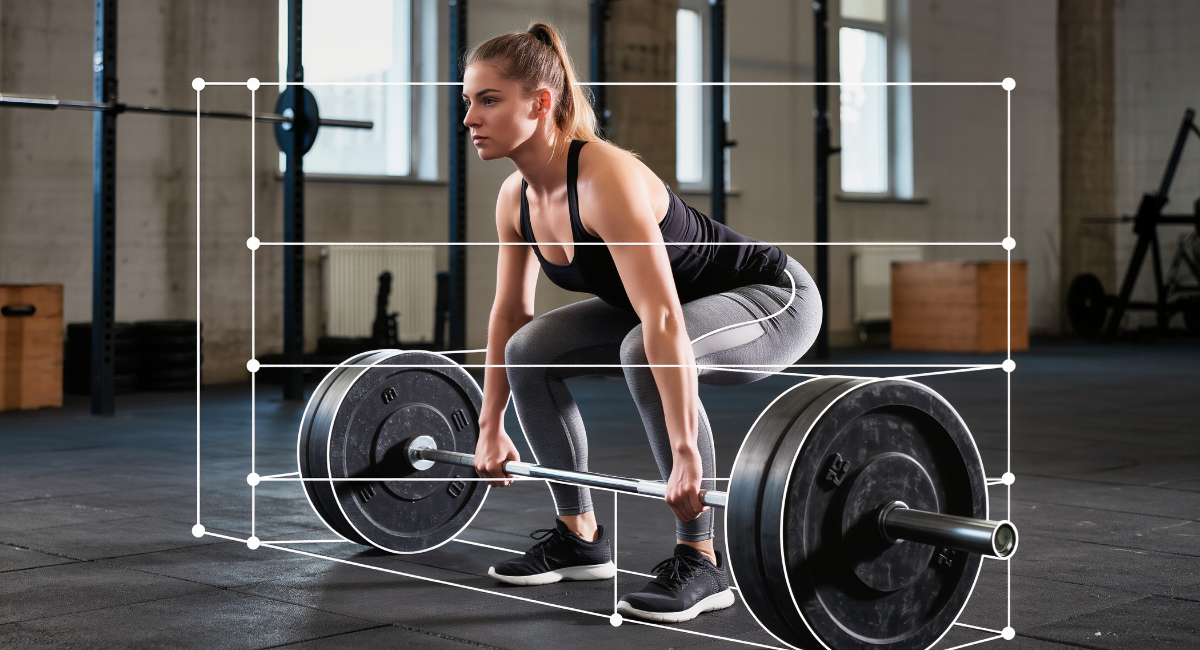
Strength training plays a vital role in building muscle, increasing metabolism, and enhancing overall fitness. You should focus on compound exercises that engage multiple muscle groups simultaneously, such as squats, deadlifts, and bench presses. Performing these movements efficiently requires less time while delivering optimal results. Aim for two to three strength training sessions weekly to enhance your muscle mass and strength.
When focusing on strength training, consider using a combination of free weights and resistance machines to diversify your workout. Aim for 6-12 repetitions per set to promote muscle growth, and include a variety of exercises to target different areas of your body. This balanced approach ensures you maximize your time spent in the gym while promoting overall strength and stability.
Balancing Cardio and Weight Training
Balancing cardio and weight training is necessary to achieve your fitness goals while accommodating a busy lifestyle. Integrating both forms of exercise not only enhances cardiovascular health but also builds muscle strength, providing better overall fitness. You should design your routine with a mix of both, aiming for 2-3 sessions of each per week to optimize the benefits.
Successful balance means alternating your focus between cardio and weight training throughout the week. For instance, you might dedicate specific days to HIIT for cardio and include strength training exercises on alternate days. This allows you to recover while ensuring that both metabolic and muscular fitness components are addressed, ultimately leading to a well-rounded and efficient gym routine.
Designing a 30-Minute Workout Plan
Warm-Up Techniques
Start your workout with a dynamic warm-up to prepare your muscles and joints. This can include movements like arm circles, leg swings, and torso twists for about 5 minutes. Aim for a mix of mobility exercises and light aerobic activity, such as jogging in place or jumping jacks, to elevate your heart rate and increase blood flow. A good warm-up helps reduce the risk of injury and enhances your overall performance.
Sample HIIT Routine
A sample HIIT routine includes intervals of high-intensity exercises followed by short rest periods. For instance, alternate between 30 seconds of burpees and 30 seconds of rest, then switch to high knees for another 30 seconds, followed by a 30-second rest. Perform this for a total of 15-20 minutes to maximize calorie burn and build endurance.
Include at least 4-5 exercises, such as squat jumps, mountain climbers, and push-ups, performing each for 30 seconds, followed by 15 seconds of rest. This method not only saves time but also boosts metabolism and improves cardiovascular health significantly. You can adjust the intensity and duration as needed for your fitness level.
Full-Body Strength Training Circuit
Incorporate a full-body strength training circuit to build muscle and improve functional strength. You can use bodyweight exercises or incorporate weights, focusing on moves like squats, lunges, push-ups, and rows. Aim for 3 sets of 10-15 repetitions for each exercise, resting minimally between sets.
This circuit should target all major muscle groups efficiently. For example, pairing compound movements like deadlifts with push-ups enables you to engage multiple muscle groups simultaneously, maximally increasing the effectiveness of your 30-minute workout. Adjust the weights to match your fitness level while maintaining proper form.
Cool Down and Stretching
Finish your session with a 5-minute cool down, consisting of light movements and static stretching to promote recovery. Focus on stretching major muscle groups like hamstrings, quadriceps, and shoulders, holding each stretch for about 20-30 seconds. This helps in preventing stiffness and enhances flexibility over time.
Incorporating a proper cool down can greatly reduce muscle soreness, improve overall flexibility, and aid in your body’s recovery process. Consider gentle stretches like the cat-cow pose or child’s pose, which can help relax your muscles after a high-intensity workout and bring your heart rate back to normal.

Nutrition for Busy Professionals
Pre-Workout Fuel
Before heading to the gym, ensure your body has enough energy by consuming a balanced meal or snack rich in complex carbohydrates and lean protein. A banana with nut butter or a small smoothie with spinach, protein powder, and oats can provide the necessary fuel. Aim to eat about 30-60 minutes prior to your session for optimal performance.
Post-Workout Recovery Meals
After your workout, focus on replenishing your energy levels and aiding muscle recovery. A meal combining protein and carbs-such as a grilled chicken salad with quinoa or a protein shake with fruit-will help your body repair and refuel efficiently.
Consider timing your post-workout recovery meal within 30 minutes after exercising. Your muscles are most receptive to nutrients during this period, so a combination of fast-digesting protein and carbohydrates is ideal. Options like Greek yogurt with berries or a turkey wrap can support muscle growth and restore glycogen levels.
Quick and Healthy Snack Ideas
In your busy schedule, having quick and nutritious snacks on hand can maintain your energy and curb hunger. Choose snacks that are rich in protein and healthy fats, such as almonds, hard-boiled eggs, or cottage cheese with fruit.
Effective snack options can include protein bars or hummus with veggies. Preparing snacks in advance will save time and ensure you have convenient, healthy choices throughout your workday. Consider portioning snacks into grab-and-go bags to simplify your eating during busy moments. For more details, check out 30 Minute Workout Programs for Busy Clients.
Creating a Consistent Workout Schedule
Best Times to Work Out
The best times to work out generally depend on your personal schedule and energy levels. Morning workouts set a productive tone for the day, allowing you to cross one priority off your list early. Conversely, evening sessions can serve as a way to unwind after work. Identify times that align with your routine, ensuring that you carve out 30-minute sessions that fit comfortably into your day.
Tips for Staying Motivated
To stay motivated, set specific, achievable goals that keep you focused and excited. Consider joining a fitness community or finding a workout buddy for added accountability and encouragement. You can also track your progress using apps or journals, celebrating your milestones to reinforce your commitment. Include variety in your workouts to avoid boredom. This can help maintain your enthusiasm for fitness.
- Set achievable fitness goals.
- Join a supportive fitness community.
- Track your progress to recognize milestones.
- Incorporate variety into your workouts.
Consider rewarding yourself for reaching goals, whether it’s new workout gear or a relaxing massage. Additionally, engage with motivational content, like podcasts or social media, focusing on fitness journeys that resonate with you. This can boost your enthusiasm and inspire you to adhere to your fitness routine.
- Reward yourself for achievements.
- Engage with motivational content.
- Find inspiration in others’ fitness journeys.
- Stay flexible with your goals as needed.
Adjusting Your Routine for Travel
When traveling, it’s vital to adapt your routine to maintain consistency. Utilize hotel gyms, outdoor spaces, or even your own room for bodyweight exercises. Having a portable workout plan, consisting of quick sessions, can help keep you on track while away from home. Consider functional movements that require minimal equipment and can be performed anywhere.
Plan ahead by researching local gyms or parks near your travel destination to determine available resources. Prepare an effective bodyweight workout that can be done in any setting, focusing on crucial movements that keep your routine intact. This allows you to stay dedicated to your fitness goals regardless of your travel commitments.
Overcoming Common Barriers to Exercise
Dealing with Low Energy Levels
When you feel low on energy, approaching your workout can seem daunting. Combat this by incorporating short bursts of physical activity throughout your day, like brisk walking during breaks. Additionally, hydrating and maintaining balanced nutrition can significantly boost energy levels, making it easier to commit to even a 30-minute workout session.
Navigating Work-Life Balance
Balancing the demands of work and personal life often feels overwhelming, but integrating exercise into your schedule doesn’t have to be a struggle. Prioritize your health by setting clear boundaries; allocate specific times for workouts just as you would for meetings. Short, intense sessions can be just as effective, allowing you to maximize your time without compromising your professional responsibilities.
Finding Support and Accountability
Establishing a support system can significantly enhance your commitment to regular exercise. Whether it’s a workout buddy or a fitness app, having someone to share your goals with makes it easier to stay accountable. Consider joining community classes or fitness groups where shared objectives foster motivation and consistency.
Finding support and accountability transforms your exercise routine into a collective effort, making it less isolated and more engaging. If you’re more inclined to skip a workout alone, having a partner can encourage you to show up, even when motivation wanes. Leverage social platforms to join challenges or share your progress, creating a network geared towards maintaining a healthy lifestyle together.
To wrap up
To wrap up, adopting a 30-minute gym routine is a highly effective strategy for busy professionals like you. By focusing on intensity and efficiency, you can maximize your workouts and achieve your fitness goals without significant time commitment. Incorporating strength training, high-intensity interval training, and flexibility exercises into your sessions ensures that you stay balanced and healthy. Prioritize consistency and tailor your routine to fit your lifestyle, so you can maintain a sustainable approach to fitness even amidst your hectic schedule.
FAQ
Q: What is a 30-minute gym routine for busy professionals?
A: A 30-minute gym routine for busy professionals focuses on maximizing efficiency by combining strength training and cardiovascular exercises. It includes high-intensity intervals, full-body workouts, and compound exercises to achieve fitness goals in a short time frame.
Q: How often should I work out if I have a busy schedule?
A: Aim for at least three to five 30-minute workout sessions per week. This frequency allows for muscle recovery while ensuring consistent progress toward fitness goals.
Q: What types of exercises should I include in a 30-minute routine?
A: Include a mix of strength training, such as squats, push-ups, and dumbbell exercises, along with cardio components like jumping jacks or cycling. High-intensity interval training (HIIT) can also be effective for maximizing calorie burn.
Q: Can I achieve weight loss with a 30-minute gym routine?
A: Yes, a well-structured 30-minute gym routine can contribute to weight loss when combined with a balanced diet. Focus on high-intensity workouts and maintain a calorie deficit for effective results.
Q: How do I stay motivated to stick to a gym routine?
A: Set specific, achievable goals, track your progress, and create a workout schedule. Join group classes or find a workout buddy to enhance accountability and make exercising more enjoyable.