

Health changes start with tiny, consistent actions you can do in ten minutes; this list gives practical, evidence-based habits to improve energy, mood, and resilience so you can build lasting change. Neglecting movement and sleep increases risk of chronic conditions, while daily 10-minute routines for stretching, deep breathing, and hydration quickly lower stress and boost energy to protect your long-term wellbeing.
Key Takeaways:
- Ten-minute daily habits-brief movement, breathing, or hydration-compound into improved fitness, energy, and mood.
- Attach tiny habits to existing routines and keep them specific and simple to boost consistency (e.g., 5-minute walk after lunch, 2-minute stretch on waking).
- Track small wins, increase intensity gradually, and focus on one habit at a time to make change sustainable.
Drink a glass of water
You can transform your day by drinking a full glass of water; one full glass (about 250-350 ml) jumpstarts digestion and energy, and improves focus and skin hydration. Even mild fluid loss matters-mild dehydration impairs cognition and physical performance-so make this tiny habit your simple daily reset.
First thing in morning
When you wake, drink a glass to rehydrate after sleep; hydrating upon waking eases morning grogginess, supports your metabolism, and helps clear overnight waste. This small action reduces the chance of morning headaches and low blood pressure and sets a positive pattern for other healthy choices.
Hydration throughout the day
Sip water regularly rather than gulping, pairing each sip with a habit like answering emails or after bathroom breaks; consistent sipping prevents dips in energy and concentration and avoids becoming dehydrated. Use a visible bottle or set gentle reminders so hydration becomes automatic and effortless.
Practical tips: track your urine color as an easy gauge-pale straw color is ideal-carry a refillable bottle, and flavor water with citrus or herbs to increase intake. Avoid sugary drinks and be aware that excessive intake during endurance activity can cause hyponatremia; if you have medical conditions, check fluid targets with your clinician.
Take a short walk
A 10-minute walk each day boosts your circulation, sharpens your focus, and lifts your mood quickly; because prolonged sitting increases your risk of chronic disease, this tiny habit protects your long-term health and fits into almost any schedule.
Around the block
A brisk loop around the block gives you a quick cardiovascular stimulus, aids digestion after meals, and resets posture; aim for a pace that raises your breathing so you get meaningful movement without much time, and avoid slouching to prevent spinal strain.
During work breaks
Use your work breaks to walk for 10 minutes to break up sitting, clear mental clutter, and return to tasks with better focus; stepping away from screens lowers eye strain and reduces your back pain, while short bursts of movement counter the harms of long immobility.
Schedule two or three mini-walks into your day: set a timer for mid-morning and mid-afternoon, try a walking meeting when appropriate, and add gentle stretches for hips and shoulders; if you walk near traffic, keep to sidewalks and wear reflective gear since visibility and vehicle speed are dangerous factors, so prioritize safer routes that restore your energy.
Practice deep breathing
You can reduce stress and sharpen focus in minutes by practicing deep, diaphragmatic breaths; sit upright, inhale slowly through your nose for four counts, let your belly expand, then exhale for six. This simple habit lowers cortisol and calms your nervous system. If you have asthma, COPD, or heart conditions, consult a clinician before trying prolonged breath work.
Five deep breaths
When tension spikes, you can pause and take five deliberate deep breaths: inhale for four, pause one, exhale for six, repeat five times. Five breaths reset your autonomic response and restore clarity. If you feel lightheaded or short of breath, stop; over-breathing can cause dizziness.
Daily mindfulness moment
Each day, set aside one minute to focus on your breath: notice sensations, count breaths, and let thoughts pass without judgment. Consistent micro-practice strengthens your attention and reduces reactivity, producing cumulative mental health benefits.
To deepen the moment, you can pair breath awareness with a quick body scan from head to toes, noting tension and releasing it on each exhale; aim for consistency over length. If you feel anxious during practice, slow your exhale and keep breaths gentle; gentle, regular practice is safer and more effective than sporadic intense sessions.
Stretch for five minutes
Spend five minutes stretching to unlock tight muscles and set a healthy tone. When you stretch, focus on slow, controlled movements that reduce stiffness and improve mobility. Keep it brief-five minutes-and avoid bouncing or forcing a stretch; stop if you feel sharp pain to prevent injury.
Morning or evening routine
Use your five-minute stretch as a morning wake-up to increase circulation or an evening cooldown to ease tension. You choose movements to suit the time: gentle dynamic flows for mornings, slower static holds before bed. Breathe steadily, move within comfort, and do this daily to build a lasting habit.
Enhance flexibility and circulation
Combining dynamic stretches and short static holds helps you increase blood flow and gradually improve flexibility. Aim to hold each static stretch for about 20-30 seconds, and pair stretches with deep exhales to maximize circulation. Never force your range; excessive strain raises risk of injury.
Start with full-body moves-neck rolls, shoulder openers, hamstring reaches-to cover major areas in minutes. Progress gradually: increase range or reps as you feel safer, and modify stretches for tight spots. Pair movement with steady breathing, and if you have persistent pain or past injuries, consult a healthcare professional before advancing.
Write a daily gratitude list
Writing a daily gratitude list takes ten minutes and anchors your day; you jot three to five things you value, which trains attention toward positives and reduces stress. By practicing daily you build resilience, better sleep, and more clarity; make entries specific and sensory so the effect deepens. Be aware that forcing entries or comparing your list to others can make gratitude feel hollow; treat that as a warning and keep it honest. Spend ten focused minutes to shift perspective; this small habit yields measurable mood and health gains.
Three things you appreciate
Each morning write three things you appreciate-one personal win, one sensory detail, one relationship or resource. Specific entries like “warm coffee on the balcony” anchor memory better than vague phrases. Keep it brief and consistent; the simplicity is the power. Noting three concrete positives each day trains your brain to spot opportunities and lowers reactivity to stress. Avoid comparing lists to others; that undermines the habit.
Positive mindset boost
A daily gratitude list produces an immediate mood lift and slowly rewires thought patterns toward optimism. When you focus on what went well, you increase dopamine and strengthen neural pathways for noticing good. Short, regular practice multiplies benefits: better focus, reduced anxiety, and stronger relationships. Don’t skip days – inconsistency blunts the effect.
Neuroscience shows gratitude activates brain regions tied to reward and social bonding; over weeks your attentional bias shifts toward positives through neuroplasticity. Keep entries concrete, spaced daily, and pair the list with deep breaths to amplify impact. Even five minutes every day changes how you interpret setbacks and reduces rumination; consistency is more powerful than length. Watch for mechanical repetition-if entries become rote, vary prompts to maintain sincere engagement.
Meditate for a few minutes
You can reset your nervous system in as little as five minutes by sitting quietly and focusing inward; the most effective habit is consistency, not perfection. Short daily practice reduces stress and sharpens focus, but be aware it can sometimes unearth intense emotions-stop and breathe or seek support if that happens.
Focus on your breath
Anchor your attention to the rise and fall of your breath for two to five minutes: count inhales and exhales or label them “in” and “out.” The most important cue is gentle attention, not force; regular practice improves concentration. If you feel lightheaded, slow your breathing and pause to avoid dizziness.
Reduce stress levels
Short meditations activate the body’s relaxation response, lowering heart rate and easing muscle tension; you’ll often notice immediate calm after a few minutes. Make it a mini-break during the day so the benefit accumulates, but if meditation triggers panic or traumatic memories, take a break and seek help-this can be dangerous for some.
Use simple techniques-box breathing (4-4-4-4), guided audio, or progressive muscle relaxation-to deepen the stress reduction; the positive effect builds with daily repetition. Set a timer, create a quiet cue, and track small wins. If meditation consistently destabilizes you, stop and consult a professional because confronting trauma without support can be harmful.

Prepare healthy snacks
You can transform your day by prepping simple, nutrient-dense snacks in minutes: portion nuts, cut produce, and pack yogurt or hummus into containers so you reach for real food. Portion control helps manage calories, and keeping items prepped reduces impulse junk-food binges. Always wash and dry produce, then refrigerate to avoid bacterial growth.
Slice fruits or veggies
Slicing fruits and vegetables into uniform, bite-sized pieces makes them irresistible and easy to eat on the go; you’ll snack more healthfully when convenience is on your side. Use a sharp knife, wash and dry thoroughly, and store in airtight containers so your produce stays crisp and ready. Bite-sized pieces increase intake of vitamins and fiber.
Keep them accessible
Place prepped snacks at eye level in the fridge or front of the pantry so you see them first; clear containers and single-serve bags make healthy choices the default. Visibility boosts healthy decisions, and separating treats out of sight helps you avoid temptation-also prevent cross-contamination by using clean utensils and surfaces.
Label containers with dates and use clear storage: chilled items for 3-5 days, harder produce may last longer. Pack a few grab-and-go portions for your bag or commute, and rotate stock so nothing sits too long; discard sliced produce after 3-5 days to minimize spoilage and foodborne risk.
Incorporate more movement
You can transform your health by adding short bursts of activity throughout the day: just 10 minutes of standing, walking, or simple exercises raises your energy, stabilizes blood sugar, and reduces the risks tied to prolonged sitting; prolonged sitting increases your risk of heart disease and metabolic issues. Build movement into routines like calls, breaks, or chores to make it effortless and sustainable.
Stand-up desk usage
You should alternate between sitting and standing at your desk: start with 10-15 minutes standing every hour and increase gradually. Standing can reduce back pain and boost calorie burn, but avoid standing nonstop since standing all day may strain your legs and lower back. Use a cushioned mat, a good chair, and alarms to balance posture and comfort.
Take stairs instead of elevator
Swap elevators for stairs when you can: climbing even a few flights gives a quick cardiovascular boost, strengthens legs, and burns calories-making it a high-impact 10-minute habit. If you have balance or knee problems, modify by taking fewer flights or pacing yourself; avoid rushing if you have joint pain.
To make stairs sustainable, start slow and build up-try one flight and add one more each week, use the railing, wear supportive shoes, and keep a steady pace. Focus on posture and breathe; take rest between flights if needed. If you have heart, lung, or severe joint issues, consult your clinician before increasing intensity. Regular stair use improves endurance and helps control blood sugar.
Limit screen time
You can reclaim hours and improve health by cutting back on screens. Excessive screen time drives sleep disruption, eye strain, and sedentary habits that increase risk of chronic disease. Set simple boundaries so your evenings and breaks are device-free, which boosts focus, mood, and rest. Small daily changes add up quickly.
Set daily limits
You should pick clear, achievable limits like a total screen quota or device-free hours. Use timers and app controls to enforce them, silence noncrucial notifications, and start by trimming just 10-20 minutes each day. This gradual approach prevents rebound and makes new habits sustainable while protecting your attention and sleep.
Engage in outdoor activities
Replace short chunks of screen time with outdoor movement: a 10-minute walk, stretching, or gardening. Sunshine enhances vitamin D and circadian rhythm, while fresh air and motion reduce stress and boost alertness. Prioritizing outdoor breaks is a simple, positive way to counter the harms of indoor screen habits and improve mood.
Make outdoor time intentional: leave your phone inside or on airplane mode, set a 10-minute timer, and focus on breathing and surroundings. Try brisk walking to raise heart rate or gentle stretches to ease tension. These short, device-free rituals lower stress, reduce blue light exposure, and improve sleep and energy.
Eat mindfully
You can transform your health by paying attention to meals for ten focused minutes: eat without screens, notice textures and fullness, and choose nutrient-rich bites. Mindful eating reduces overeating, improves digestion, and helps you make better food choices; by contrast, mindless meals increase risk of weight gain. Short daily practice yields clear, lasting benefits for energy and wellbeing.
Chew slowly and savor
You slow your pace by chewing thoroughly and savoring each bite, which gives hormones time to signal fullness and boosts nutrient absorption. Slower chewing increases satiety and reduces calorie intake, while rapid eating often leads to overeating. Aim for steady, intentional bites to make ten minutes per meal count.
Listen to your body
You tune into hunger and fullness cues by asking if you’re genuinely hungry or eating out of habit or stress. Responding to signals-start eating when mildly hungry and stop when comfortably satisfied-helps regulate intake; ignoring those cues can cause overeating or nutrient gaps. Prioritize internal guidance over external portion rules.
To sharpen this skill, pause mid-meal and rate your hunger on a 1-10 scale, drink a glass of water, and wait ten minutes before deciding on seconds; this pause helps separate real hunger from habit or emotion. Track patterns-time of day, stress, sleep-and adjust meals so your body gets regular fuel. Distinguishing emotional eating from true hunger is imperative for preventing overeating and builds a reliable, nourishing routine that supports weight and energy goals.

Swap a sweet treat
You can replace a sugary snack with a small, healthier option and still enjoy a treat; that tiny swap can reduce daily sugar and calorie intake, stabilize your energy, and lower evening cravings. Because added sugars drive weight gain and blood sugar spikes, making this change for 10 minutes a day yields outsized health benefits over weeks and months.
Choose fruit instead
You can choose fruit to satisfy sweet cravings: berries, apple slices, or a clementine provide fiber and vitamins along with natural sweetness. Pairing fruit with a handful of nuts or yogurt adds protein to keep you full longer. This simple habit gives a nutrient-dense, lower-calorie alternative that supports steady energy.
Reduce sugar intake
You can reduce sugar by swapping drinks for water, cutting back on desserts, and avoiding packaged snacks with hidden added sugars. Read labels for ingredients and serving sizes, gradually lower sweetness in recipes, and use spices like cinnamon or vanilla to boost flavor without sugar. These small steps lower your long-term risk of metabolic disease.
You can aim to keep free sugars under 25 grams (about 6 teaspoons) daily, following WHO guidance; even cutting to under 10% of calories helps. Track your intake for a week, replace sweetened beverages with unsweetened alternatives, choose plain dairy, and avoid “low-fat” products that add sugar-this approach reduces inflammation, weight gain, and diabetes risk.
Listen to educational podcasts
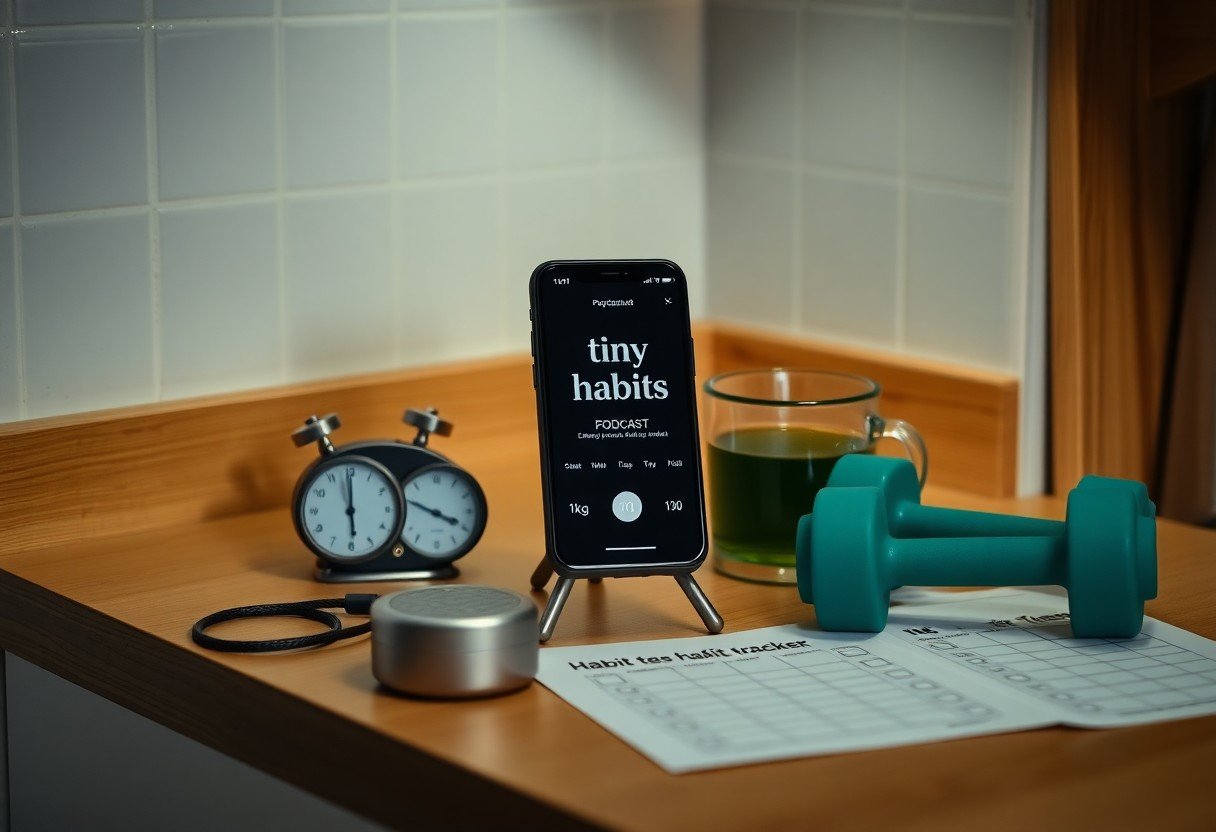
You can transform spare minutes into learning by listening to short educational podcasts; spend just ten minutes a day on focused episodes to reinforce healthy choices and skills. Use trusted sources such as 10 habits for good health – Harvard Health to vet content. Be alert to misinformation, prioritize consistency, and enjoy the positive gains in clarity and motivation.
During commutes
During commutes, you convert otherwise wasted time into deliberate learning-choose one podcast segment per ride and pause playback when attention is needed. If you drive, keep volume low and use hands-free controls to avoid dangerous distractions; if you walk or ride transit, use the moment to absorb practical tips that compound into better health.
Expand your knowledge
Pick topics that align with your goals and rotate subjects weekly so you build breadth without overload; short bursts of focused listening help you retain more and keep you motivated. Look for episodes that cite sources and practical steps you can apply immediately-this cultivates informed choices and steady progress.
To deepen your learning, create a short playlist you can finish in a week, take quick voice notes of actionable items, and schedule one follow-up action to test new ideas-this makes your progress measurable. Always fact-check claims against reputable sources to avoid dangerous misinformation, and celebrate small wins to sustain the positive habit loop.
Connect with a friend
Spending ten minutes connecting with a friend can lower your stress and boost mood, while protecting you from the health harms of isolation-loneliness raises risk for depression and heart problems. When you prioritize brief, consistent contact you build resilience and a support network that improves your daily health.
Short phone call
A ten-minute phone call gives an immediate mood lift: you can check in, share a laugh, or offer support. Keep the purpose simple and set a time limit to avoid emotional overwhelm; if a conversation becomes heavy, pause and reschedule. A quick call can reduce cortisol and increase connection, making your day healthier.
Strengthen social bonds
Use small rituals-weekly texts, a short playlist swap, or a five‑ to ten‑minute check‑in-to deepen relationships without large time investments. When you act consistently you signal reliability and build trust, which makes you more likely to receive support during stress. Tiny habits create lasting emotional safety that benefits your long‑term health.
To strengthen bonds, schedule micro‑rituals you can keep: a weekly 10‑minute catch‑up, a shared photo thread, or a brief gratitude message. Use open questions, mirror feelings, and express appreciation to deepen trust. Protect your energy by avoiding toxic interactions and setting boundaries when needed. Over time these tiny actions can increase your longevity and resilience.
Keep a sleep diary
Keeping a sleep diary tracks what affects your rest so you can fix patterns fast: log bed and wake times, naps, caffeine, alcohol, screen use and how you felt on waking. Over weeks you’ll spot trends and reduce sleep debt, since chronic sleep loss raises health risks. A simple daily note takes minutes and guides targeted changes, letting you trade guesswork for clear, actionable fixes.
Track sleep patterns
Each morning, record when you fell asleep, woke, nighttime awakenings, estimated total sleep and a sleep-quality score. Add pre-bed habits like last caffeine, alcohol, exercise and screen time. Watch for inconsistent timing and short nights compared with the recommended 7-9 hours; late caffeine or fragmented sleep are especially dangerous signals to address.
Improve sleep hygiene
Create a predictable pre-sleep routine: same weekday and weekend schedule, dim lights an hour before bed, keep the bedroom cool and dark, and limit screens. Cut late caffeine and heavy alcohol, and use the bed only for sleep and intimacy. These habits build sleep pressure and lower alertness, with a consistent schedule and reduced screen time driving the biggest gains.
Ten-minute habits that improve hygiene: dim lights, jot tomorrow’s to-do list, do gentle stretching or 4-4-6 breathing, set the thermostat, and close blackout curtains. These short rituals form a wind-down routine that signals your body to relax; over days they erase accumulated sleep debt and make falling asleep and staying asleep easier.
Engage in a hobby
You can transform your health by spending time on a hobby that energizes you; even small practice builds skill, resilience, and pleasure. Commit to micro-sessions so you don’t stall – ten minutes a day shifts mood and cognition, and it boosts focus and immune function. If your activity uses tools or repetitive motion, be cautious: physical injury is a real risk if you skip technique or breaks.
Just ten minutes
Set a timer for ten minutes and focus on one small, enjoyable step: sketch one page, practice scales, knit a row, or plant one seed. These brief bursts lower resistance and make progress predictable; 10 minutes daily builds habit faster than sporadic marathons. Keep intensity low so the habit sticks, since overcommitment can backfire and stop you from returning.
Reduce stress, increase joy
When you habitually engage in a hobby you enjoy, your brain releases dopamine and you self-soothe more easily; this lowers cortisol and improves sleep, producing measurable health gains. Hobbies also create flow and social ties that lift mood. Watch for signs that the activity becomes escape rather than balance – compulsive use can worsen stress if left unchecked.
Choose hobbies that engage senses or hands-gardening, drawing, cooking-or social options that connect you; these reliably trigger positive feedback loops. Start with easy wins, schedule the ten-minute window, and notice how small repeated pleasures shift baseline mood. Protect your well-being by setting limits: daily micro-doses add up, but ignoring physical or emotional limits may create harm.
Reflect on your day
You take ten minutes to scan events, feelings, and outcomes; this builds awareness that guides healthier choices. Focus on spotting repeating patterns, noting any stress signals that require action, and celebrating small wins that reinforce habits. This habit sharpens decisions and prevents slow backsliding into unhealthy routines.
Journaling for clarity
Spend minutes writing what you felt, what worked, and what didn’t to turn noise into insight. Use bullet lines or free flow to capture clear insights, flag any rumination or anxiety that needs shifting, and note progress markers that motivate you the next day.
Identify areas of growth
Scan where small shifts yield big gains: skills you can build, routines you can tighten, and relationships you can improve. Highlight skills gaps to practice, detect any chronic sleep loss or worsening mood as a danger sign, and celebrate consistent progress to reinforce momentum.
When you narrow growth to one or two targets, you can use ten-minute practices to change them: choose a single metric to track, set a tiny daily action, and review weekly trends. Watch for escalating stress or avoidance as a dangerous indicator to adjust course, mark every small success as a positive win, and rely on steady micro-practice to create compounding gains.
Organize your space
When you organize your space for ten minutes a day, you reset focus and lower stress. Clearing surfaces and assigning homes to items gives you instant clarity, reduces dust and allergens, and cuts the chance of trips or spills-potentially dangerous. Small, consistent efforts produce a big positive impact on your mood and daily productivity.
Tidy one area
Choose one zone-desk, entryway, or countertop-and spend ten focused minutes sorting. Toss trash, group similar items, and return things to their places so you avoid clutter that collects allergens or creates trip hazards, which can be dangerous. The result is immediate: clear space, clearer thinking that supports healthier routines.
Create a calming environment
Dim harsh lights, reduce noise, and add a plant or a soft-textured item to make the room more inviting. These small changes lower stress hormones and improve sleep; overstimulation and messy surfaces are stress-inducing. Creating a predictable, ordered backdrop gives you a soothing atmosphere in minutes.
Focus on sensory triggers: swap bright bulbs for warm light, use a small air purifier if you have allergies, and keep pathways clear to prevent falls-household clutter can be dangerous. Establish a ten-minute ritual like opening a window, lighting a candle, or wiping counters; these actions train your brain to associate the space with calm and build a positive habit.
Practice positive affirmations
You can transform your mindset with brief, focused affirmations that align with your goals. Saying supportive phrases daily for ten minutes rewires thought patterns and reduces stress; consistent repetition creates lasting neural change while persistent negative self-talk deepens anxiety. Use short, believable statements to build momentum.
Short daily statements
Choose 3-5 concise sentences you can say aloud each morning and evening, such as “I am capable” or “I make healthy choices.” Keep them present tense and specific; simplicity increases uptake and habit formation. Practicing for ten minutes totals small wins that compound into measurable change.
Boost self-confidence
Use affirmations that target abilities and progress: “I improve every day” or “I handle challenges with calm.” Repeating these phrases increases self-efficacy and reduces self-doubt; consistent practice strengthens your belief in taking healthier actions.
Pair affirmations with a power pose, deep breaths, and a written log to anchor changes; when your words match actions, confidence grows faster. Avoid overly grand claims that feel false, as that can backfire and increase self-doubt-use believable lines and track small wins. Over time, these tiny shifts yield measurable improvements in motivation and resilience.
Try a new recipe
You can transform your health by trying a new recipe that prioritizes whole foods and balanced portions; start with simple swaps like grains for greens. Experimentation helps you discover tastes that keep you consistent. Be mindful of food safety with raw proteins and enjoy the improved energy and nutrient variety.
Quick healthy meals
You can create satisfying meals in under ten minutes by using prepped ingredients, canned beans, or frozen vegetables; focus on lean protein and fiber. Batch-cook grains to mix with vegetables and sauces for variety, and avoid overheating fats to reduce oxidized oil intake.
Expand culinary skills
Practicing knife skills, simple sauces, and seasoning lets you turn healthy ingredients into meals you crave; you build confidence and control over ingredients. Prioritize safe handling to prevent cross-contamination and value the long-term benefit of skillful, flavorful cooking.
You can accelerate skill growth by practicing mise en place, tasting as you go, and learning basic temperature guidelines; start with a handful of go-to techniques. Focus on proper internal temperatures for proteins to avoid illness, track portion sizes for balance, and enjoy the creative boost that keeps you cooking.
Spend time in nature
Spending just ten minutes outside each day resets your nervous system, boosts mood, and strengthens immunity; small daily nature breaks can lower cortisol and improve focus. If you live near polluted areas, seek green pockets or times with cleaner air to avoid harmful exhaust and allergens.
Enjoy fresh air
Step outside and breathe deeply to flood your brain with oxygen and sharpen attention; deep breaths for one minute can increase alertness. Avoid standing by busy roads where pollution spikes-if air quality is poor, choose a park, higher ground, or wear a mask to protect your lungs.
Calm your mind
Use your ten minutes for mindful walking or focused breathing to dissolve anxiety and sharpen concentration; mindful pauses lower stress hormones and improve decision-making. Turn your phone face down, follow your breath, and let scenery anchor you so your thoughts slow and your clarity returns.
Try this micro-routine: stop, take five slow breaths, name three sounds, and walk at a steady pace; repeat for 10 minutes to reset your nervous system. If intrusive thoughts spike, label them without judgment and resume the routine-avoid multitasking or notifications to prevent rumination and distraction.
Final Words
Upon reflecting, adopting tiny, consistent 10-minute habits gives you high-return health gains: short movement breaks, focused breathwork, and micro-nutrition shifts compound to improve energy, mood, and resilience. By designing simple, repeatable actions that fit your routine, you build sustainable change without overwhelm, making lasting wellbeing a practical daily practice you can maintain for life.
FAQ
Q: What simple 10-minute routines boost daily energy?
A: Combine movement, hydration, and breathwork: 2 minutes of brisk walking or marching in place, 1 minute of dynamic stretches (arm circles, leg swings), 1 minute of deep diaphragmatic breathing, and finish with a glass of water and a quick protein-rich snack (yogurt, nuts, or a boiled egg). Do this first thing in the morning or mid-afternoon slump to raise alertness, improve circulation, and stabilize blood sugar.
Q: How do I make a 10-minute habit stick long-term?
A: Anchor the new action to an existing routine (e.g., after brushing teeth or before lunch), set a specific cue and a tiny goal, and use immediate feedback: mark a calendar or tap a habit tracker app right after completion. Keep the effort small and consistent for at least 3 weeks, gradually increase intensity only after the habit feels automatic, and reward yourself with a brief positive note or a non-food treat to reinforce consistency.
Q: Can a 10-minute exercise session meaningfully improve fitness?
A: Yes-short, focused sessions add up. Use circuit-style bodyweight moves (1 minute warm-up, 6 minutes alternating squats, push-ups, lunges, or mountain climbers in 30-45 second intervals, then 2 minutes of plank and stretching). Daily or twice-daily micro-workouts improve strength, metabolic health, and mood over weeks when done consistently.
Q: What 10-minute practices reduce stress and improve sleep?
A: Evening wind-down: 4 minutes of paced breathing (4-6 breaths per minute), 3 minutes of progressive muscle relaxation from toes to head, and 3 minutes of gentle stretching or a short gratitude jot (one line). Turn off screens during this block and dim lights to cue the body for rest; doing this nightly lowers arousal and helps sleep onset.
Q: Which nutrition-focused 10-minute habits have the biggest payoff?
A: Prep a balanced mini-meal or snack: chop vegetables and portion a hummus or yogurt dip, assemble a quick grain bowl with cooked quinoa or canned beans and a handful of greens, or make overnight oats in a jar for the next morning. Use this time to drink a full glass of water and practice mindful bites (eat without screens for the first few minutes) to improve satiety and reduce overeating.