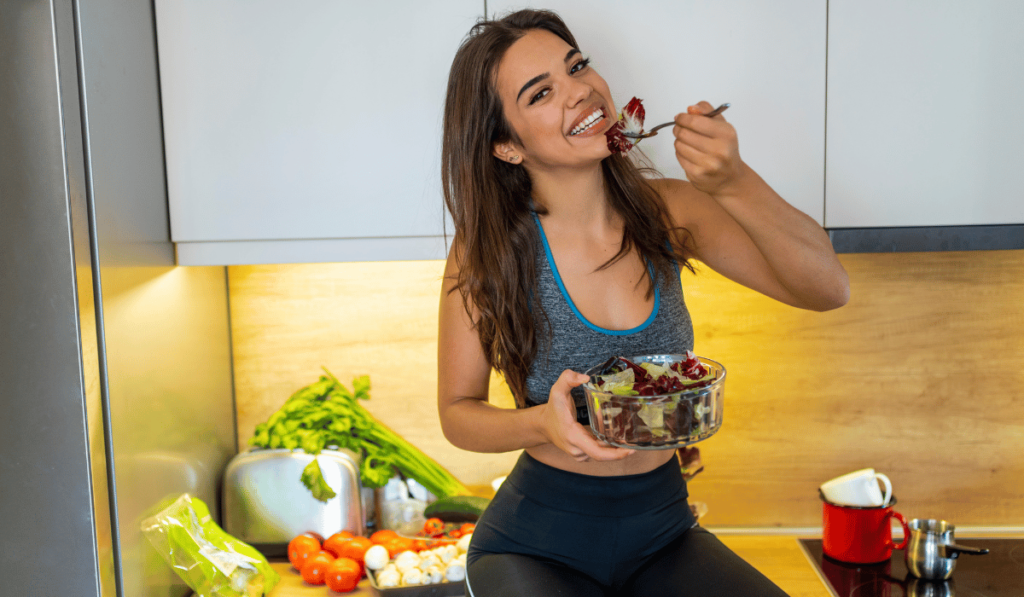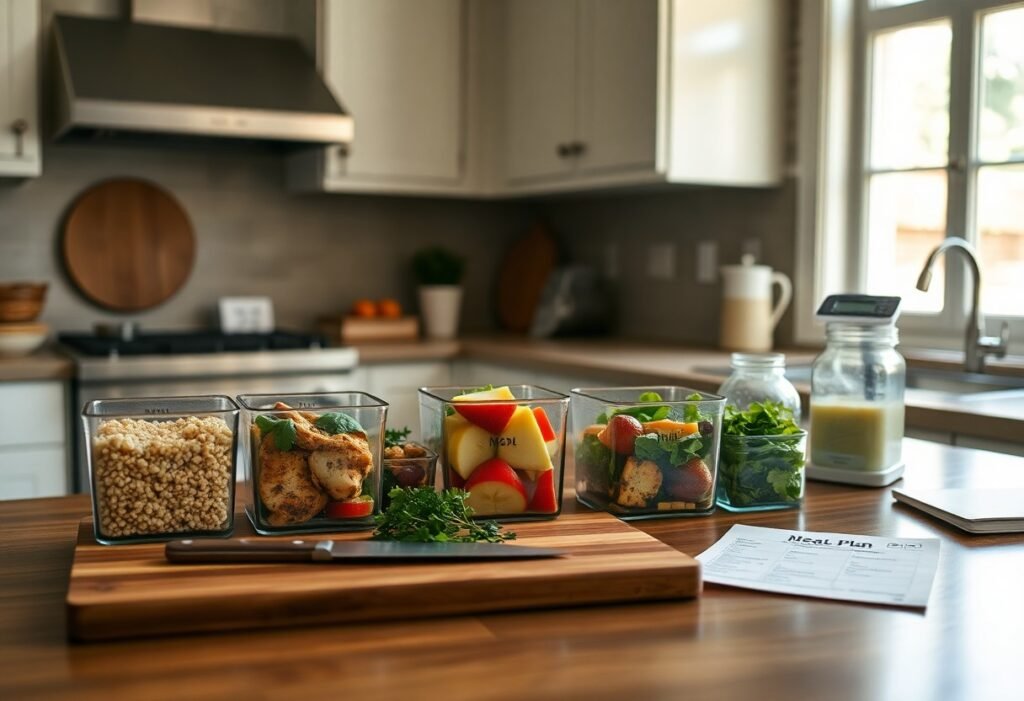
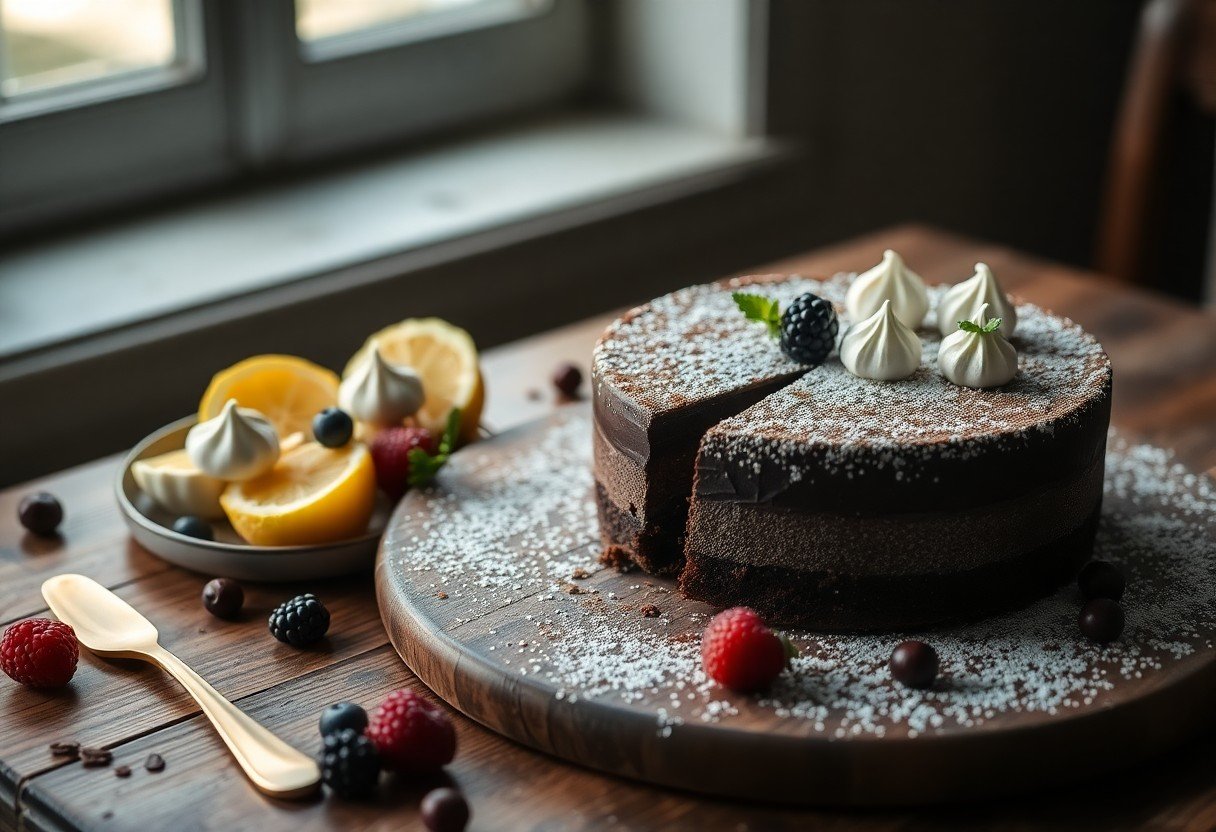
You can enjoy bold, satisfying meals without gluten or dairy by mastering smart swaps, texture-building techniques, and reliable flavor boosters; watch for hidden gluten in sauces and cross-contact, use dedicated utensils and surfaces to keep meals safe, and focus on delicious, nutrient-dense ingredients like roasted vegetables, herbs, and umami-rich proteins so your kitchen proves that allergy-friendly cooking can be both safe and crave-worthy for you and your family.
Key Takeaways:
- Use naturally gluten-free whole grains and reliable flour blends to replicate texture.
- Swap dairy with creamy alternatives (coconut, cashew, almond) and adjust fat for richness.
- Prioritize seasoning, texture, and techniques (toasting, binders, umami) to maximize flavor.
Understanding Gluten and Dairy Intolerances
Gluten and dairy reactions span celiac disease (about 1% of people), non‑celiac gluten sensitivity (estimates up to 6%), and lactose intolerance (lactase non‑persistence affects roughly 65% of adults worldwide). Symptoms range from gastrointestinal distress to systemic issues like anemia or dermatitis; untreated celiac can cause malabsorption and increased fracture risk. Differentiating conditions matters because management and long‑term risks differ, and your treatment should be tailored to the specific diagnosis.
Symptoms and Diagnosis
When you experience chronic bloating, diarrhea, fatigue, unexplained anemia or a persistent itchy rash, testing makes the difference: celiac is typically confirmed by positive tTG‑IgA serology and duodenal biopsy; lactose deficiency is detected with a hydrogen breath test or therapeutic lactose elimination; non‑celiac gluten sensitivity is a diagnosis of exclusion supported by symptom recurrence on gluten reintroduction. For children, growth delay or failure to thrive requires prompt evaluation and follow‑up.
Benefits of a Gluten-Free and Dairy-Free Diet
Adopting a gluten‑free, dairy‑free approach often reduces bloating, abdominal pain and fatigue; many people notice improvement within 2-6 weeks, and surveys frequently report symptom relief in roughly 50-70% of symptomatic individuals. For confirmed celiac disease, strict gluten avoidance heals the intestine and lowers long‑term complications, while removing lactose immediately stops acute GI symptoms for intolerant individuals, improving daily comfort and energy.
To sustain benefits without new problems, you must replace lost nutrients: aim for about 1,000-1,200 mg calcium/day and 600-800 IU vitamin D/day via fortified plant milks, leafy greens, oily fish or supplements to avoid calcium deficiency and bone loss. Also watch hidden gluten in sauces and non‑certified oats, and use alternatives like almond, soy or certified gluten‑free oat milk and flours (rice, sorghum) to keep your diet varied and nutritious.
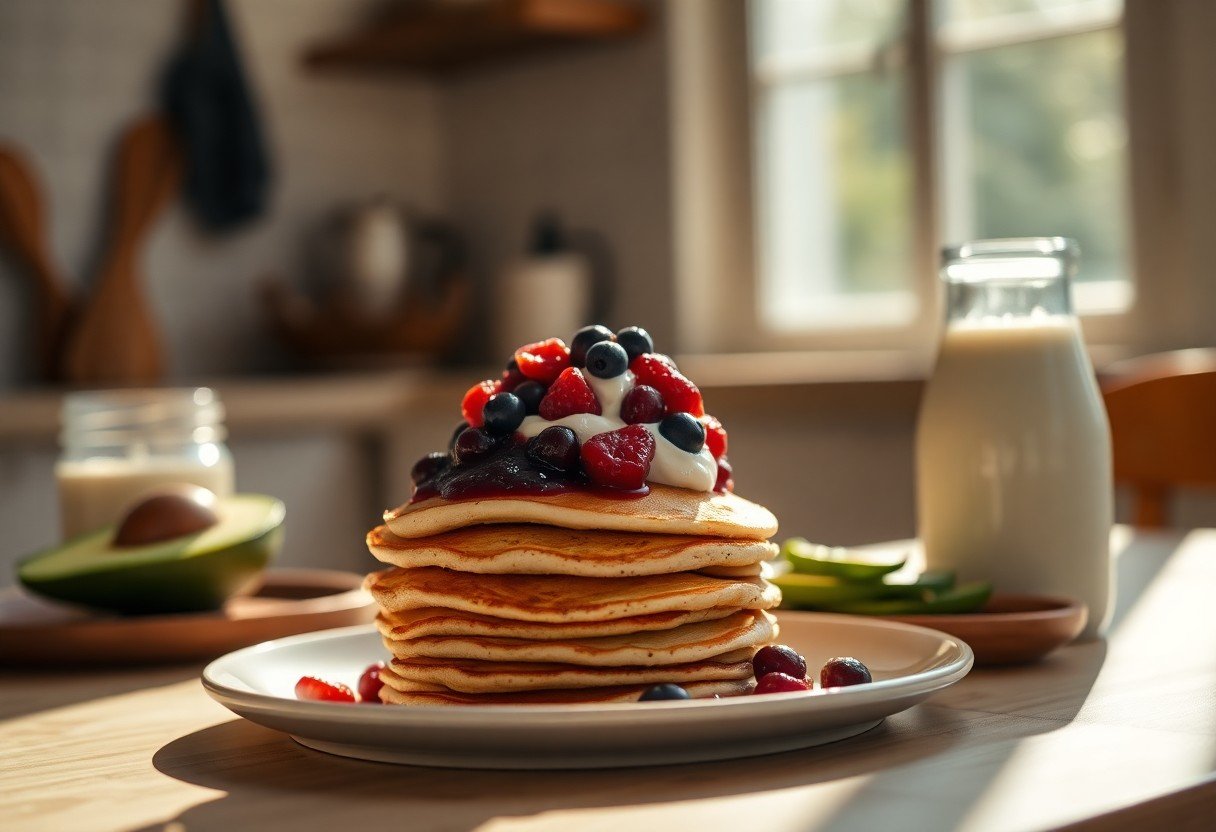
Flavorful Breakfast Options
Smoothie Bowls
You can build a thick smoothie bowl by blending 1 frozen banana, 1 cup frozen berries and 1/2 cup unsweetened almond milk; add 1 scoop (20 g) pea protein for ~20 g protein. Top with 2 tbsp nut butter, 1/4 cup certified gluten-free granola and 1 tbsp seeds for crunch. For texture, blend half the fruit to leave chunks. Check labels-avoid whey or hidden dairy-and use certified products to prevent cross-contamination.
Chia Seed Pudding
Stir 3 tablespoons chia seeds into 1 cup unsweetened coconut milk, whisk well and chill at least 2 hours or overnight for a spoonable pudding. You get a creamy, high-fiber base-3 tbsp chia provides about 11 g fiber-that pairs with 1/2 cup berries, 1 tsp vanilla or 1 tbsp maple syrup. Blend before setting for extra smoothness. Do not eat dry chia seeds because they expand rapidly.
For variations, you can add 1 tbsp cocoa powder for chocolate pudding or 1 scoop (20 g) pea protein to boost protein by ~15-20 g; stir in 1 tbsp almond butter for richness. You can use a 1:3 chia-to-liquid ratio for thick pudding or 1:4 for a looser texture. Portion into jars and refrigerate up to 4-5 days for grab-and-go breakfasts, and if you have swallowing concerns, you should pre-soak or blend seeds to avoid expansion.
Delicious Lunch Ideas
You can convert dinner favorites into quick midday meals-many recipes from Gluten-free Dairy-free Dinners adapt to lunch in 15-30 minutes. Prep 4 lunches by roasting a tray of vegetables and cooking 2 cups quinoa; each serving will be about 400-600 kcal and high in fiber. Use simple swaps like tahini for yogurt and tamari for soy to keep bold flavor without gluten or dairy.
Quinoa Salad
Start with 1 cup cooked quinoa (about 8 g protein per cup and ~222 kcal), add 1/2 cup roasted sweet potato, 1/3 cup chickpeas, chopped herbs, and lemon-tahini dressing. If you add 3 oz grilled chicken or 1/2 cup edamame you’ll reach 18-25 g protein per serving. Dress just before serving to keep texture and pack into jars for 3-4 lunches.
Vegetable Stir-Fry
Stir-fry 2 cups mixed vegetables per person on high heat for 8-12 minutes and add 3 oz protein like tofu or shrimp; you’ll have a 350-450 kcal meal. Swap soy for tamari to keep it gluten-free and inspect labels to avoid hidden gluten or cross-contact in sauces.
For best results, cut vegetables into uniform pieces, cook denser veg (carrot, broccoli) 2-3 minutes first, then add softer ones (bok choy, bell pepper); you should keep the wok very hot and stir constantly. Press tofu 15 minutes, marinate with 1 tbsp tamari, 1 tsp sesame oil and 1 tsp maple syrup, and finish with a cornstarch slurry (1 tsp cornstarch + 1 tbsp water) to glaze-this yields a glossy, fast sauce that clings to every piece.
Tasty Dinner Recipes
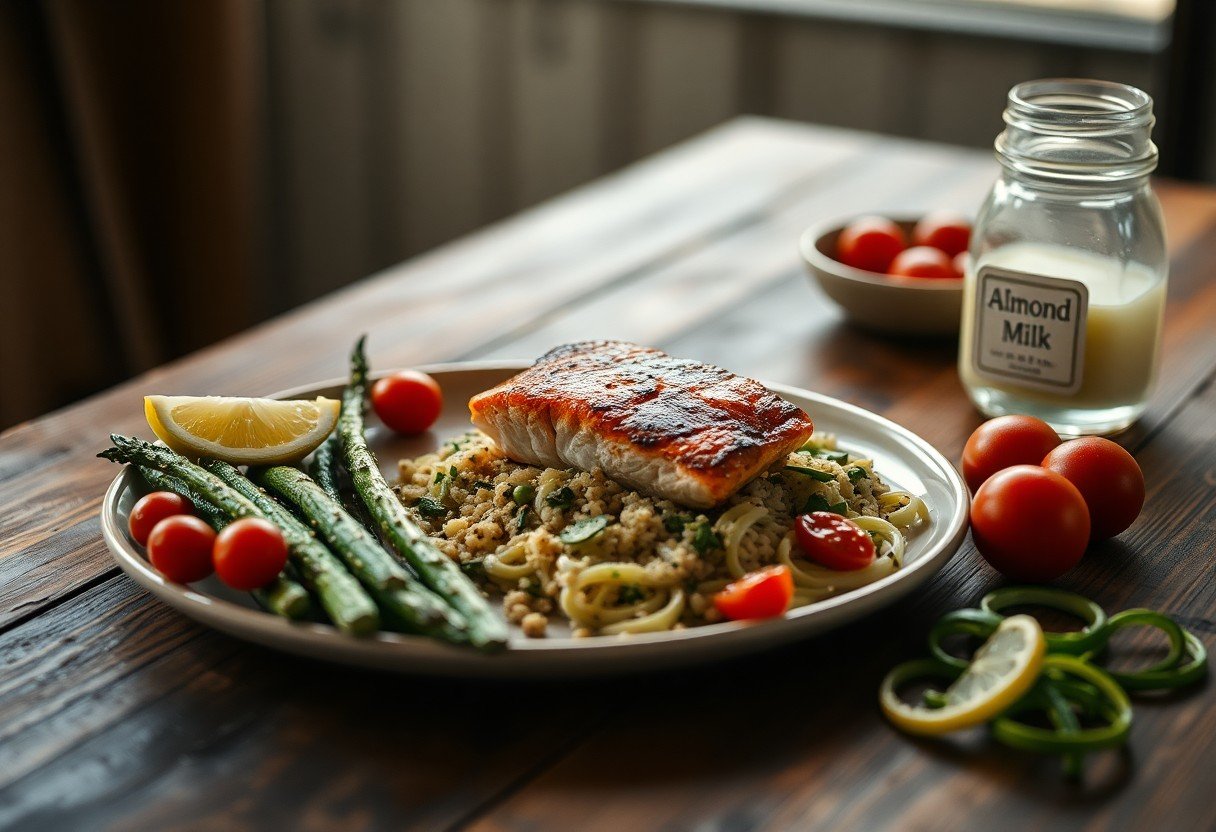
You’ll find weeknight dinners that come together in 30-40 minutes, use pantry staples, and still feel special; for instance, five high-protein mains that average under 500 kcal per serving and swap butter for olive oil to stay dairy-free while keeping rich texture and flavor.
Grilled Lemon Chicken
You can marinate chicken breasts 30 minutes to 2 hours in lemon, 1 tbsp olive oil, garlic and herbs, then grill about 6-8 minutes per side for 1″ thickness; always cook to 165°F (74°C) internal temperature to avoid foodborne illness, and serve with quinoa and charred asparagus for a balanced plate.
Cauliflower Tacos
You roast cauliflower florets at 425°F (220°C) for 20-25 minutes
For best results, cut florets uniform, toss with 1 tbsp oil, 1 tsp smoked paprika, 1 tsp cumin, ½ tsp chili powder and ½ tsp salt, roast turning once; if you want extra crisp, finish in a hot skillet 2-3 minutes. Quick-pickle red onion in ½ cup apple cider vinegar, 1 tbsp sugar and 1 tsp salt for 15 minutes; the combo yields a filling that’s low-cal (≈25 kcal/100g cauliflower), high in fiber, and satisfying without dairy or gluten. Make hummus from 1 can (15 oz) chickpeas, 1/4 cup tahini, 2 tbsp lemon juice, 2 cloves garlic, and 1-2 tbsp olive oil for a bright dip; 1/4 cup (~60 g) yields about 80-100 kcal and 3-4 g protein. Pair with sliced cucumbers, bell peppers, and carrot sticks for color and crunch. Try roasted red pepper or avocado to vary flavor, and watch sodium in store-bought tubs by checking labels. You can craft crackers using 1 cup almond flour, 1/2 cup tapioca starch, 2 tbsp olive oil, 1 egg or flax egg, and 1/2 tsp salt; roll to 1/8 inch, score, then bake 12-15 minutes at 350°F (175°C). Adding 2 tbsp ground flax or chia boosts fiber and crispness. Choose certified gluten-free flours and avoid mixes that list malt or wheat-derived ingredients, since hidden gluten and dairy can appear in blends. For optimal texture, preheat a baking sheet, prick the dough to prevent bubbles, and let sheets rest 10 minutes before baking; store crackers airtight up to 7-10 days or freeze for 6-8 weeks. Avoid cross-contact by cleaning counters and utensils if you also handle wheat products. Experiment with 1-2 tbsp seeds or 1 tsp herbs per batch for flavor and added fiber. Use 2 cups unsweetened shredded coconut, 2 large egg whites (or 1/2 cup aquafaba), 1/3 cup sugar, 1 tsp vanilla and a pinch of salt; fold until evenly coated, scoop onto a parchment-lined sheet and bake at 325°F (160°C) for 18-22 minutes until edges are golden and centers set. If you want to avoid risk, use pasteurized egg whites or aquafaba; macaroons keep 3 days refrigerated or freeze for up to 1 month. Blend 2 ripe avocados with 1/4 cup unsweetened cocoa powder, 1/4-1/3 cup maple syrup, 1 tsp vanilla and a pinch of salt until silky; stir in 2 tbsp melted 70% dark chocolate for extra depth, then chill 30-60 minutes. You’ll get a rich, dairy-free mousse packed with creamy texture and healthy fats; fold in whipped aquafaba if you prefer a lighter airier finish. For best results, choose avocados that yield slightly to gentle pressure and avoid ones with dark stringy flesh; the recipe yields about 3-4 servings
Ultimately, you can enjoy gluten-free and dairy-free meals that satisfy your palate without compromise; by focusing on whole ingredients, bold seasoning, and clever substitutes like aquafaba, nut yogurts, and gluten-free grains, you’ll discover recipes that are flavorful, nourishing, and easy to adapt to your taste and lifestyle. A: Use a combination approach: start with a high-quality gluten-free blend or mix your own (e.g., 40% brown rice flour, 30% sorghum, 30% tapioca or potato starch) and add a binder such as xanthan gum (about 1/4-1 tsp per cup of flour for cookies and muffins; 1 tsp+ for breads) or psyllium husk (1-2 tbsp per cup for bread-like structure). Replace butter with neutral oils, dairy-free butter, or coconut oil and swap milk with unsweetened almond, oat, or full-fat canned coconut milk depending on flavor needs. For richness and chewiness, include an extra egg or an egg replacer (flax or chia “egg” for denser bakes; aquafaba for lighter cakes). Adjust hydration upward-gluten-free doughs often need 5-15% more liquid-and allow batters or doughs to rest 15-30 minutes to hydrate flours before baking. A: Balance flours and starches to avoid grittiness-rice flour should be combined with fine-milled flours (sorghum, millet) and tapioca or potato starch for tenderness. Use fats (oil or dairy-free butter) and an acid (1-2 tsp lemon juice or vinegar) to help tenderness and lift. Do not overbake; test earlier than with wheat-based recipes. For loafs and breads, steam in the oven for the first 10-15 minutes or bake in a covered Dutch oven to improve oven spring and crust. For cookies and bars, chilling the dough helps flavor development and prevents spreading. If crumb is too dense, reduce flour slightly or increase leavening (baking powder/soda) and add an extra egg or 1-2 tbsp of carbonated liquid for lift. A: Use blended raw or soaked cashews (soaked 2-4 hours or boiled 15 minutes), silken tofu, or full-fat coconut milk as a creamy base. Nutritional yeast adds a nutty, cheesy umami-combine it with a touch of miso or soy/tamari for depth. For white sauces, a roux with dairy-free butter and starch (cornstarch or arrowroot) plus plant milk works well; for extra richness add blended cashews. For cheese melts, incorporate tapioca starch for stretch or use commercial dairy-free melting cheeses selectively. Brighten heavy sauces with acid (lemon or apple cider vinegar) and finish with finishing oil or fresh herbs to lift flavors. A: Layer flavor: start by browning proteins and vegetables thoroughly for caramelization, deglaze pans with wine, tamari (gluten-free), or vinegar, and add umami boosters like tomato paste, miso, nutritional yeast, shiitake powder, or anchovy paste if not strictly plant-based. Use concentrated components-roasted garlic, charred peppers, pan-roasted nuts-and finish with salt, acid (vinegar or citrus), and fresh herbs. Toast whole spices and grind them fresh. For quick meals, a spoonful of tahini or nut butter adds richness and depth, while pickled or fermented condiments provide contrast that makes flavors pop. A: Stock: gluten-free all-purpose blend, brown rice/sorghum/buckwheat flours, tapioca and potato starch, xanthan gum and psyllium husk, almond/rolled oats (gluten-free), almond and oat milks, canned coconut milk, raw cashews, nutritional yeast, tamari or coconut aminos, canned beans, olive and neutral oils, vinegar, baking powder/soda, ground flax and chia, aquafaba, and a versatile dairy-free butter. To adapt recipes: swap wheat flour for a 1:1 GF blend or reconstruct with a flour+starch combo, replace milk with plant milk at equal volume, sub butter with oil or dairy-free butter at 3:4 ratio for butter-to-oil swaps (adjust solids), and use binders if the recipe is structural. Test small batches, adjust liquid and binding gradually, and take notes to refine texture and flavor for each recipe conversion.Delectable Snacks and Appetizers
Hummus and Veggie Platter
Gluten-Free Crackers
Decadent Desserts
Coconut Macaroons
Chocolate Avocado Mousse
To wrap up
FAQ
Q: How can I replace wheat flour and dairy in baking without sacrificing taste and texture?
Q: What techniques make gluten-free, dairy-free baked goods tender and not gritty or dry?
Q: How can I get creamy, cheesy, or saucy flavors without dairy?
Q: How do I boost flavor and umami in gluten-free, dairy-free meals so they don’t taste bland?
Q: What pantry staples should I stock and how can I adapt favorite recipes quickly to be gluten- and dairy-free?