Just follow a low-FODMAP, low-fermentable carbohydrate plan to reduce SIBO symptoms; you should avoid sugary, high-fermentable carbs and alcohol that feed bacteria, and prioritize lean proteins, low-FODMAP vegetables, and physician-guided probiotics to support recovery.
Understanding SIBO and the Role of Diet
The Mechanism of Bacterial Fermentation in the Small Intestine
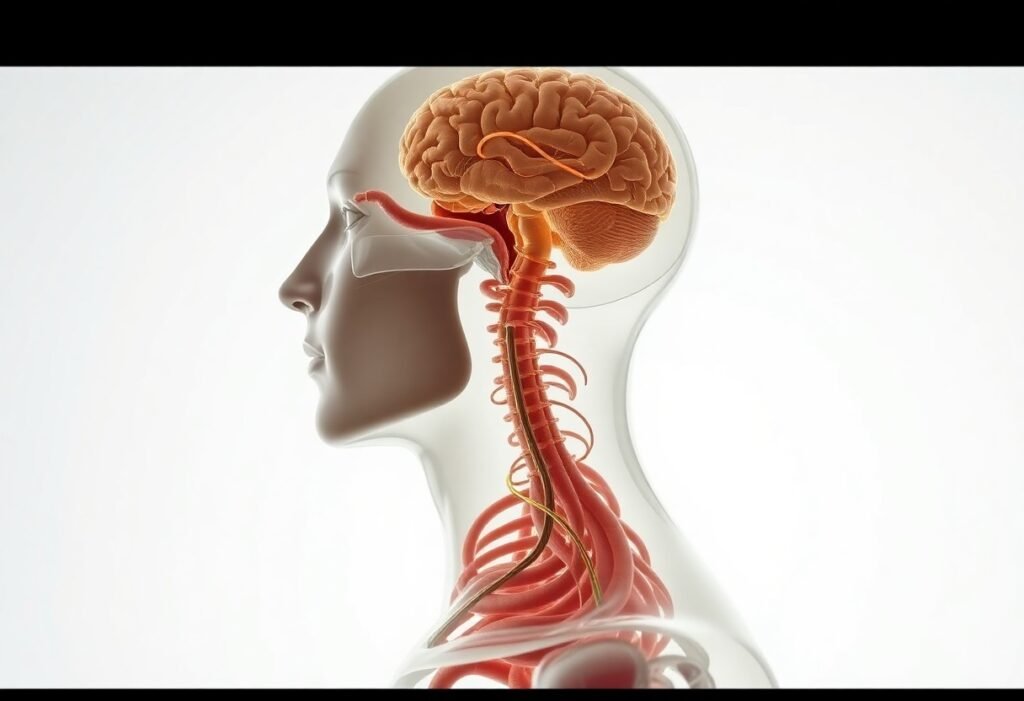
Bacterial overgrowth in the small intestine ferments undigested carbs, producing hydrogen, methane, and short-chain fatty acids that cause bloating, pain and altered bowel habits. You experience symptoms when gas and byproducts distort motility and trigger inflammation.
Why Dietary Intervention is Essential for Symptom Management
Dietary changes target the substrate bacteria feed on, so you can reduce fermentation and rapidly lessen bloating and discomfort. Removing high-fermentable carbs often complements antibiotics or prokinetics and can lower risks of nutrient deficiencies while improving daily function.
Clinical guidance often pairs a short, targeted diet with medical treatment: you may follow a brief low-FODMAP or elemental course to starve bacteria, or try a modified SCD for symptom control. Work with a clinician and dietitian so you achieve symptom improvement and reduced gas production without long-term nutrient deficiencies; reintroduce foods systematically and monitor weight, labs and bowel patterns to guide ongoing care.
Foods to Prioritize: The Low-Fermentation List
Non-Starchy Vegetables and Low-Fructose Fruits
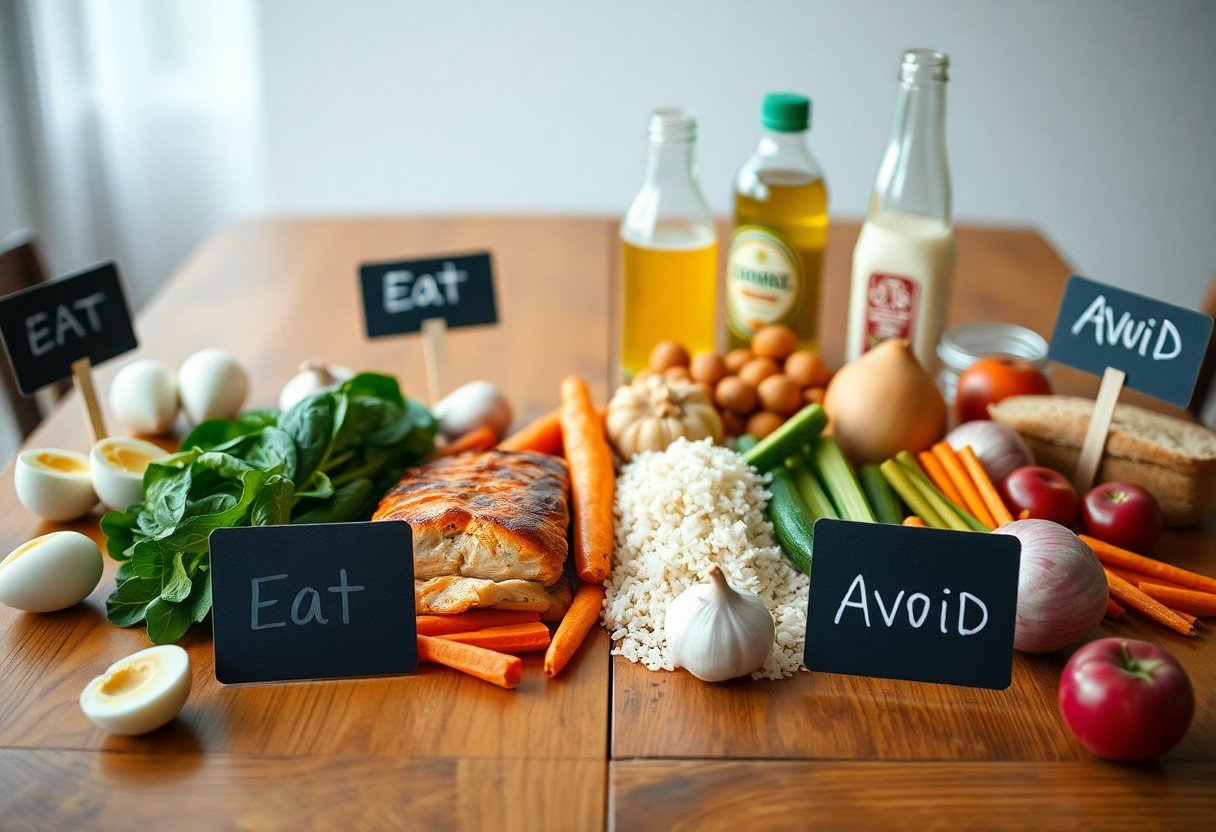
Choose non-starchy vegetables like leafy greens, zucchini, cucumbers, bell peppers, and carrots, and low-fructose fruits such as berries and lemons to limit fermentation. You should avoid high-FODMAP vegetables like onion and garlic that feed bacterial overgrowth.
High-Quality Animal Proteins and Healthy Fats
Include lean meats, poultry, eggs, and fatty fish for stable, low-fermenting protein, plus avocado, olive oil, and nuts for fat. You should avoid processed meats and added sugars that can worsen symptoms.
Animal proteins give you vital amino acids while keeping fermentation low; prioritize wild-caught fatty fish for omega-3s and grass-fed, lean cuts when possible, and prepare them grilled, baked, or poached rather than fried. You can consult resources like SIBO Diet: What to Eat and Avoid for meal ideas and portion guidance.
SIBO-Safe Grains and Complex Carbohydrates
Opt for low-fermenting carbs like white rice, quinoa, and oats, and limit legumes and high-FODMAP grains such as wheat or rye. You should choose small portions and monitor symptoms after servings.
Whole grains and complex carbs can be included if you control portions and preparation; aim for single servings, cook grains thoroughly, and try small tests of quinoa or white rice to assess tolerance. You should avoid heavy servings of beans or lentils during active SIBO and consider working with a dietitian to tailor carbohydrate intake.
Foods to Avoid: Identifying High-Risk Triggers
High-FODMAP Carbohydrates and Natural Sugars
Foods high in FODMAPs-like onions, garlic, wheat, apples, and milk-feed bacteria and often trigger bloating, gas, and diarrhea; you should limit or avoid these during active SIBO since they are common high-risk triggers.
Prebiotic Fibers and Resistant Starches
Certain prebiotic fibers-such as inulin and fructooligosaccharides-and large amounts of resistant starch encourage bacterial growth; you should reduce sources like raw legumes, chicory, and undercooked potatoes until symptoms settle.
You can often tolerate small amounts of soluble fiber from cooked vegetables and peeled fruit, but highly fermentable prebiotics found in chicory root, raw bananas, and some whole grains typically cause gas and pain; work with testing and slow reintroduction to pinpoint your personal limits.
Sugar Alcohols and Artificial Sweeteners
Avoid sugar alcohols (sorbitol, mannitol, xylitol) and many artificial sweeteners; they are poorly absorbed and ferment in the small intestine, commonly producing severe gas, bloating, and diarrhea, so you should skip products that contain them.
When you read labels, note that many “sugar-free” items contain these ingredients; bacterial fermentation of sugar alcohols increases symptoms rapidly, so choose products without them or use alternatives like small amounts of pure stevia once your symptoms improve.
Evidence-Based Dietary Protocols for SIBO
The Low-FODMAP Diet vs. The Elemental Diet
Low-FODMAP reduces fermentable carbs to ease symptoms for you, while the elemental diet uses predigested nutrients that can be highly effective at reducing bacterial load but is extremely restrictive and needs medical supervision.
The Bi-Phasic Diet and SIBO Specific Food Guide
Bi-Phasic combines a strict elimination phase then gradual reintroduction so you limit fermentation; the SIBO Specific Food Guide lists tolerated low-starch, low-FODMAP options and warns about high-risk foods like sugar and resistant starch.
During the strict phase you follow a narrow list-meat, low-FODMAP vegetables, select fats-and you avoid breads, high-starch tubers, and fermentable sugars; as you reintroduce foods the guide helps you test tolerance stepwise, track symptoms, and prioritize gut-healing choices while preventing high-risk reintroduction mistakes and monitoring for nutrient deficiencies, ideally with clinician oversight.

Meal Hygiene and Lifestyle Strategies
The Importance of Meal Spacing and the Migrating Motor Complex
Spacing your meals about 3-4 hours apart lets your migrating motor complex (MMC) run between meals, clearing bacteria from the small intestine; frequent snacking can block MMC and increase your overgrowth risk.
Optimizing Digestion through Mindful Eating Habits
Practice mindful eating: chew slowly, pause between bites, and avoid distractions so you swallow less air and allow better enzyme contact; these habits reduce bloating and support nutrient absorption.
You can improve digestion by setting aside 20-30 minutes per meal, chewing each bite 20-30 times, and keeping upright posture to help gastric emptying; controlling meal pace and breathing reduces air swallowing, while avoiding large liquid volumes during meals prevents dilution of enzymes and may lower fermentation and bloating.

There’s a focused SIBO diet that helps reduce symptoms; you should avoid fermentable carbs and sugars, favor low-FODMAP proteins and cooked vegetables, and work with your clinician for testing and treatment.
Summing up
On the whole you should prioritize low-FODMAP, low-sugar, low-fermentable carbs, lean proteins, and well-cooked vegetables, avoid alcohol, lactose, excess fiber, and refined sugars, and consult your clinician to tailor reintroduction and treatment.
FAQ
Q: What is the SIBO diet and how does it help?
A: The SIBO diet refers to eating patterns that reduce fermentable carbohydrates that feed bacteria in the small intestine. It aims to decrease bloating, gas, abdominal pain, and diarrhea by limiting substrates that encourage bacterial overgrowth while medical treatments address the overgrowth itself. Common approaches include low-FODMAP, Specific Carbohydrate Diet (SCD), and short-term elemental diets used under medical supervision. The diet is an adjunct to testing and treatment rather than a standalone cure for most people.
Q: What foods are generally safe to eat on a SIBO diet?
A: Proteins such as beef, chicken, turkey, pork, fish, and eggs are typically well tolerated. Low-FODMAP vegetables often tolerated include spinach, zucchini, carrots, cucumbers, bell peppers, lettuce, and tomatoes. Low-FODMAP fruits in limited portions include berries, citrus, kiwi, and unripe bananas. Grains and starches with lower fermentable carbohydrate content include white rice, quinoa, and oats in moderation; some people tolerate sourdough bread. Fats and oils like olive oil, butter, ghee, and coconut oil are fine; garlic-infused oil can provide flavor without FODMAPs. Dairy options such as lactose-free milk, hard cheeses, and small amounts of Greek yogurt may be acceptable for some. Bone broth, plain tea and coffee, and most herbs and spices are usually allowed. Elemental nutrition formulas can be prescribed short-term for severe cases under clinician guidance.
Q: Which foods should be avoided during active SIBO treatment?
A: High-FODMAP foods commonly worsen SIBO symptoms and include onions, garlic, wheat, rye, barley, and many legumes such as beans, lentils, and chickpeas. Certain fruits that are high in fermentable sugars include apples, pears, mango, and stone fruits. Dairy with lactose such as regular milk and soft cheeses can cause problems for lactose-intolerant individuals. Vegetables to avoid or limit include cauliflower, mushrooms, asparagus, and snow peas. Sweeteners like honey, high-fructose corn syrup, agave, and sugar alcohols (sorbitol, mannitol, xylitol, erythritol) tend to exacerbate symptoms. Resistant starches, large amounts of simple carbohydrates and refined sugars, alcohol, carbonated beverages, and concentrated prebiotic supplements such as inulin or chicory root are also commonly restricted. Fermented foods may need cautious trialing because live cultures can affect symptoms in some patients.
Q: Are probiotics or prebiotics recommended while on a SIBO diet?
A: Probiotics show mixed results in SIBO; some people report symptom improvement while others experience worsening. Certain strains of Lactobacillus and Bifidobacterium may be beneficial for some patients, and soil-based organisms are sometimes used as adjuncts, but responses are individual. Prebiotics such as inulin, fructooligosaccharides, and other fermentable fibers usually feed bacteria and are typically avoided during active SIBO treatment. Consultation with a gastroenterologist or experienced dietitian is advised before starting probiotics or prebiotics to tailor choices to the specific clinical situation.
Q: How long should the SIBO diet be followed and how should foods be reintroduced?
A: Duration depends on the treatment plan and symptom response; many clinicians recommend an initial restrictive phase of 2-6 weeks while antibiotics or elemental diets are used. Gradual reintroduction of single foods with a symptom diary helps identify individual triggers and tolerances. Attention to meal timing and portion control can support intestinal motility; spacing meals and avoiding constant snacking helps the migrating motor complex function. Follow-up testing, medical therapy for underlying causes (for example, motility disorders or structural issues), and working with a clinician or dietitian support safe reintroduction and help prevent long-term nutritional deficiencies.