Many seasonal choices shape what you cook and how it tastes; you can learn to shop smart, store safely and cook confidently by following this guide. Use peak-season produce for maximum flavor and nutrition, watch for signs of spoilage and avoid contaminated or overripe items, and adapt recipes so your meals are fresher, cheaper and more sustainable all year.
Key Takeaways:
- Seasonal produce offers peak flavor, higher nutrition, and better value-build simple recipes that showcase fresh ingredients at their best.
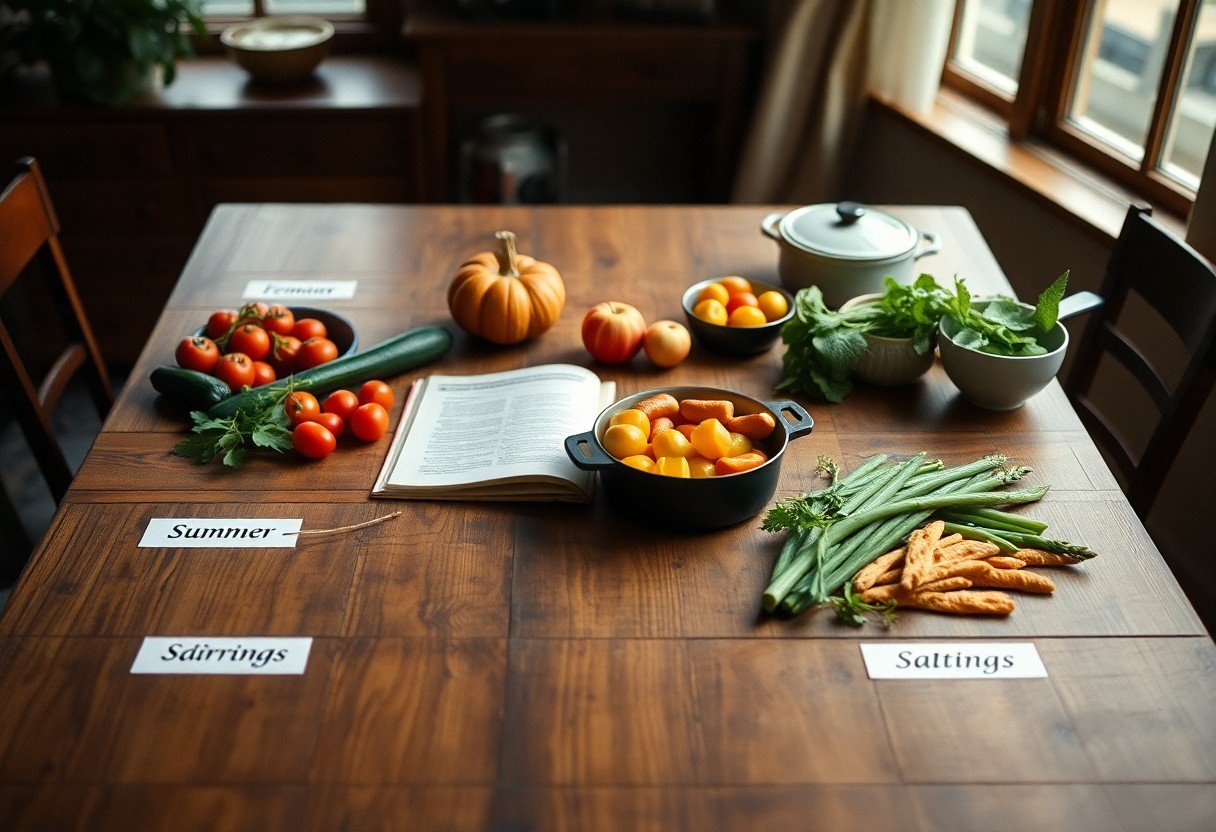
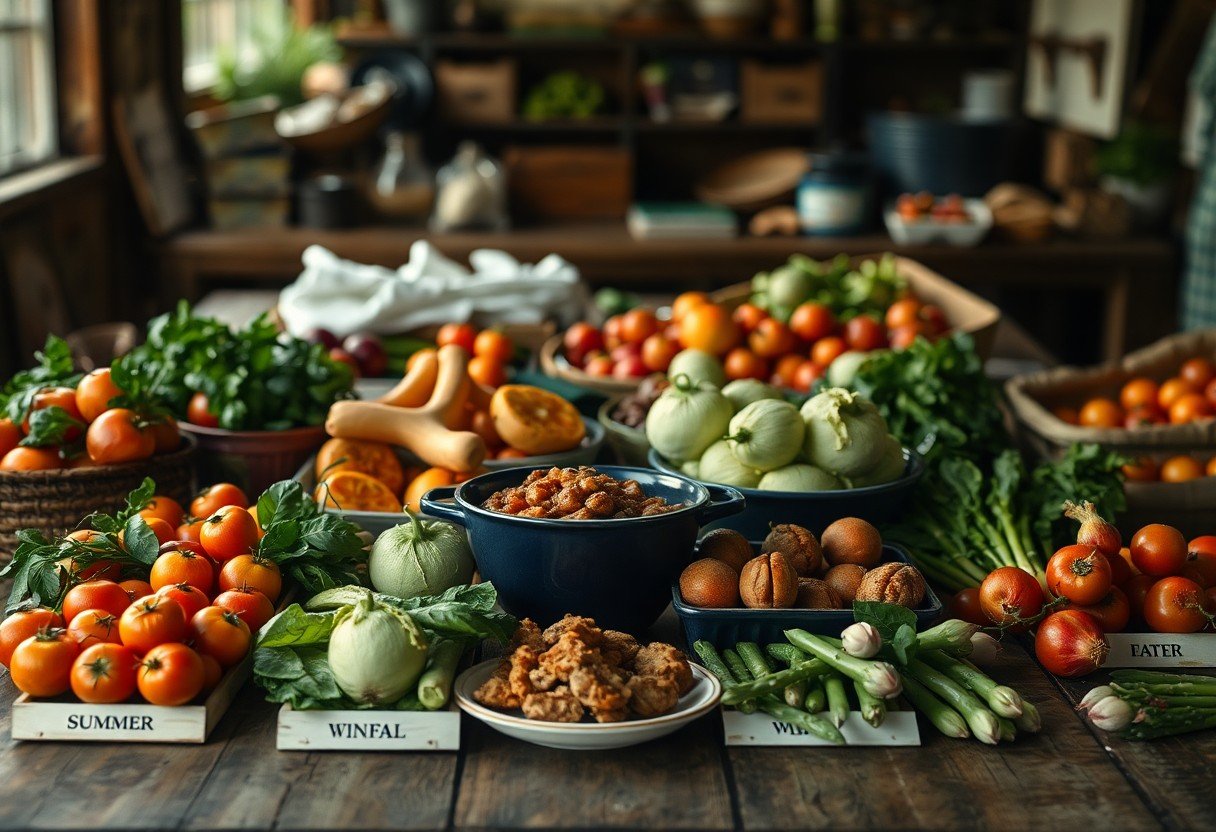
- Plan menus around each season’s staples (summer: tomatoes, corn; fall: squash, apples; winter: root veg, citrus; spring: greens, asparagus) to diversify meals and reduce waste.
- Preserve and adapt-use freezing, canning, pickling, roasting, and quick preparations to extend availability and translate seasonal flavors year-round.
Types of Seasonal Produce
You’ll encounter broad categories of seasonal produce – fruits, vegetables, roots, herbs and greens – each with peak months, flavor profiles and storage needs that affect price and nutrition. You can prioritize local varieties for better taste and fresh nutrient density; for example, stone fruit sugar levels peak mid-summer while root vegetables concentrate starches after frost. You should check firmness, color and aroma before buying. Recognizing how seasonality shifts availability helps you plan menus and preserve surplus.
- Seasonal produce
- Local
- Fresh
- Storage
- Varieties
| Fruits | Apples, peaches, berries, citrus |
| Vegetables | Tomatoes, peppers, leafy greens, brassicas |
| Roots & Tubers | Carrots, beets, potatoes, sweet potatoes |
| Herbs & Greens | Basil, cilantro, spinach, arugula |
| Squash & Gourds | Zucchini, butternut, acorn, pumpkins |
Summer Fruits and Vegetables
You’ll find tomatoes, sweet corn, peaches, zucchini and bell peppers at their peak from June to August; tomatoes develop best flavor when daytime temps hover around 70-85°F, and corn loses sweetness quickly-eat within 24 hours or blanch and freeze. You can grill peaches for desserts, roast zucchini for sides, and use fresh basil in salads to highlight peak aromatics; check for soft spots and insect damage before buying.
Fall Produce Selection
Apples, pears, winter squash, pumpkins, beets and kale dominate fall markets, with apples like Fuji and Honeycrisp harvested August-October and storing several months in cool conditions; you should look for firm fruit and dry, intact stems. Use roasted squash for soups and apples for baking and canning, and inspect for bruises or mold.
You can select apples by tapping-dense, crisp flesh rings indicate freshness-while squash should feel heavy for size and have hard rinds for long storage; choose varieties like butternut for sweet flesh and kabocha for creamy texture. If you plan storage, keep apples at 32-40°F and separate ethylene producers (apples, pears) from sensitive greens to avoid accelerated ripening; discard any fruit with mold to prevent spread.
Winter Staples
Winter staples include root vegetables (carrots, parsnips), brassicas (Brussels sprouts, cabbage), hardy greens and citrus-many squashes store 3-6 months and citrus peaks November-March. You should rely on these items for hearty stews and vitamin-rich salads when field harvests slow, and prioritize firm, unblemished specimens with tight leaves for brassicas.
You can store roots in a cool, humid place or a refrigerator crisper to extend shelf life, and blanch-and-freeze excess greens to retain nutrients; be cautious with potatoes stored in light-green spots indicate solanine formation, which is dangerous and should be cut away or discarded. For citrus, choose heavy fruit for juiciness and avoid soft spots that signal spoilage.
Spring Delights
Early-season picks like asparagus, peas, ramps, rhubarb and first strawberries arrive March-June; asparagus should have tight tips and snap cleanly, peas should be plump and sweet, and ramps offer potent garlic-onion flavor best used fresh. You’ll want to use spring produce quickly-many items last only 3-7 days-so plan light, quick preparations like steaming, sautéing or raw salads to showcase delicate flavors.
You can extend spring produce life by keeping asparagus upright in a jar of water and storing peas refrigerated in breathable bags; when foraging or sourcing ramps, buy from trusted sellers because look-alike plants can be dangerous. Quick blanching preserves color and nutrients, and pairing early greens with lemon or olive oil highlights their bright, seasonal character.
Tips for Selecting Seasonal Produce
When choosing seasonal produce, scan for bright color, firm texture and appropriate weight-heavier fruit often means juicier flesh, while limp leaves or leaking juices signal spoilage. Check labels for harvest or pack dates and favor local vendors to shorten time from field to table; for example, locally sold berries often reach you within 24-48 hours of picking. Thou inspect items for mold, bruises, or cuts that accelerate bacterial growth.
- You can use scent: a ripe peach or cantaloupe smells floral and sweet.
- You should press gently-avocados and tomatoes give slightly when ready.
- You must separate ethylene producers (apples, pears) from sensitive items like leafy greens.
- You should avoid any produce with visible mold, slime, or foul odors.
Ripeness Indicators
Trust sensory cues: aroma, color depth, and slight yield on gentle pressure-avocados ripen in 2-5 days at room temperature and should give to a thumb without feeling mushy; tomatoes show full color and a faint bounce-back; melons sound hollow when tapped and feel heavy for size. For stone fruit, a strong sweet scent at the stem end signals peak ripeness, while sticky or sour-smelling fruit indicates mold or fermentation and should be discarded.
Storage Recommendations
Store by category: most vegetables like leafy greens and broccoli keep best at 32-40°F (0-4°C) in the fridge, while tomatoes, winter squash, and whole melons fare better at room temperature. Keep berries unwashed in a breathable container and eat within 2-5 days; place apples apart to prevent them from accelerating ripening via ethylene. You should remove spoiled items promptly to limit mold spread.
Use your fridge’s high-humidity drawer for greens and herbs-wrap lettuce in a damp paper towel or store herbs upright in a jar with an inch of water and a loose plastic bag to extend life by 5-7 days. For root veg, cool dark storage at ~45-50°F (7-10°C) keeps potatoes and onions stable for weeks; do not store them together. Freeze excess produce at 0°F (-18°C) after blanching (vegetables) or slicing/flash-freezing (fruits) to preserve texture and vitamins; vacuum sealing or using airtight containers can double freezer shelf-life and slow oxidation and freezer burn. Avoid leaving cut produce at room temperature over 2 hours to reduce bacterial growth.
Step-by-Step Cooking Techniques
| Step | How you do it |
|---|---|
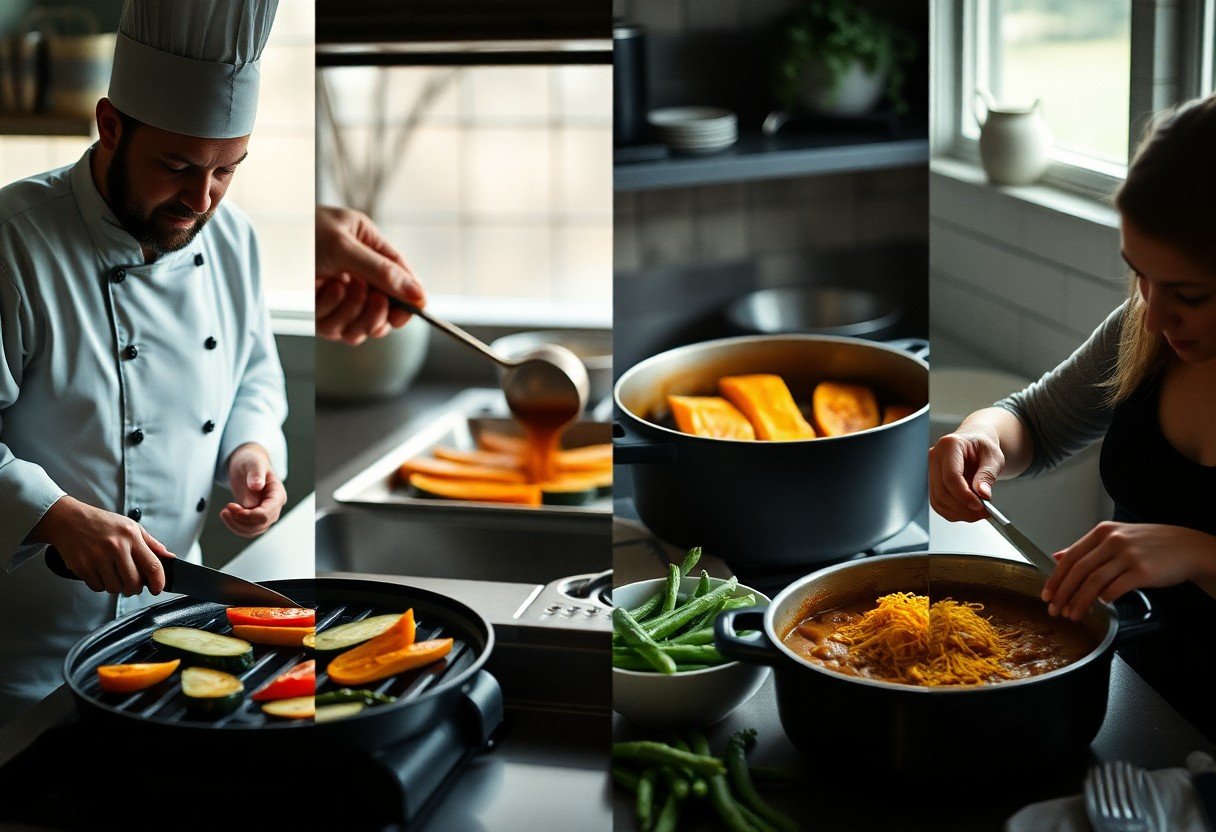
| Wash & Trim | You should wash under running water for ~20 seconds, scrub firm produce with a brush, and discard bruised or moldy parts. |
| Cutting | You should match cuts to the method: 1/4″ slices for quick sautés, 1-2″ chunks for roasting so pieces cook evenly. |
| Blanch & Shock | You should blanch 1-3 minutes then plunge into ice water to stop cooking and preserve color before freezing or sautés. |
| Heat & Temps | You should roast at 375-425°F for 20-60 minutes depending on size, steam 4-8 minutes for tender veg, and ensure proteins hit safe temps like 165°F for poultry. |
| Finish & Store | You should finish with acid or oil to brighten flavors, refrigerate cooked food within 2 hours, and cool leftovers to below 40°F quickly. |
Preparing Produce for Cooking
When preparing produce for cooking, you should wash items under running water for about 20 seconds and scrub firm vegetables; remove and discard damaged parts to avoid off flavors. Trim stems, core apples, and pat produce dry so oil won’t spatter during sautéing. You can blanch 1-3 minutes before freezing to preserve texture, and store leafy greens in perforated bags at 32-40°F to maintain crispness.
Cooking Methods for Seasonal Recipes
For seasonal recipes, you should match method to ingredient: roast dense roots and winter squash at 375-425°F for 30-60 minutes to caramelize sugars, sauté summer zucchini 3-6 minutes, and grill peaches or asparagus 6-10 minutes. Braising at ~300°F for 1-3 hours suits fall and winter cuts. Use an instant-read thermometer for proteins-poultry must reach 165°F-and avoid overcrowding pans to ensure proper browning.
To fine-tune technique, you should deep-fry at 350-375°F for maximum crispness, steam delicate greens 2-5 minutes, and blanch beans 1-2 minutes followed by a 2-minute ice bath to lock color. Acid added at the end brightens flavors; when quick-pickling, use a 1:1 vinegar-to-water ratio with 1-2 tablespoons salt per quart. You should salt veg just before high-heat cooking to preserve texture and rely on an instant-read thermometer for consistent results.
Factors Influencing Seasonal Produce Availability
Weather, soil health, pest pressure, labor and logistics all dictate when items are plentiful or scarce; for example an early spring frost can wipe out tender greens while harvest delays from labor shortages tighten supply. You can consult The Ultimate Seasonal Produce Guide for regional calendars and data on postharvest losses (often 20-40% for fruits and vegetables). This shapes what you find at market and how you plan menus.
- Seasonal produce
- Climate
- Soil
- Pest pressure
- Labor
- Supply chain
- Storage
- Local vs. imported
Climate and Weather Patterns
You monitor growing degree days (GDD), frost dates and extreme events because many crops require roughly 1,000-2,000 GDD to reach maturity; a seasonal GDD shift of 10-20% can move harvest windows by days to weeks. Late frosts or heat waves often cut regional yields by tens of percent, forcing sudden price spikes and import dependency for staples like berries or leafy greens.
Local vs. Imported Produce
You’ll notice local produce often reaches you within hours to a day, delivering better texture and higher retained nutrients thanks to a shorter supply chain. Imported items expand your off-season options-think winter citrus or summer berries shipped from the southern hemisphere-but they depend on long cold chains and sometimes air freight with much higher emissions, which affects price and sustainability.
In practice you should compare transit time, cold-chain integrity and season-extension methods: air freight delivers in 1-3 days but increases costs and carbon intensity, while sea freight takes weeks but reduces emissions. Investments in local cold storage and greenhouse-grown tomatoes, for example, can extend your regional season and lower food waste compared with distant imports.
Pros and Cons of Eating Seasonal
Pros and Cons
| Pros | Cons |
|---|---|
| You pay lower prices in peak harvest (often 20-40% cheaper). | You face limited availability of out-of-season favorites. |
| You get fresher, higher-nutrient produce with less storage loss. | You may have reduced variety during some months. |
| You support local farmers and community markets. | You encounter price volatility when supply is short. |
| You reduce food miles, lowering transport-related emissions. | You might rely on imports in winter, increasing emissions and food miles. |
| You enjoy better flavor from vine- or tree-ripened items. | You often must plan meals around what’s available. |
| You benefit from seasonal promotions and surplus sales at markets. | You face shorter shelf life, requiring faster use to avoid waste. |
| You can explore regional specialties and heirlooms when they peak. | You may miss year-round staples or varieties you prefer. |
| You help stabilize local economies through direct sales and labor. | Short harvest windows can create waste during gluts if demand doesn’t match supply. |
Health Benefits
You’ll often get higher micronutrient levels when eating produce at peak ripeness; studies show vitamins like vitamin C can decline up to 50% after a week of storage, so choosing in-season berries, leafy greens, or tomatoes can boost your intake. You also reduce exposure to preservatives and long cold-chain handling that can degrade phytonutrients, improving both taste and nutrient retention in your meals.
Environmental Impact
Eating seasonally usually cuts your food’s carbon footprint because you avoid long-distance shipping and energy-heavy storage; transport makes up about 5-10% of food-system emissions, so choosing local summer corn instead of imported alternatives can reduce your food miles by thousands of kilometers.
More specifically, you’ll lower emissions tied to refrigerated storage and air-freighted goods-imported winter produce often travels by air or refrigerated ship, increasing fuel use. Conversely, season-extension methods like heated greenhouses can raise emissions substantially, so you should weigh local greenhouse-grown winter tomatoes against imported field-grown options for true environmental benefit.
Economic Considerations
You can save money and support farmer income by buying in season-peak harvest prices often drop by 20-40%, and buying direct at farmers’ markets shifts more revenue to producers rather than middlemen. You’ll also find seasonal promotions and bulk deals that reduce your grocery bills.
On the producer side, direct sales and CSAs improve cash flow-farmers selling directly can retain a far larger share of retail value, sometimes over half compared with wholesale channels. However, you should expect price swings during short harvest windows and occasional oversupply that can depress farmgate prices unless markets, processing, or storage options absorb the surplus.
Seasonal Recipes
Summer Recipe Ideas
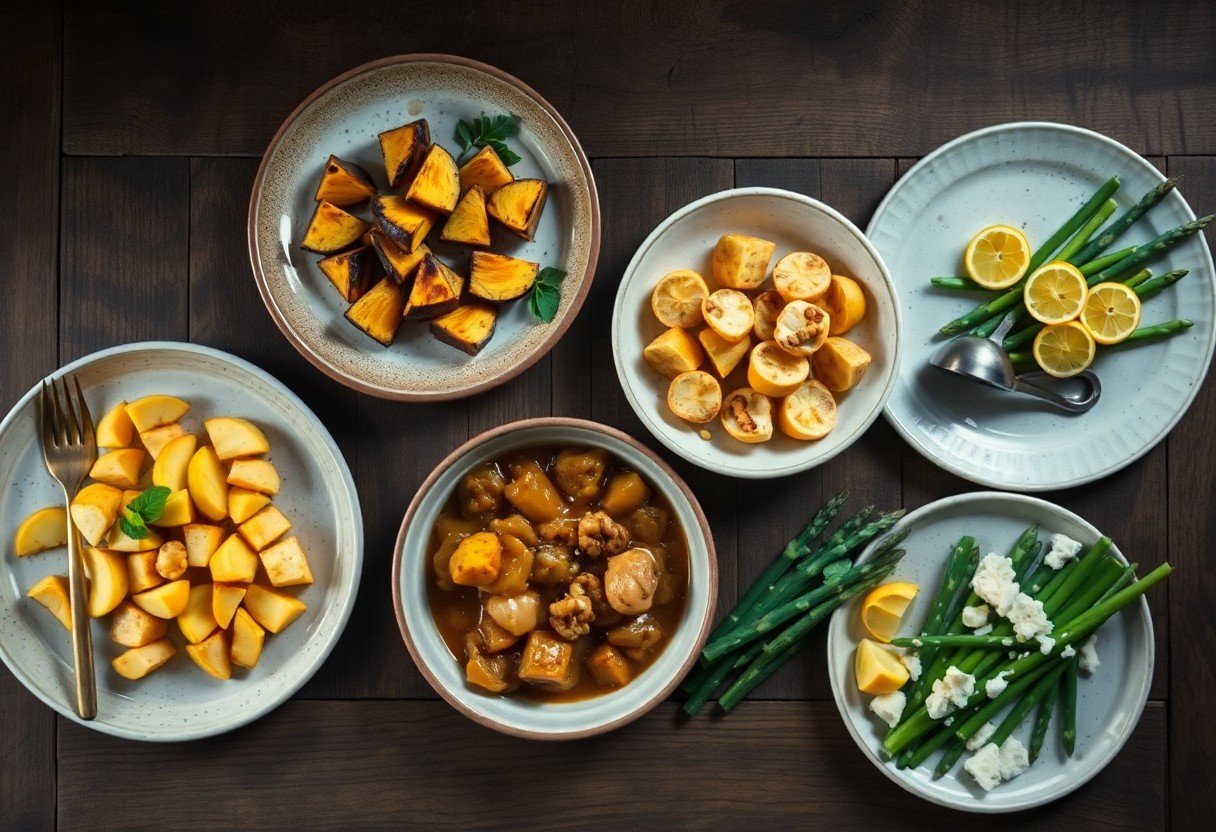
You’ll find peak peaches in July-August and tomatoes at their sweetest after a day at room temperature; assemble grilled peaches with burrata, tomato-mozzarella salads, or zucchini noodles with basil pesto. Try sweet corn within 24-48 hours of picking for maximum sweetness-grill or char for 5-8 minutes per side. Use 1-2 fresh herbs (basil, mint) to lift flavors and balance heat with citrus or vinegar in dressings.
Fall Flavors
You can transform apples (peak Sept-Nov) and winter squash into roasted butternut bowls, apple galettes, and braised short ribs with root vegetables; pumpkins provide abundant beta‑carotene and hold well for weeks when stored cool. Combine roasted squash with quinoa and toasted pepitas, or glaze apple slices with maple and cinnamon for desserts or compotes.
Cook with specific temps and timing: roast squash at 400°F for 25-35 minutes after tossing with 1-2 tablespoons oil, and slice apples about 1/4″ for even baking in galettes. Slow‑braise meats at 300°F (or simmer 2-3 hours) until fork‑tender, and use acid (2 tablespoons vinegar or citrus) to brighten rich stews.
Winter Comfort Foods
You’ll rely on citrus, cabbage, root vegetables, and hearty proteins for warming plates-think beef stew with rutabaga, braised lamb shanks, and roasted Brussels sprouts with orange zest. Citrus supplies vitamin C when other fresh produce is scarce; pair segments with bitter greens and a nutty component like almonds or pecans to round textures and flavors.
Prepare stews by simmering low for 2-3 hours until collagen breaks down; roast roots at 425°F for 35-45 minutes to caramelize edges. Reheat leftovers to 165°F to ensure safety, and finish braised dishes with a splash of acid (1-2 tablespoons) to balance richness.
Spring Inspirations
You should feature asparagus, peas, ramps, and early strawberries in light dishes: asparagus frittata, pea‑and‑mint risotto, and strawberry‑rhubarb crisp highlight fresh textures. Use tender spring greens raw in salads or quickly wilted; peas pair especially well with lemon and feta for bright, simple plates that showcase the season’s immediacy.
Handle spring produce gently: blanch asparagus 2-3 minutes or peas 1-2 minutes to preserve color and texture, then shock in ice water. Buy strawberries at peak (late spring) and use within a few days, storing unwashed in the fridge to maintain flavor and prevent spoilage.
To wrap up
On the whole, this seasonal produce guide and recipes help you align your meals with peak flavor and nutrition across summer, fall, winter and spring, giving practical tips on selection, storage, preservation and simple techniques so you can plan menus, shop smarter, and transform fresh ingredients into reliable, delicious dishes year-round.
FAQ
Q: What produce is typically best in each season and how does flavor change across summer, fall, winter and spring?
A: Summer favors high-sugar, water-rich items-tomatoes, stone fruit, sweet corn, cucumbers and summer squash-with bright, juicy flavors ideal for raw or quick cooking. Fall brings heartier, slightly sweet and nutty produce-apples, pears, pumpkins, winter squash, beets and late brassicas-better for roasting and baking. Winter centers on storage crops and cold-hardy greens-root vegetables, cabbages, citrus and kale-with concentrated flavors that stand up to long braises and soups. Spring offers tender, fragrant shoots and early vegetables-asparagus, peas, radishes, ramps, new potatoes and tender lettuces-delicate flavors suited to light sautés, steaming, and simple dressings.
Q: How do I choose ripe, high-quality seasonal produce at markets or stores?
A: Inspect texture, weight, aroma and color: stone fruit should give slightly to gentle pressure and smell fragrant; tomatoes should be heavy for size with even color and a sweet scent at the stem; leafy greens should be crisp with no yellowing or sliminess; root vegetables should be firm and smooth without soft spots; citrus should feel heavy and be firm with fragrant skin. Smell, heft and absence of blemishes often matter more than perfect appearance. Ask vendors about harvest date and growing practices when possible.
Q: What are the best storage and prep methods to keep seasonal produce at peak flavor?
A: Store produce by category and ethylene sensitivity: keep apples, pears and tomatoes separate from ethylene-sensitive greens. Use the fridge crisper on low humidity for delicate greens and high humidity for carrots/roots; store onions, garlic and winter squash in a cool, dry, dark place. Wash just before use to extend shelf life; trim tops from root vegetables to prevent moisture loss. For blanch-and-freeze: blanch vegetables briefly in boiling water, ice shock, drain and freeze in airtight containers. Citrus and tomatoes can be room-stored for short periods to preserve texture and flavor.
Q: Can you suggest practical, seasonal recipes for summer, fall, winter and spring with brief preparation steps?
A: Summer – Grilled Corn & Tomato Salad: char corn, cut kernels, toss with halved cherry tomatoes, chopped basil, lime juice, olive oil, salt, pepper and feta. Fall – Roasted Butternut Squash & Apple Bowl: cube squash and apples, toss with oil, rosemary, roast until caramelized, finish with toasted seeds and a splash of balsamic. Winter – Hearty Root Vegetable Stew: brown onions, add diced carrots, parsnips, potatoes and roasted beet or turnip, cover with broth, simmer until tender, finish with kale and a squeeze of citrus. Spring – Asparagus & Pea Risotto: sauté shallot, add arborio rice, deglaze with wine, slowly add hot stock until creamy, fold in blanched asparagus, peas, lemon zest and Parmesan.
Q: How can I preserve seasonal harvests to use off-season and what methods suit which produce?
A: Freezing works well for berries, blanched greens, corn kernels and pre-cooked fruits; use quick blanching and airtight packaging. Canning or making preserves is ideal for tomatoes, fruit jams and sauces-follow tested recipes and acidity guidelines; low-acid vegetables require pressure canning. Pickling suits cucumbers, onions, beets and green beans-use a vinegar brine for shelf-stable jars if processed correctly. Drying or dehydrating concentrates flavor in herbs, tomatoes and fruits for long storage. Purees and compotes can be frozen in portioned containers for later use in sauces and baking.