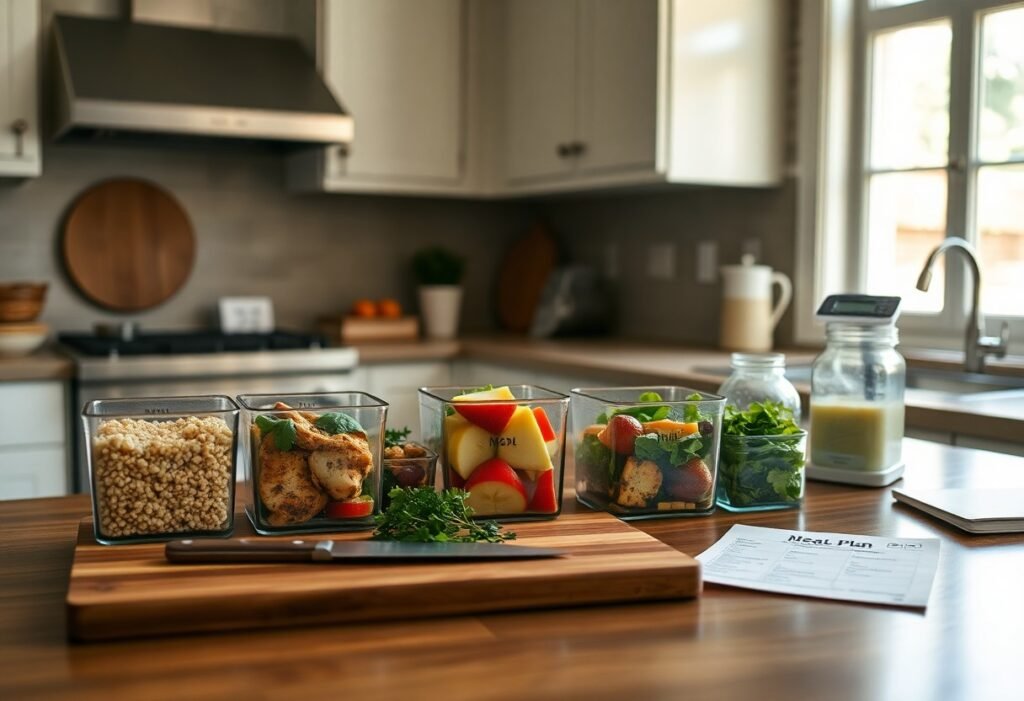
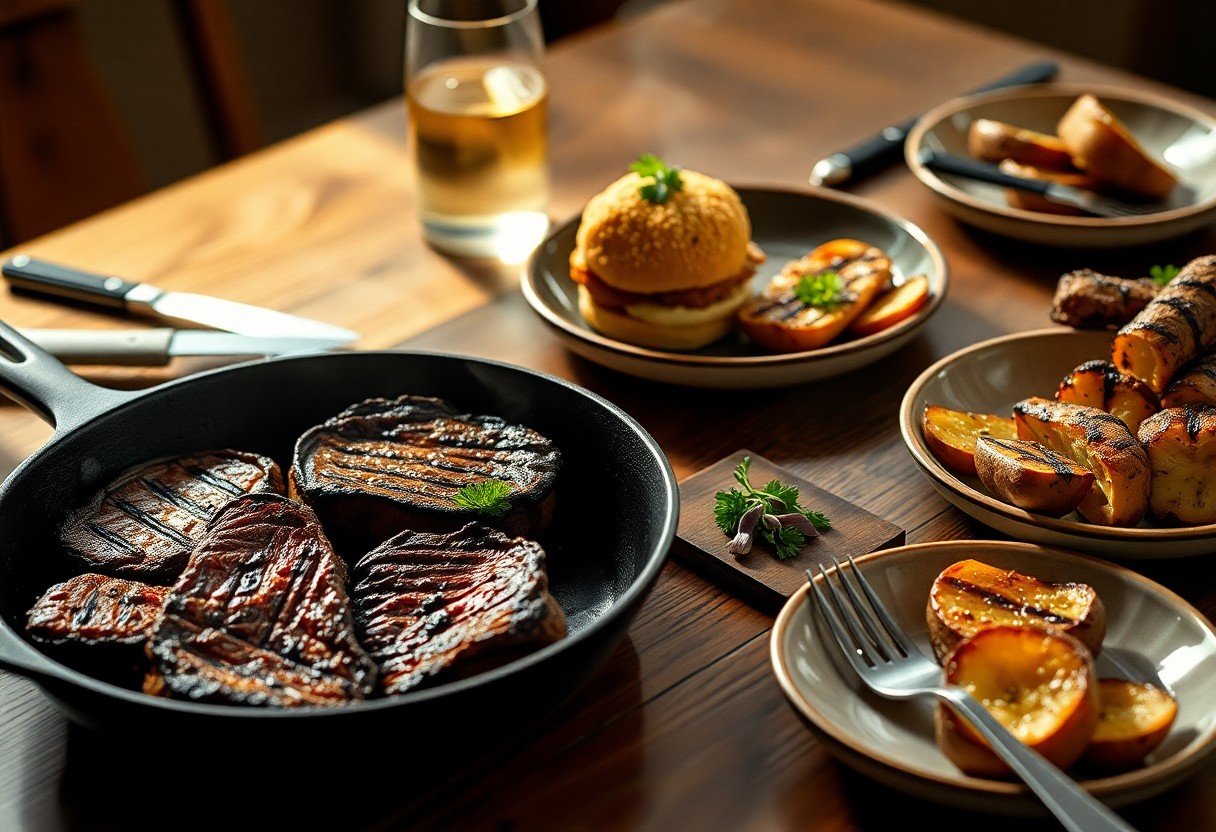
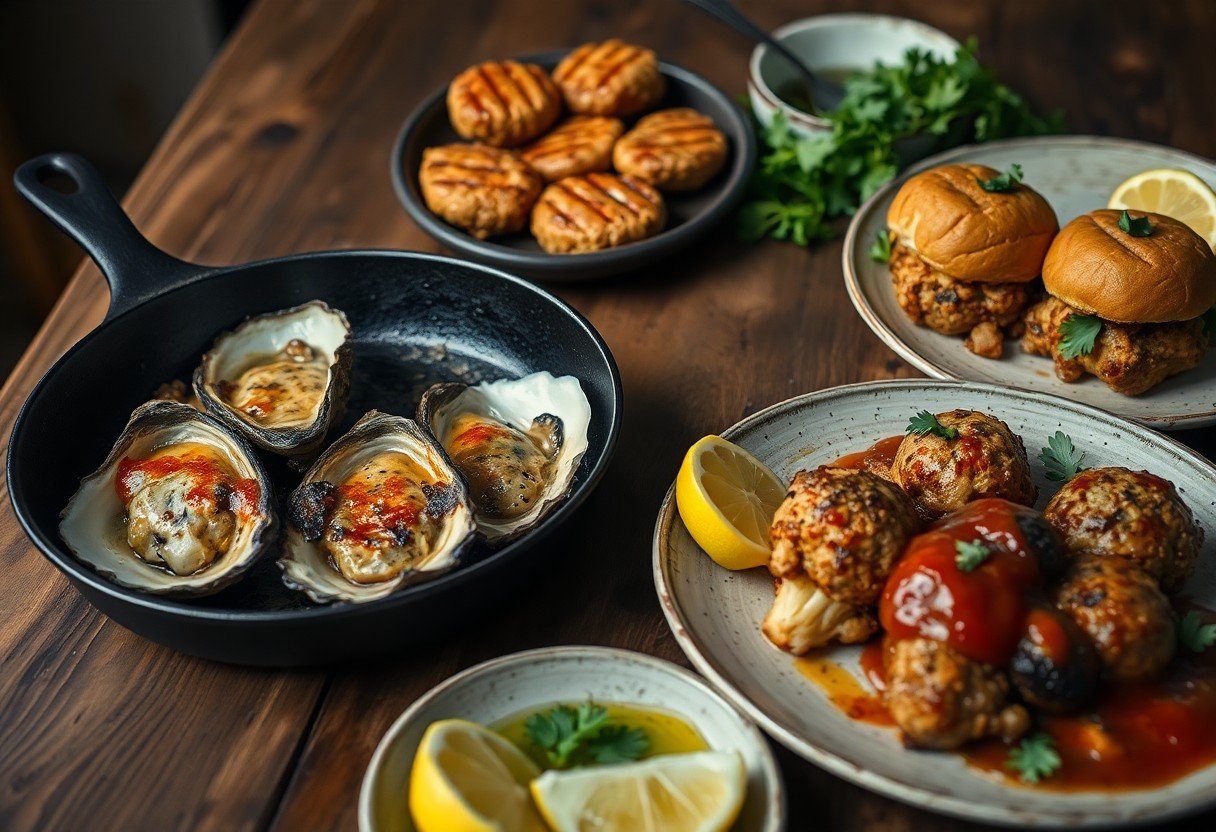
You can transform weeknight dinners by focusing on bold flavors and hearty textures that mimic meat satisfaction; use umami-rich ingredients like mushrooms, miso, and smoked paprika, pair beans, lentils, or tofu for complete protein, and roast or char for depth. Pay attention to hidden sodium and allergens in processed meat substitutes. With smart seasoning and cooking techniques you’ll serve meals that are both satisfying and better for your health.
Key Takeaways:
- Use bold, umami-rich flavors and techniques (roasting, searing, smoked paprika, miso, mushrooms) to deliver the savory depth meat-lovers expect.
- Choose hearty plant proteins and meat-like textures (seitan, tempeh, lentils, chickpeas, jackfruit) and serve in familiar formats-burgers, tacos, stews-for satisfying bites.
- Build balanced plates with protein + fat + starch, and finish with marinades, acids, herbs, or cheese alternatives to boost flavor and satiety.
Benefits of Plant-Based Meals
Beyond flavor, plant-based dinners give you more fiber and fewer saturated fats, often helping you reach the 25-30 g/day fiber target while lowering LDL-linked risks. You also gain diverse phytonutrients and antioxidants that aid inflammation and recovery, and simple swaps-like beans for beef-can cut calories and increase micronutrient density; be mindful of B12, iron and omega‑3 to keep the transition safe.
Health Advantages
Switching to plant-forward dinners typically lowers your saturated fat intake and raises fiber, potassium and polyphenols; meta-analyses report about a 15-30% lower risk of coronary heart disease and meaningful reductions in type 2 diabetes with higher plant food intake. If you prioritize legumes, nuts and whole grains you’ll meet protein needs while improving cholesterol and blood pressure-consider B12 supplementation and iron checks if you eliminate red meat.
Environmental Impact
Animal agriculture generates roughly 14.5% of global greenhouse gas emissions, and livestock occupies about 77% of agricultural land while providing only ~18% of calories; replacing meat-heavy dinners with pulses, vegetables and grains therefore shrinks your personal food-print. Producing 1 kg of beef often emits tens of kilograms of CO2e, whereas 1 kg of legumes typically emits only a few-a practical order-of-magnitude difference.
Shifting even one meal a day from beef or lamb to plant proteins can meaningfully reduce your diet-related land use, water use and emissions; large analyses (Poore & Nemecek, 2018) show dietary change often yields larger per-person environmental gains than incremental production fixes, and your choices directly lower pressure on deforestation and biodiversity loss when you favor beans, lentils, mushrooms and seasonal local produce.
Flavorful Plant-Based Ingredients
You can layer bold umami and acid to make vegetarian dishes sing: miso, nutritional yeast, sun-dried tomatoes, mushrooms, and tamari pack savory depth, while vinegars and citrus brighten. Use 1 tbsp miso per cup of broth, 2 tbsp nutritional yeast for cheesy notes, or 1/4 cup chopped sun-dried tomatoes in stews. Balancing salt, acid, fat, and heat turns simple veg into deeply satisfying plates.
Legumes and Pulses
You should rely on legumes for texture and protein: 1 cup cooked lentils gives about 18 g protein, chickpeas ~15 g, and black beans ~15 g, so they stand in for meat easily. Roast chickpeas for crunch, blend beans with spices and oats into burgers, or slow-simmer lentils in a smoky tomato base. Pressure-cooking cuts bean times to 10-30 minutes, saving prep time.
Grains and Whole Foods
You can use grains to add chew and nutrition: 1 cup cooked quinoa delivers roughly 8 g protein and 222 kcal, while farro, barley, and bulgur provide hearty texture and more fiber. Swap rice for barley in soups to boost satiety, or make a farro risotto for chewiness. Cooking grains in vegetable stock and finishing with lemon and herbs intensifies flavor without extra fat.
You should rinse quinoa under cold water to remove saponins that cause bitterness-rinse quinoa for a cleaner taste. Toast grains 2-3 minutes to deepen nuttiness, then use standard ratios (quinoa 1:2 water, farro ~1:3) and expect 12-15 minutes for quinoa versus 20-40 for farro. Batch-cook 4-6 cups to stash for bowls, salads, and grain-based patties that hold together well.
Creative Plant-Based Dinner Recipes
You can lean on texture and umami: roast mushrooms and walnuts for a meaty bite, fold in cooked lentils or crumbled tempeh, and finish with miso or soy for savory depth. For nutrition, 1 cup cooked lentils provides ~18g protein and chickpeas about 15g per cup, so combining legumes with whole grains delivers satisfying meals that appeal to meat-lovers without losing substance.
Hearty Pasta Dishes
Swap half or all of your wheat pasta for chickpea or lentil pasta (cooks in 7-10 minutes) and build sauces that mimic meatiness: try a mushroom-lentil ragù with 2 cups minced cremini, 1 cup cooked brown lentils, 1/2 cup tomato paste, simmered 10-12 minutes. Finish with toasted walnuts and 2 tablespoons nutritional yeast for a savory finish; an 8-ounce dry box typically serves 3-4 people.
Flavorful Stir-Fries
Turn up the heat and sear ingredients quickly: preheat a wok until very hot, add 1-2 tablespoons oil, then brown firm tofu or tempeh 2-3 minutes per side before adding vegetables; cook veggies crisp-tender in 3-5 minutes. Mix a sauce of 2 tablespoons soy, 1 tablespoon rice vinegar, 1 teaspoon sesame oil and a cornstarch slurry to glaze; avoid overcrowding the pan so you get proper caramelization.
Dive into specific combos: marinate 200g tempeh for 15 minutes in 2 tablespoons soy and 1 tablespoon maple syrup, pan-sear 3 minutes per side, then toss with broccolini, red bell pepper, and 1/4 cup toasted cashews. If using tofu, press for 15-30 minutes to remove water and improve browning. Scale the sauce to 4 servings by doubling liquids and finish with a squeeze of lime and fresh cilantro for brightness.
Substituting Meat in Classic Dishes
You can swap meat with legumes, mushrooms, tofu, tempeh or jackfruit and adjust spices and fats; for example, replace 1 cup cooked lentils (~18 g protein) for 1 cup ground beef in chili and reduce simmer time since lentils cook in 20-25 minutes. Add soy sauce or miso for umami, a tablespoon of oil for mouthfeel, and watch sodium when using processed meat alternatives.
Vegan Tacos
Use spiced black beans, crumbled tempeh, or shredded jackfruit as fillings; 1 cup cooked black beans (~15 g protein) can fill about eight small tacos. Pan-fry mushrooms with smoked paprika for a meaty bite, finish with lime and cilantro, and always rinse canned jackfruit to reduce excess sodium before saucing.
Plant-Based Burgers
You can build patties from beans, oats, and mushrooms or use pea-protein blends; for example, 1 cup mashed black beans yields roughly 15 g protein and makes three patties. Mix in 1-2 tbsp flax+water or a commercial binder, sear 3-4 minutes per side for a crisp crust, and be mindful of high sodium in many frozen options.
Pressing and chilling patties for 30 minutes before cooking helps prevent crumbling, and folding in finely chopped walnuts or cooked quinoa improves texture. Try baking at 375°F (190°C) for 18-22 minutes or grilling over medium-high heat; finish with miso-mayo or a charred onion to boost umami and satisfaction.
Tips for Cooking Plant-Based Meals
You’ll get better results by focusing on texture, seasoning, and timing: press tofu for 15-30 minutes, roast veg at 425°F for 20-30 minutes, and sear tempeh 3-4 minutes per side for a crisp crust. Use pantry staples to build depth quickly and batch-cook beans or grains for the week. Try the practical swaps below to boost protein and umami. After exploring more ideas, check 33 Best Plant-Based Diet Recipes – Easy Vegan … – Food52.
- Prioritize protein: lentils, tempeh, chickpeas
- Create umami: miso, nutritional yeast, dried porcini
- Build texture: roast, crisp, char vegetables and tofu
- Balance with acid: lemon, vinegar, pickles
Building Layers of Flavor
Start by sweating onions and garlic for 6-8 minutes until soft, then add carrots and celery for another 5 minutes to form a savory base; roast root vegetables at 425°F for 20-30 minutes to concentrate sugars, deglaze with 1/4 cup broth or wine to lift browned bits, and finish sauces with a tablespoon of tomato paste or miso for immediate umami depth.
Utilizing Spices and Herbs
You’ll deepen flavor by toasting whole spices 30-60 seconds until fragrant, then blooming ground spices in oil; convert dried to fresh at a 3:1 ratio (3 parts fresh = 1 part dried), add hardy herbs early and delicate herbs in the last 1-2 minutes or as garnish for brightness.
When you plan seasoning for a 4-serving dish, start with benchmarks like 1 tbsp ground cumin, 1 tsp coriander, and 1 tsp smoked paprika, adjusting to taste; toast seeds before grinding to release oils, but avoid over-toasting since burning spices creates bitter, inedible notes. Store whole spices in a cool, dark place-ground spices lose potency after about 2-3 years while whole seeds often keep flavor for 3-4 years. Try combinations like cumin + smoked paprika + coriander for stews, and add fresh herbs or citrus zest at the end for a bright, positive finish.
Pairing Plant-Based Dishes
When you pair plant-based mains, aim for a balance of umami, acid, and fat to satisfy meat-eaters: add miso or soy for umami, citrus or vinegar for brightness, and olive oil or tahini for richness. Try roasted mushrooms with a splash of balsamic and a dollop of creamy cashew sauce; studies show adding fat can increase satiety by up to 20%. Small, targeted contrasts transform textures and perceived “meatiness” without relying on animal ingredients.
Side Dishes That Complement
You should serve sides that echo flavors and add texture: charred broccolini with lemon for a bitter counterpoint, a 100-150 g quinoa pilaf for chew, and quick-pickled red onions for bright acidity. For smoky mains like jackfruit BBQ, include a creamy slaw to offset heat; with lentil loaf, choose mashed parsnips or roasted carrots for caramelized sweetness. Aim for about 120 g per person to keep plates balanced.
Beverage Options
Pair beverages to match intensity: you can choose an off-dry Riesling (residual sugar 6-12 g/L) for spicy dishes, a medium-bodied Pinot Noir (12-13% ABV) for mushroom-forward meals, or a crisp pilsner (4-5% ABV) for fried plant proteins. If you prefer nonalcoholic, kombucha or herb-infused sparkling water both cut oil and refresh the palate without adding alcohol.
You can match specifics: smoky eggplant pairs well with Pinot Noir (12-13% ABV) to complement umami, while a Thai red curry is best with off-dry Riesling (6-12 g/L) to tame capsaicin. When serving bold, salty foods, avoid high-ABV wines (>14%); instead pick lower-tannin reds or sparkling wines to cleanse the palate between bites and keep flavors distinct.
Final Words
Upon reflecting on plant-based dinner ideas that even meat-lovers will enjoy, you can see how bold flavors, satisfying textures, and smart protein pairings transform meals into compelling alternatives; embracing roasted vegetables, legume-based stews, umami-rich mushrooms, and smoky marinades lets you serve dishes that satisfy hunger and palate alike, so you can confidently offer plant-forward dinners that appeal to everyone at your table.
FAQ
Q: How can I make plant-based dinners feel as satisfying as meat-based meals?
A: Focus on three elements: texture, fat, and umami. Use hearty ingredients like mushrooms, seitan, tempeh, jackfruit, lentils, and chickpeas for body; add fats from olive oil, toasted nuts, coconut milk, or avocado to provide mouthfeel; and boost savory depth with soy sauce, miso, tomato paste, nutritional yeast, roasted garlic, and smoked paprika. Techniques such as high-heat searing, roasting to caramelize, crisping tofu or tempeh, and finishing with a buttery nut-based sauce or drizzle deliver richness and contrast that meat-eaters expect.
Q: What quick weeknight plant-based dinners will satisfy picky eaters?
A: Choose familiar formats with bold, direct seasoning. Examples: stir-fried tofu or tempeh with broccoli and hoisin-sesame sauce over rice; one-pot chili with mixed beans, corn, and smoked paprika served with cornbread; tacos with spiced black beans or shredded jackfruit, crisp slaw, and a tangy lime crema; creamy cashew Alfredo pasta with roasted mushrooms; and sheet-pan roasted vegetables tossed with walnuts and a garlicky tahini dressing. Ready-made plant-based sausages or burger patties can speed prep while keeping that “meaty” feel.
Q: Which ingredients and techniques create a meaty flavor without using animal products?
A: Use umami-rich ingredients-miso, tamari or soy sauce, mushroom powder, dried shiitake, tomato paste, nutritional yeast, miso, and fermented condiments-to simulate savory depth. Add smoke with smoked paprika, liquid smoke, or smoked salts. For texture, shred jackfruit, press and pan-fry tofu, sear seitan, or pulse mushrooms with walnuts to mimic ground meat. Finish with caramelization, reductions, and crisp toppings (toasted seeds, fried shallots) to provide both flavor concentration and mouthfeel.
Q: How can I introduce meat-lovers to plant-based dinners without making them feel deprived?
A: Start with familiar dishes and swap components rather than whole meals: plant-based bolognese over pasta, BBQ jackfruit sliders, lentil meatballs with marinara, or a loaded stuffed potato topped with smoky beans and vegan cheese. Keep portions hearty, match favorite spices and sauces, and include a satisfying protein and a crunchy element. Present meals in familiar formats-burgers, tacos, stews-so the experience feels recognizable while flavors win them over.
Q: What are five crowd-pleasing plant-based recipes I can serve at a dinner party?
A: 1) Mushroom and walnut Bolognese over pappardelle-deeply caramelize mushrooms, add tomato paste and red wine, finish with fresh herbs. 2) Smoky BBQ jackfruit sliders with pickled onion and coleslaw-simmer jackfruit in smoky sauce, shred and crisp under the broiler. 3) Crispy tempeh schnitzel with lemon-tahini sauce-thinly sliced tempeh, seasoned breading, pan-fried until golden. 4) Roasted cauliflower steaks with chimichurri and toasted chickpeas-charred edges plus bright herb sauce and crunch. 5) Smoky lentil shepherd’s pie-spiced lentils and root vegetables, topped with creamy mashed potatoes, baked until golden. Serve family-style, provide bold condiments, and offer a simple green salad to balance richness.