There’s a clear, step-by-step approach that helps you design five days of balanced lunches so you save time and money, hit your nutrition goals, and reduce stress during the week; you will batch-cook staples, mix proteins, grains, and veggies, and follow simple storage and reheating rules to prevent spoilage and foodborne illness, while labeling portions keeps your meals varied and on track.
Key Takeaways:
- Plan a weekly menu and shopping list with varied proteins, grains, and vegetables to streamline prep and avoid repetitive meals.
- Batch-cook versatile bases (roasted vegetables, grains, proteins) and combine them into different bowls or salads for five distinct lunches.
- Portion into airtight containers, label with dates, and include reheating or dressing-on-the-side instructions to keep lunches fresh and safe.
How to Plan for Meal Prep
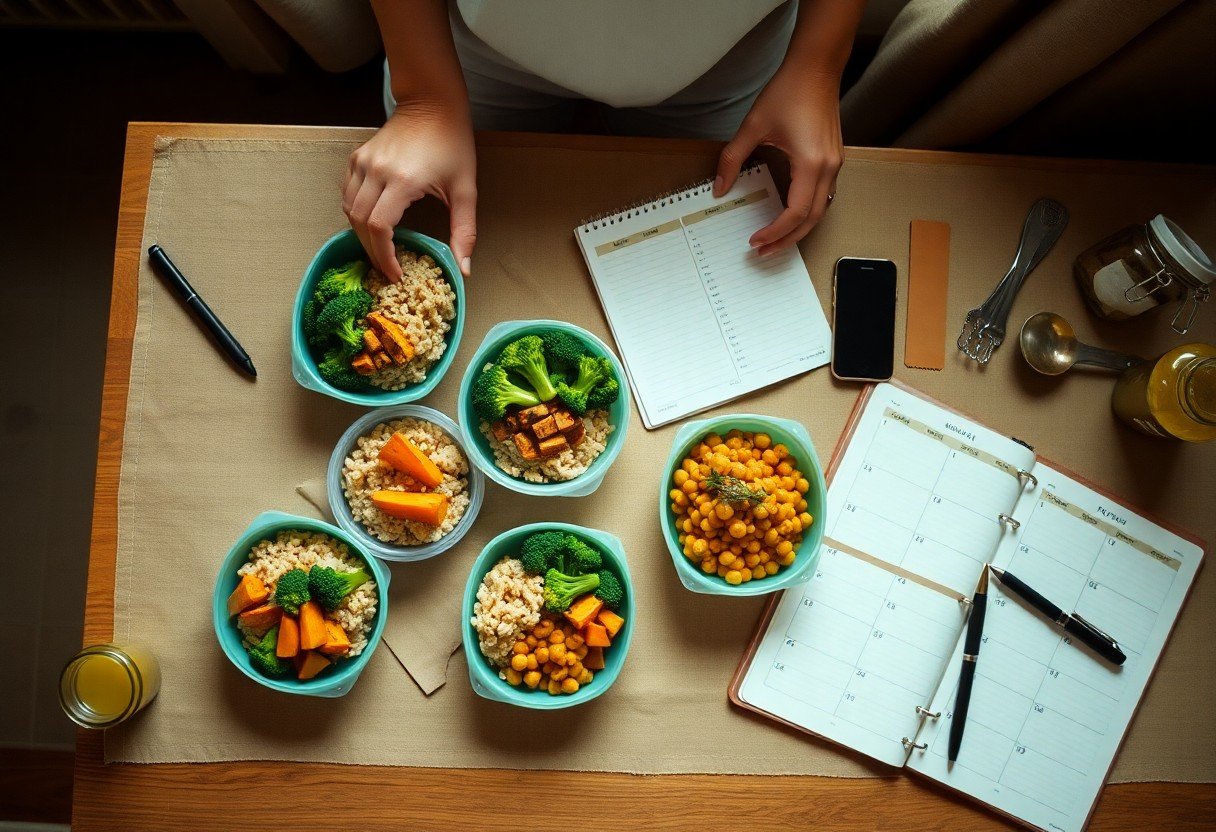
Map out the week by slotting 5 lunches, estimating portions and a single grocery list so you can batch-cook efficiently. You should set aside 60-90 minutes on Sunday, prioritize 3 proteins, 2 whole grains, and 3 vegetables, and buy containers sized for 400-600 kcal portions. Doing this can save 3-5 hours per week while keeping nutrition consistent and costs down.
Assessing Your Weekly Schedule
Scan your calendar for meetings, travel, and gym sessions to decide which days need grab-and-go versus reheatable meals. If you’ll be without refrigeration for >2 hours, avoid dairy-based sauces and choose stable proteins like canned tuna or hard-boiled eggs. For 30-60 minute lunches you plan to reheat, prioritize microwavable containers and single-serve portions to speed up midday routines.
Choosing Healthy Recipes
Target lunches of 400-600 kcal with 25-35g protein, 1-2 fist-sized servings of whole grains, and at least 1-2 cups of vegetables. Examples: a bowl with 4 oz grilled chicken, ½ cup quinoa, 1 cup roasted broccoli; or a lentil stew with 1 cup cooked lentils and mixed greens. Vary spices and sauces to prevent flavor fatigue while keeping portion control consistent.
Batch-friendly options work best: roast 2 lb chicken yields about six 4 oz portions, and a 4-cup lentil pot serves four lunches. Mix-and-match bases (brown rice, farro, greens) plus 2-3 dressings let you create 10 different meals from a few components. Follow food-safety steps: cool within 2 hours, store at ≤40°F, and reheat to 165°F to avoid spoilage and keep meals safe for the week.
Essential Tips for Meal Prep Success
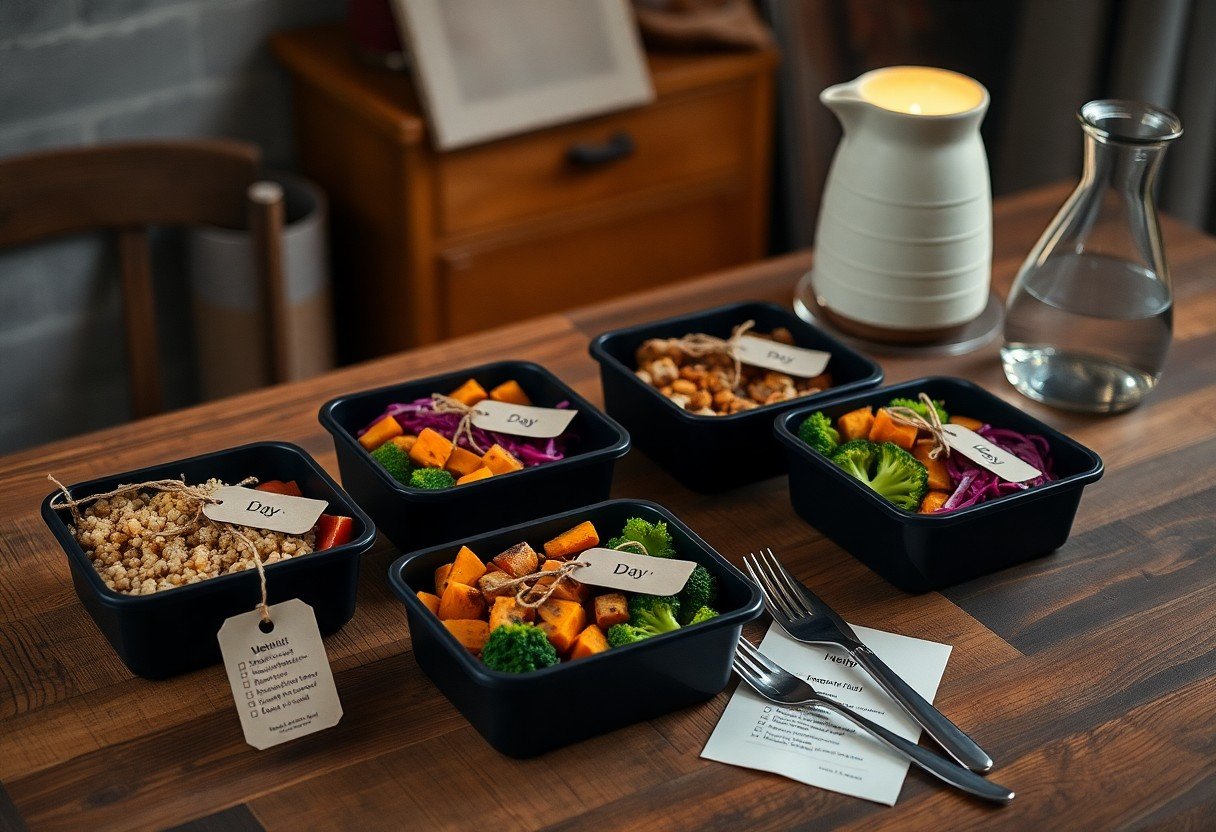
You streamline meal prep by planning proteins, grains, and vegetables for variety and nutrient balance; aim for 3 proteins, 3 grains, and 5 colorful veggies across five days. Rotate flavors-Mexican, Mediterranean, and Asian-to avoid fatigue. Pack containers by portion to keep healthy lunches consistent. Any system works best when you inventory staples, set a 90-minute cook window, and label containers with dates.
- You map 5 lunches with one protein, one grain, and two veggies.
- You use batch cooking for staples-cook 4 cups rice, 2 lb chicken, and roast 3 trays of veggies.
- You enforce food safety: cool within 2 hours and store at ≤40°F (4°C).
- You label with dates so healthy lunches rotate and nothing sits beyond 4 days.
Shopping List Creation
You build a precise shopping list by grouping items into proteins, grains, produce, and condiments; aim for 3 proteins (e.g., 1 lb salmon, 2 lb chicken, 1 block tofu), 3 grains (2 cups dry quinoa, 4 cups rice), and enough produce for 10 portions. Use a shared app or spreadsheet to track quantities, prioritize sales to stay on a budget, and add a 10% buffer for spoilage or extra meals.
Efficient Cooking Techniques
You speed through prep with efficient cooking: roast mixed veggies at 425°F for 20-25 minutes, cook grains in a rice cooker for hands-off timing, and use one-pan proteins to save cleanup. Set overlapping timers, chop produce in 20-minute windows, and restore moisture when reheating rice by adding a tablespoon of water per serving.
You maximize yield by using an Instant Pot for beans (40 minutes) and a 2-inch-deep sheet pan for traybakes that serve 4-6; batch-portion meals into 5 equal servings to control macros. Protect against hazards: use separate cutting boards for raw meat, sanitize surfaces between tasks, and verify internal temps with an instant-read thermometer-chicken to 165°F (74°C). That approach often saves 60-90 minutes weekly.
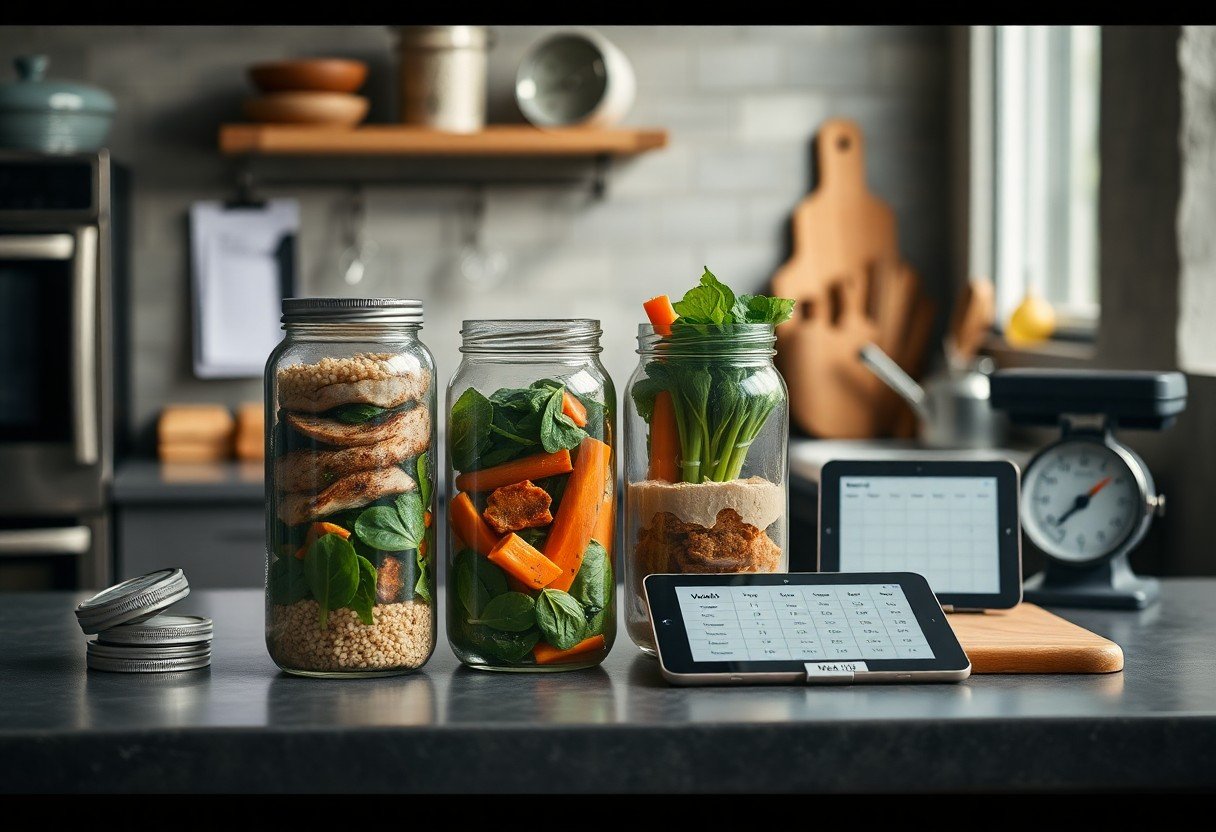
Factors to Consider for Balanced Lunches
Balance hinges on mixing macronutrients and fiber-focus portions and variety:
- protein (20-30 g)
- fiber (≥8 g)
- healthy fats (1-2 tbsp)
- complex carbs (½-1 cup)
- vegetables (1-2 cups)
Any meal should deliver satiety, micronutrients, and quick reheating options for the week.
Nutritional Guidelines
You should aim for roughly 400-600 kcal per lunch with a macronutrient split near 30% protein, 40% carbs, 30% fat; for example, 4 oz grilled chicken, ¾ cup quinoa, and 1-2 cups mixed greens meets that profile. Include sources of vitamin C with iron-rich ingredients to boost absorption, and keep added sodium under 800 mg if you monitor blood pressure.
Portion Control
You can use your hand for quick measures: a palm for protein (~3-4 oz), a fist for vegetables (~1 cup), a cupped hand for carbs (~½-1 cup), and a thumb for fats (~1 tbsp); if you prep five lunches, weigh staples once to standardize servings and hit your targets.
When you prep, favor 3-compartment containers so portions are visually enforced-try a 40/30/30 split (veg/protein/carbs) to land near 400-600 kcal for most adults. Track one week to see if you remain satisfied; if hunger returns in under two hours, add ~10-15 g protein or an extra tablespoon of healthy fats. For weight loss aim for a daily deficit of 300-500 kcal, and for muscle gain add 150-300 kcal with extra protein. Beware dressings and nuts: small portions can add 200-300 kcal quickly.
Organizing Your Meal Storage
Containers and Labeling
Choose stackable, airtight containers so you can fit five lunches in a single shelf without spills; prefer glass for reheating and BPA-free plastic for lightweight portable meals. Measure portions into 1-2 cup containers to control calories, and write the prep date plus reheating time on each lid. If you use compartments, keep sauces separate to preserve texture and food safety.
- Airtight seals prevent leaks and slow oxidation.
- Portion sizes of 1 cup or 2 cups simplify calorie tracking.
- Labeling should include prep date and reheating temperature.
- Thou label each container with contents, date, and any allergy notes.
Freezing and Refrigeration Tips
Chill cooked meals to below 40°F (4°C) within two hours, then refrigerate for up to 3-4 days; freeze at 0°F (-18°C) to keep meals longer. Cool soups and grains in shallow pans for faster, safer cooling, and separate single-serve portions so you only thaw what you need. Use freezer-grade bags or vacuum sealers to reduce freezer burn.
Flash-freeze trays of chicken, rice, or roasted vegetables for 1-2 hours before bagging to prevent clumping; proteins generally keep 2-6 months frozen while cooked grains stay best 2-3 months. Label each pack with the freeze date and reheating instructions, and thaw overnight in the fridge for even heating. Avoid refreezing thawed meals to minimize bacterial growth and quality loss.
- Fridge temp at or below 40°F (4°C) for short-term storage.
- Freezer temp at 0°F (-18°C) preserves quality longer.
- Portioning into single-serve packs cuts waste and speeds thawing.
- Thou avoid refreezing partially thawed meals to limit food-safety risk.
Reheating and Serving Your Meals
When it’s time to eat, focus on targeted reheating and quick finishing touches: reheat dense proteins and grains to 165°F (74°C) for safety, while leafy greens, dressings, and fresh toppings should be added just before serving. Use the oven or skillet to restore crispness (350°F for 8-12 minutes or 2-3 minutes in a hot skillet), and portion into serving containers so you only heat what you’ll eat to limit bacterial growth and maintain texture.
Best Practices for Reheating
Use a probe thermometer to confirm the center reaches 165°F (74°C); in a microwave, heat in 60-90 second bursts and stir between intervals to eliminate cold spots. Thaw frozen lunches overnight in the fridge, reheat only once, and discard rice or noodles kept over 24 hours or reheated repeatedly because of Bacillus cereus risk. Opt for covered containers to retain moisture and avoid metal in microwaves.
Enhancing Flavor and Freshness
Add a splash of acid (½-1 tsp lemon or vinegar), a handful of fresh herbs, or a drizzle of high-quality olive oil after reheating to lift flavors instantly. Steam-sensitive items benefit from a teaspoon of water before microwaving to prevent dryness, and finish proteins in a hot pan for 1-3 minutes to restore Maillard browning. Pack crunchy toppings separately to preserve texture.
For specific combos: squeeze 1 lemon and toss chopped parsley into grain bowls, reheat chicken covered to 165°F then sear 90-120 seconds per side for crisp skin, and revive soups with 2-4 tbsp stock simmered 3-5 minutes. Keep dressings and greens separate; cold additions like sliced cucumbers or toasted nuts added at serving boost freshness and contrast without reheating.
Staying Motivated and Consistent
You can keep momentum by tracking wins and using systems that make decisions easy: schedule a 90‑minute session each Sunday, pick three proteins to rotate, and plan two new recipes monthly. When you need inspiration, use A meal-prep plan for five days of healthy lunches for a proven weekly template. Consistent routines cut stress and save about 3-4 hours weekly.
Setting Goals
You should set SMART targets: aim to prep lunches for 5 days, include at least 25-35g protein per meal, and keep prep under 90 minutes weekly. Track one metric-calories, protein, or variety-and adjust every two weeks. Small, measurable targets boost adherence and make healthy swaps easier.
Overcoming Common Challenges
You will hit obstacles like boredom, time crunches, and spoilage; solve them by rotating five sauces, using airtight glass containers, and freezing portions for days 4-5. When time is tight, batch-cook 2-3 proteins and mix-and-match sides-this shrinks weekly prep to under 90 minutes. Prioritize temperature-safe containers and clear labeling to avoid waste.
If food boredom strikes, rotate bases-quinoa, farro, brown rice-and change dressings weekly; try cumin‑lime, tahini‑lemon, or soy‑ginger. For time, follow a 3‑station workflow: protein (45 min), grains (20 min), veggies (25 min) so tasks overlap. If storage is limited, freeze two lunches in vacuum bags and thaw overnight. Tracking spoilage shows most issues occur on day 4, so plan freezer swaps to keep all five lunches fresh.
To wrap up
Considering all points, you can make Meal Prep Sunday efficient by choosing balanced templates, batch-cooking proteins and grains, prepping versatile vegetables and sauces, portioning into labeled containers, and rotating flavors to avoid boredom; plan a shopping list, set one prep block, and tweak portions to match your appetite so your five lunches stay healthy, varied, and stress-free all week.
FAQ
Q: How do I choose which lunches to prep for five days?
A: Start by defining dietary goals (calorie range, protein needs, allergies) and the types of meals you enjoy. Prioritize make-ahead friendly formats: grain bowls, sheet-pan meals, stews, casseroles, mason-jar salads with dressing separated, and wraps with sturdy fillings. Pick 3-4 core recipes that share cooking methods or ingredients (for example: roasted chicken, baked tofu, quinoa, and roasted vegetables) so you can batch-cook efficiently. Include at least one meal that keeps well for the full week or can be frozen and reheated, and plan one meal that you assemble the morning of (fresh greens, pre-cooked protein, and dressing) to preserve texture.
Q: How should I build a balanced lunch that stays satisfying all week?
A: Aim for a simple plate composition: protein (20-30 g or 4-6 oz cooked), complex carbohydrate (½-1 cup cooked grain or starchy vegetable), plenty of vegetables (2+ cups), and a source of healthy fat (1-2 tbsp oil, avocado, or nuts). Include fiber-rich ingredients like beans, lentils, whole grains, or cruciferous vegetables to support fullness. Use sauces and fats sparingly but purposely (tahini, vinaigrette, pesto) stored separately if possible to avoid sogginess. Example: grilled salmon (protein) + ¾ cup quinoa (carb) + roasted broccoli and carrots (veggies) + 1 tbsp olive oil and lemon (fat/dressing).
Q: What is an efficient grocery list and Sunday prep workflow for five lunches?
A: Create a categorized shopping list: produce, proteins, grains/legumes, dairy/eggs, pantry, condiments. Buy some time-savers like pre-washed greens or canned beans if needed. On Sunday, follow this workflow: 1) Preheat oven and roast root vegetables and proteins that take longest. 2) Cook grains and legumes (instant pot or rice cooker frees hands). 3) Sauté or steam quick vegetables and blanch greens. 4) Prepare dressings/sauces and portion them. 5) Assemble meals or portion components into containers. Use multitasking (oven + stove + appliance) to shorten total time. Portioning tip: 4-6 oz protein per container, ½-1 cup cooked grain, fill rest with vegetables; label containers with date and contents.
Q: How should I store and reheat meals so they remain safe and tasty for five days?
A: Cool cooked food quickly-within two hours-by spreading in shallow containers before refrigerating. Store most prepared meals in airtight containers in the fridge for up to 3-4 days; for a full five days, either freeze portions on Sunday and thaw mid-week or separate perishable components (keep greens and dressings separate until day-of). Reheat leftovers to 165°F (74°C) in the microwave covered or on the stovetop; if microwaving, stir mid-cycle for even heating. Use glass or BPA-free plastic containers, and add crisp elements (nuts, seeds, citrus, fresh herbs) just before eating to restore texture.
Q: How can I keep variety and avoid getting bored with five lunches from one prep session?
A: Build modular components you can mix-and-match: two proteins, two grains, three vegetable mixes, and several sauces. Change flavors by swapping dressings or spice blends (Mediterranean, Asian, Mexican). Add fresh toppings day-of-chopped herbs, pickles, crunchy seeds, citrus zest-or heat one meal and serve another cold. Plan theme days (grain bowl, salad jar, wrap, warm casserole, soup) to change textures. Small tweaks like switching from quinoa to farro, adding a curry sauce, or topping with feta instead of avocado create perceived variety without extra prep work.