
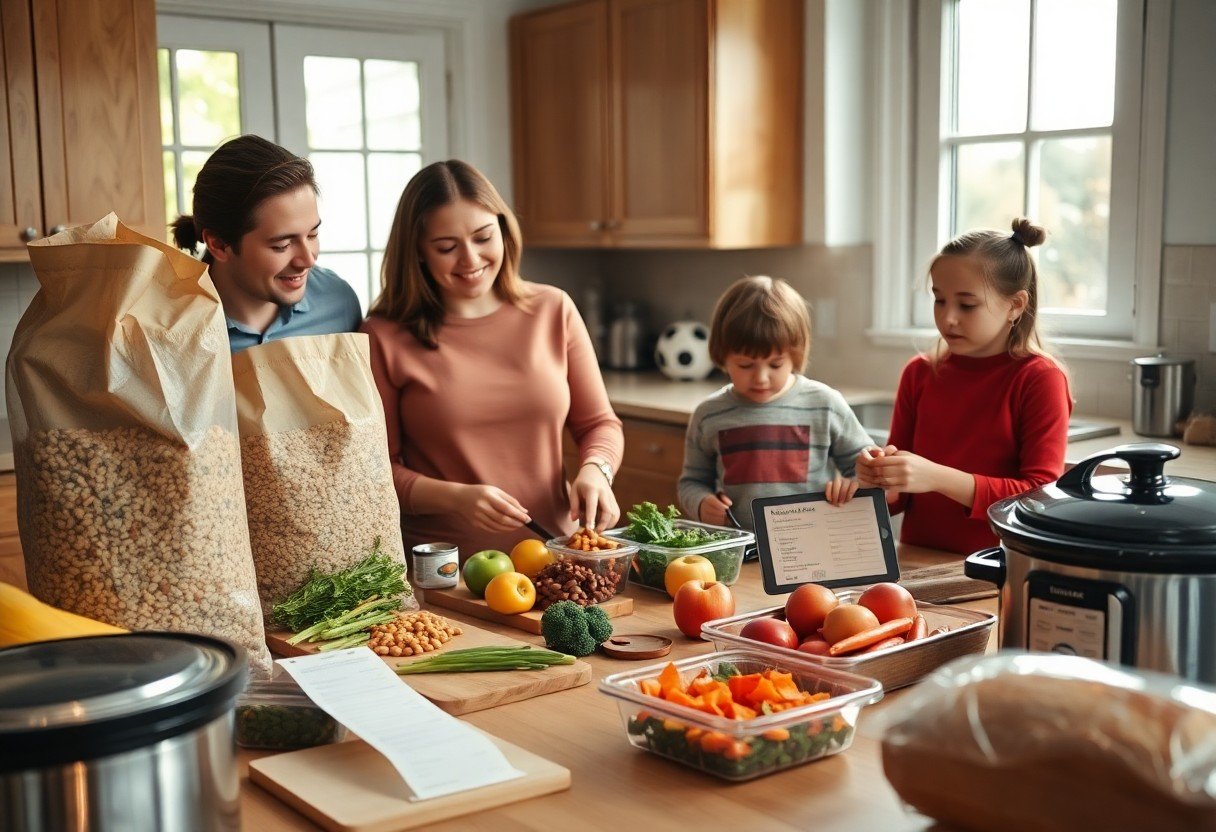
It’s possible to feed your family well on a typical US income by planning meals, buying seasonal produce, and using staples that stretch further; when you focus on nutrient-dense, low-cost foods and simple batch cooking, you save money and improve health, while prioritizing food safety prevents dangerous spoilage-this guide gives practical strategies you can use to shop smart, reduce waste, and prepare balanced dinners your kids will eat.
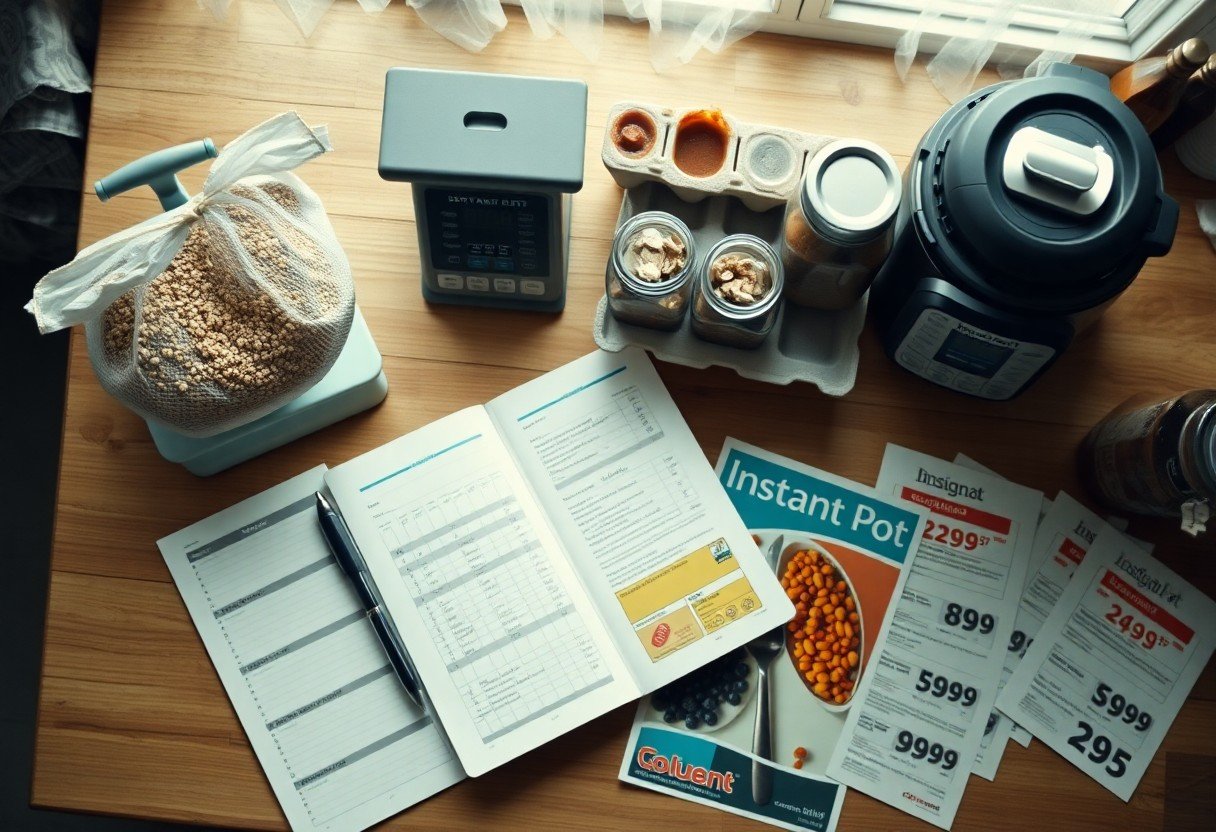
Key Takeaways:
- Plan weekly menus around inexpensive staples (rice, beans, oats), buy seasonal or frozen produce, and choose store brands to stretch the grocery budget without sacrificing nutrition.
- Cook large batches and repurpose leftovers into new meals (stews, bowls, frittatas) to save time and reduce food waste while keeping meals varied.
- Prioritize affordable protein sources-eggs, canned fish, legumes, and bulk poultry-paired with vegetables and whole grains for balanced, family-friendly meals.

Understanding Budget-Friendly Meal Planning
When you plan meals around staples like rice, beans, eggs and frozen vegetables, you align nutrition with cost and reduce waste. Families regularly save 10-30% on grocery bills by choosing a weekly menu, buying in bulk, and using leftovers intentionally. Watch for the biggest drain: convenience foods and unplanned takeout, then replace them with simple swaps (e.g., rotisserie chicken used for three meals) to stretch both the food and your budget.
Importance of Meal Planning
Meal planning cuts impulse purchases and food waste, so you spend less and eat better; many households report weekly savings around 15%. By mapping 5-7 dinners and two planned leftovers, you control portions and avoid that costly last-minute pizza. You also build predictable shopping lists, which lets you compare unit prices, stack coupons, and prioritize nutrient-dense, low-cost ingredients like lentils and seasonal produce.
Strategies for Budgeting
Use concrete tactics: check unit price per ounce, aim for 2 meatless dinners weekly, and favor bulk proteins (1 lb dried beans yields ~6-8 servings). Shop weekly with a list, buy frozen when out-of-season, and sign up for store loyalty apps for targeted discounts. Simple swaps – canned tomatoes instead of fresh for sauces, or oats for expensive granola – drop per-meal cost without hurting nutrition.
Apply a repeatable routine: pick 4 base recipes, rotate proteins, and batch-cook one large protein (like a 3-4 lb roast or 2 lb lentils) to create 3-4 meals. Keep an inventory on your phone to avoid doubles and note prices to track savings; for example, a 5 lb bag of rice often costs under $5 and yields 20-25 servings, making it a reliable low-cost backbone. Emphasize batch cooking, price-tracking, and 24-hour meal prep windows to sustain savings long-term.
Nutritional Needs for Families
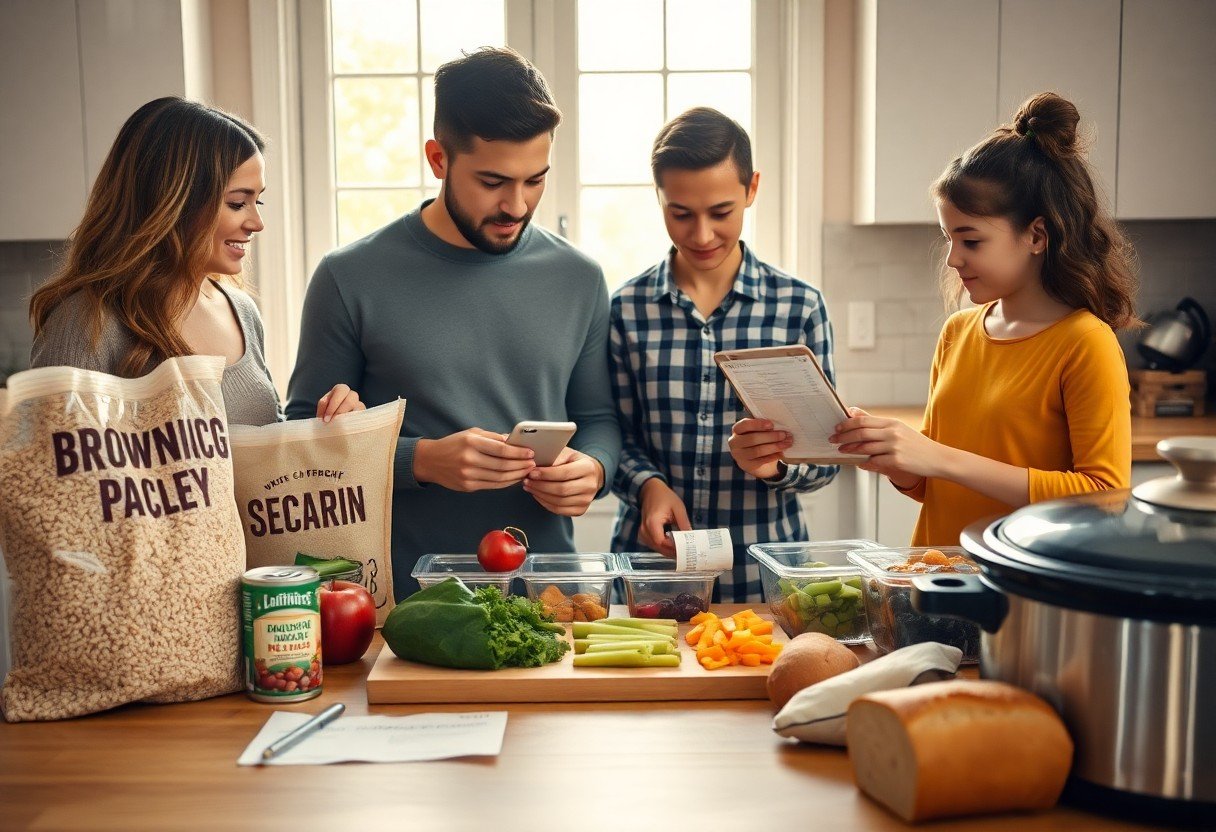
When feeding a family on a tight budget, prioritize nutrient-dense staples like whole grains, legumes, frozen vegetables and fortified dairy or alternatives; these stretch dollars while supplying iron and vitamin D. You can crowdsource recipes and swaps via On a fixed income. Need ideas of Cheap healthy meals …. Watch excess sodium and added sugars, and aim to include protein at every meal to keep kids and adults full and energized.
Balancing Macros and Micros
Aim for roughly 45-65% carbs, 10-35% protein, 20-35% fat of daily calories; adults typically need 25-38 g fiber and at least 0.8 g protein/kg body weight. You should combine inexpensive protein sources-canned tuna, eggs, beans-with whole grains (brown rice, oats) and a tablespoon of healthy fat (olive oil, nuts) to optimize absorption of fat‑soluble vitamins. Limit saturated fat to under 10% of calories.
Kid-Friendly Nutrition
Serve colorful, bite-sized portions so your child accepts new foods: offer 1-2 tablespoons of a new vegetable alongside familiar favorites, and include calcium-rich choices like milk or fortified plant milk for bone growth. Most kids need between 1,200-2,000 kcal depending on age/activity; keep snacks protein-forward (yogurt, hummus) to curb grazing and excess sugar.
For portion guidelines, give toddlers about ¼-½ of an adult portion and school‑age children around ⅔; pack lunches with a protein, fruit, vegetable and whole grain (example: turkey roll‑ups, apple slices, carrot sticks, whole‑wheat tortilla). Rotate iron sources-beans, fortified cereal, lean meats-and offer vitamin C (orange wedges) to improve iron absorption.
Affordable Ingredients
You can shave grocery bills by pairing seasonal produce with bulk staples: substituting a 10-15 lb bag of rice and a 4-8 lb bag of dried beans for frequent meals often lowers cost-per-serving dramatically. For many families, following this approach brings average dinner costs down to roughly $1.50-$3.00 per person, while keeping meals balanced with vegetables, protein, and whole grains. Prioritize items that store well and watch for store sales and coupons to amplify savings.
Seasonal Produce
Buy produce in season-tomatoes, zucchini, and berries in summer; apples, squash, and pears in fall; citrus and root vegetables in winter-because prices can be 20-50% lower and flavors are better. If your freezer is available, you’re often better off buying sale-priced fruit or vegetables and freezing portions: frozen spinach, corn, and mixed berries retain nutrients and cut waste when recipes call for small amounts.
Staple Pantry Items
Stock up on rice, dried beans, lentils, oats, pasta, canned tomatoes, and inexpensive oils-these basics cost pennies per serving when bought in bulk. For example, a 25 lb bag of long-grain rice or a 10 lb bag of pinto beans from warehouse retailers can reduce unit prices by 30-60%, letting you plan versatile, filling meals without frequent shopping trips.
Store staples in airtight containers and label with purchase dates to prevent spoilage and pest issues; moisture and pests are the main threats to bulk grains. Cook large batches (a 3-4 cup dry-bean pot yields 10+ servings) and freeze portions to save time and avoid waste. Comparing unit prices-per ounce or per pound-lets you spot real bargains, and rotating older items forward keeps quality high while stretching every dollar.
Weekly Meal Ideas
Breakfast Options
Rotate quick, cheap breakfasts like overnight oats, scrambled eggs with spinach, and whole-wheat toast with peanut butter so you avoid morning decision fatigue. A jar of rolled oats can yield 10-12 servings for under $4, and eggs often run $1.50-$3 per dozen depending on region. If you use raw eggs in smoothies, avoid foodborne risk by using pasteurized eggs or cooking them, and buy fruit on sale to trim costs.
Lunch and Dinner Recipes
Build dinners around bulk staples: a bean chili that feeds six for about $8-$10, a sheet-pan chicken with root vegetables serving four for ~$12, and vegetable stir-fries using frozen veggies to save 30-50% versus fresh. You should batch-cook and freeze portions so you save time and reduce waste. When handling poultry, protect against cross-contamination and cook to 165°F to prevent illness.
For example, a simple turkey-and-black-bean chili-1 lb ground turkey ($3-$4), two 15‑oz cans black beans ($1.50 total), one 28‑oz can tomatoes ($1), onion and spices ($1)-yields 6-8 servings, about $0.75-$1.00 per serving. You can freeze single portions, reheat in 3-4 minutes, and stretch protein by adding lentils or extra beans to lower cost per meal further.
Tips for Cooking on a Budget
- Meal planning: map dinners to shared ingredients to cut costs.
- Seasonal produce: buy what’s in season or frozen for better prices.
- Bulk buying: stock staples like rice, beans, oats in larger bags.
- Affordable protein: use eggs, canned tuna, and dried legumes to stretch meals.
- Leftovers: repurpose tonight’s dinner into tomorrow’s lunch.
You can lower your weekly grocery bill by planning two repeat meals, buying frozen vegetables when prices spike, and choosing staples in bulk-many store-brand 5‑lb rice bags run about $4-6 and dried beans often cost under $2 per pound; portion proteins so a chicken breast serves two meals. The payoff is consistent: healthier meals for less without extra time each day.
Batch Cooking and Freezing
You should cook large batches-make a 6‑quart pot of chili or a sheet‑pan roasted vegetables and divide into 2‑cup portions to freeze in airtight containers; label with date and contents. Reheat from frozen or thaw overnight; ensure the internal temperature reaches 165°F when reheating. You’ll cut weekday prep to minutes and avoid costly takeout.
Minimizing Food Waste
You can turn scraps into value: save onion skins, carrot tops, and herb stems to simmer into 6-8 cups of stock and freeze portions, blanch herbs into oil cubes, and keep apples away from potatoes to slow ripening. Use a simple first in, first out rotation so older items get used first.
Set your fridge to 40°F or below and your freezer to 0°F; cool cooked food to under 40°F within two hours and store leftovers in shallow containers-they’re safe 3-4 days refrigerated or up to 3 months frozen for best quality. Label items with dates, schedule two weekly leftover meals, and repurpose odds-and-ends into soups, frittatas, or casseroles to stretch each grocery dollar.
Resources for Budget-Friendly Recipes
Use cookbooks, websites, and local initiatives to stretch your grocery dollars while keeping nutrition high. You’ll find targeted resources-like community classes, SNAP-eligible recipes, and farmers-market incentives-that make healthy meals affordable; combining online budget tools with local programs often lowers per-meal cost and improves variety.
Cookbooks and Websites
You can rely on specific titles and sites: Good and Cheap (free PDF) and Budget Bytes show low-cost, nutritious recipes with cost-per-serving breakdowns; America’s Test Kitchen and Serious Eats teach substitutions to reduce waste; USDA MyPlate and SNAP-Ed offer simple meal plans tied to nutrition guidance. Use site filters to sort by ingredient or price, and watch sodium and added sugars in convenience recipes.
Community Programs and Initiatives
Local and federal programs add real buying power: SNAP serves roughly 42 million people monthly, while WIC and SNAP-Ed target families with young children and nutrition education. Community food banks, Cooking Matters classes, and incentives like Double Up Food Bucks at farmers markets stretch dollars and increase produce access. Be aware that income and documentation limits affect eligibility.
To access these options, start at your state SNAP website or dial 2-1-1 to find pantries and enrollment sites; bring ID, proof of income, and addresses when applying. Attend Cooking Matters or Cooperative Extension workshops for hands-on budgeting and pantry-smart recipes; many farmers markets accept EBT and run produce-matching programs that stretch each SNAP dollar and boost fresh produce purchases.
Summing up
From above, you can feed your family nutritious meals on a US income by planning menus, buying staples in bulk, prioritizing seasonal and frozen produce, and focusing on plant-forward, cost-effective proteins like beans and eggs. Batch-cook, use unit pricing and coupons, and repurpose leftovers to reduce waste; with consistent habits you’ll stretch your food budget while keeping meals balanced and satisfying.
FAQ
Q: How do I plan weekly budget-friendly healthy meals for a family on a US income?
A: Build a simple weekly plan around low-cost staples (rice, oats, potatoes, pasta, beans, lentils) and one or two affordable proteins. Create theme nights (e.g., soup night, taco night) to reduce decision fatigue and simplify shopping. Make a list from recipes, check pantry for staples to avoid duplicates, and plan 1-2 meals that intentionally use leftovers (roast → sandwiches or soup). Aim for balanced plates: a grain, a vegetable, and a protein or legume. Estimate costs while planning by using unit prices so you can swap items to stay within budget.
Q: What shopping strategies save the most on groceries while keeping meals healthy?
A: Buy store brands and bulk items (rice, oats, dried beans) for lower per-unit cost; use frozen vegetables and fruits, which are often cheaper and nutritionally comparable to fresh. Compare unit prices on shelf labels and use apps or store circulars for sales and digital coupons. Shop seasonal produce and consider discount grocers (ALDI, Lidl) or warehouse clubs for staples if storage space allows. Avoid pre-cut, pre-packaged convenience items; cook from whole ingredients. Limit impulse buys by sticking to your list and eating a small snack before shopping.
Q: How can I stretch protein so meals stay filling without overspending?
A: Combine smaller portions of animal protein with plant proteins and vegetables: mix ground meat with beans in chili or tacos, add lentils to soups and bolognese, or use chickpeas in salads and curries. Rely on inexpensive proteins like eggs, canned tuna, tofu, dried or canned beans, and whole chickens (roast and repurpose). Use bone-in cuts or cheaper roasts for flavor and stretch them into stews and soups. Incorporate protein-rich grains like quinoa occasionally, and top meals with a modest amount of cheese or nuts to boost satiety without high cost per serving.
Q: What are practical batch-cooking and storage tips to save time and money?
A: Cook large batches of grains, beans, and a versatile sauce or roasted vegetables once or twice weekly and portion into meal-sized containers. Freeze single-portion meals (soups, casseroles, stews) in labeled containers to reduce waste and provide quick dinners. Cool foods quickly, refrigerate within two hours, and use cooked items within 3-4 days or freeze for 2-3 months depending on the dish. Use slow cookers and instant pots to turn cheap cuts into tender meals with minimal hands-on time. Repurpose leftovers into new dishes (stir-fry, wraps, salads) to keep meals interesting.
Q: How can I feed picky children nutritious meals on a tight budget?
A: Serve new foods alongside familiar favorites and offer small portions without pressure. Incorporate veggies into sauces, scrambled eggs, smoothies, or blended soups to increase intake without confrontation. Keep fruit, yogurt, peanut butter, hummus, and sliced vegetables available for easy, healthy snacks. Use whole grains (oats, whole-wheat pasta, brown rice) and affordable proteins like eggs and beans. Utilize school meal programs, WIC, and SNAP benefits when eligible, and check local food pantries or community kitchens for supplemental help to stretch the household food budget.