
Author name: Alex Morgan

Advocating for inclusive health information for all genders and life stages.

The Impact of Blue Light & Screens on Sleep Quality

The Impact of Blue Light & Screens on Sleep Quality (And What to Do)

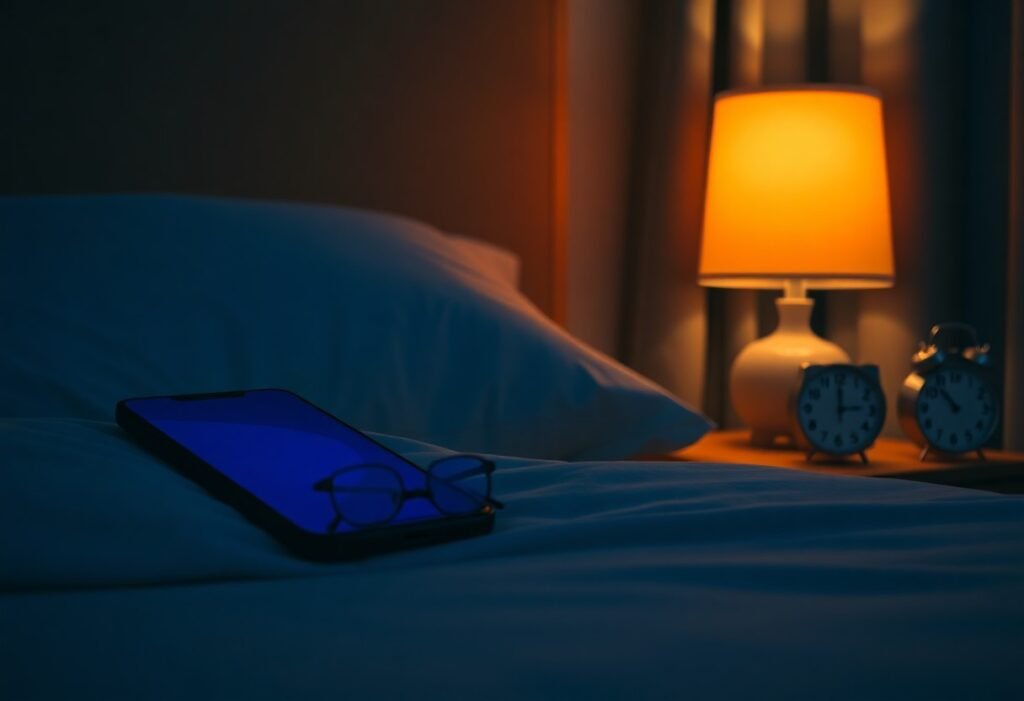
Over the evening, exposure to screens can seriously harm your sleep: blue light suppresses melatonin and shifts your circadian rhythm, making it harder to fall asleep. You can protect your sleep by using blue-light filters or night modes, dimming screens, and avoiding devices 60-90 minutes before bed. Small changes to your screen habits can produce […]

The Impact of Blue Light & Screens on Sleep Quality (And What to Do) Read More »

Power Naps in the US – When They Help & When They Hurt

Power Naps in the US – When They Help & When They Hurt

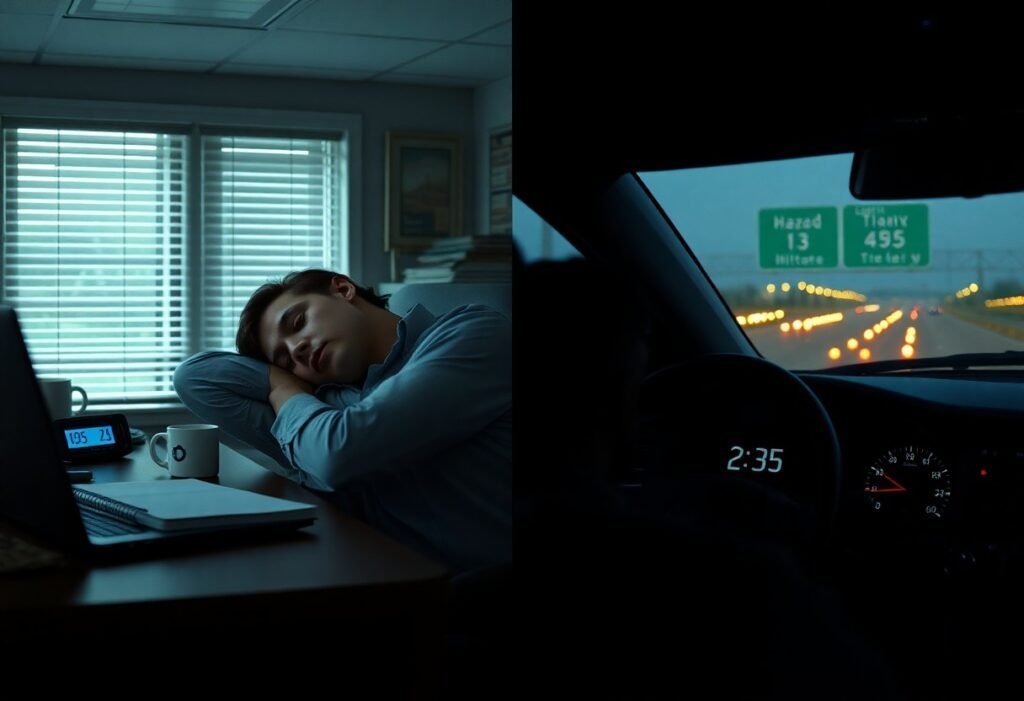
Productivity often improves when you take a brief nap; short naps (10-20 minutes) reliably boost alertness, mood, and cognitive performance, while long naps risk sleep inertia and can disrupt nighttime sleep, especially if you nap late. Plan naps for early afternoon or before critical tasks so your energy and focus recover quickly without undermining nighttime

Power Naps in the US – When They Help & When They Hurt Read More »

Why Your Mattress Could Be Ruining Your Sleep-and When to Replace It

Why Your Mattress Could Be Ruining Your Sleep-and When to Replace It

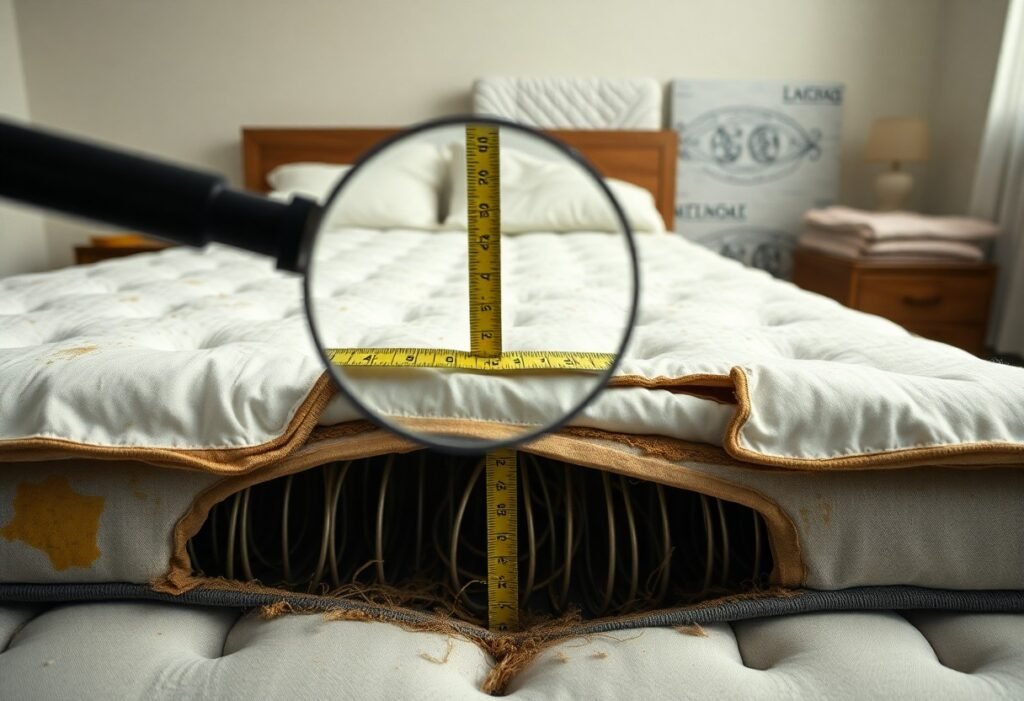
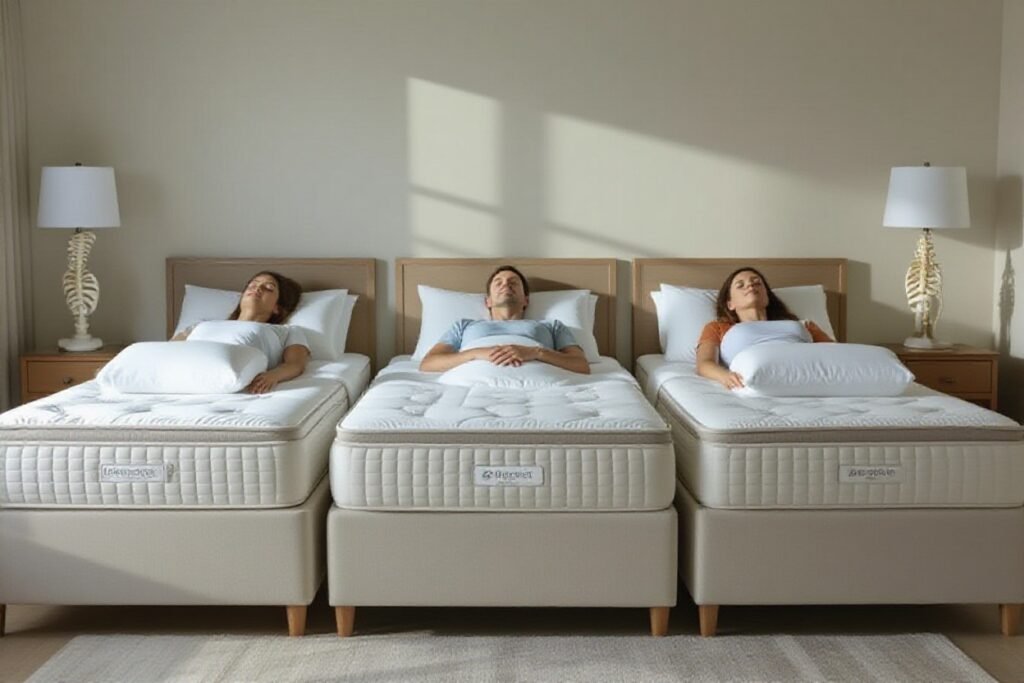
Just because your mattress looks fine, it can still be wrecking your rest: if you wake stiff, snore more, or battle allergies, worn padding, sagging, and poor support may be to blame. You should watch for visible dips, persistent pain, or sinking that disrupts alignment. Replacing a mattress can bring better spinal alignment, reduced allergies,

Why Your Mattress Could Be Ruining Your Sleep-and When to Replace It Read More »

Sleep Tracking Apps vs. Real Sleep Hygiene

Sleep Tracking Apps vs. Real Sleep Hygiene – What’s Worth It?

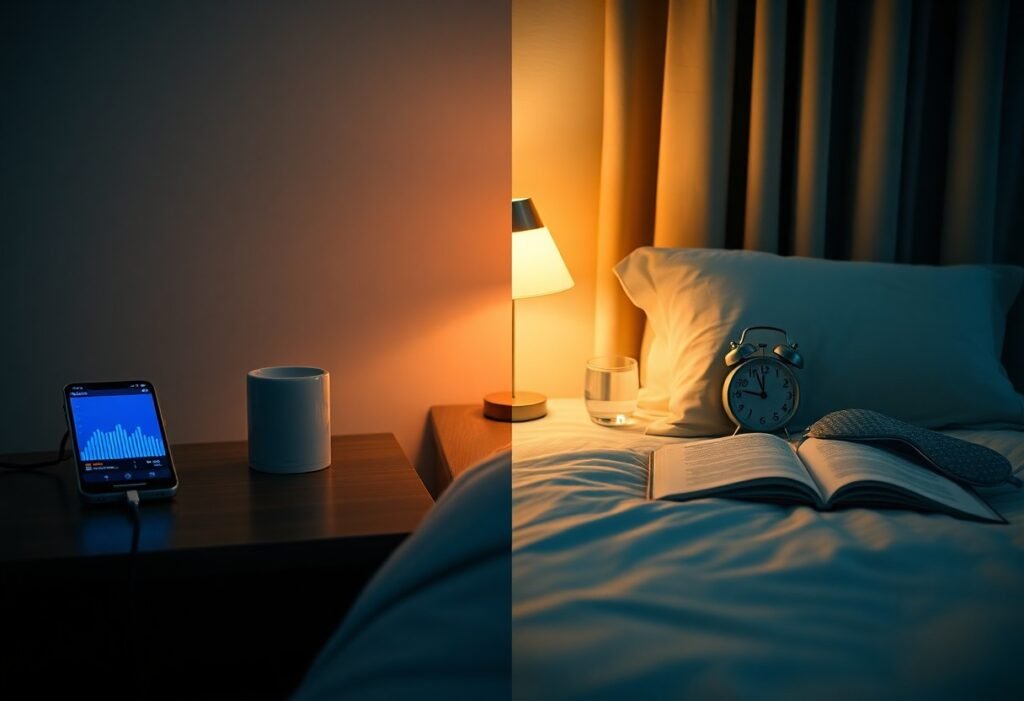
There’s a practical balance to strike when you weigh sleep-tracking apps against behavioral sleep hygiene: apps can give you data and pattern insights, but they often misclassify sleep and create false confidence, while consistent habits-fixed bedtimes, light control, and limiting stimulants-deliver the most dependable improvement. You should use apps as tools to inform your routines,

Sleep Tracking Apps vs. Real Sleep Hygiene – What’s Worth It? Read More »

Sleep Position Guid

Sleep Position Guide – What’s Best for Your Back, Neck & Health

Posture determines how well you recover overnight and whether your spine and neck stay healthy; this guide helps you choose positions that support spine alignment, reduce risk of chronic neck pain, and promote improved breathing. You learn which positions ease pressure on your back, which to avoid if you have pain, and simple adjustments to

Sleep Position Guide – What’s Best for Your Back, Neck & Health Read More »

Anxiety vs GAD: Know the difference between normal worry and generalized anxiety disorder. Learn symptoms and when to seek professional help.

Anxiety vs Generalized Anxiety Disorder – Knowing When to Get Help

Help is available when your worry is persistent, excessive, and causes functional impairment; you should seek professional help if symptoms like restlessness, fatigue, or sleep disruption persist for months, because effective treatments and coping strategies can reduce danger and restore your quality of life. Key Takeaways: Understanding Anxiety Definition and Types of Anxiety anxiety ranges

Anxiety vs Generalized Anxiety Disorder – Knowing When to Get Help Read More »

From Burnout to Balance - A Guide for US Professionals

From Burnout to Balance – A Guide for US Professionals

You face chronic workplace stress that can erode your health and performance; this guide gives clear, evidence-based steps to help you identify warning signs, set boundaries, and implement daily recovery routines. You’ll learn actionable strategies for workload management, sleep, and stress reduction, plus guidance on when to seek professional help for serious mental or physical

From Burnout to Balance – A Guide for US Professionals Read More »

How Nature & Outdoor Time Reduce Stress – Backed by Science

How Nature & Outdoor Time Reduce Stress – Backed by Science

Nature lowers physiological arousal and mental fatigue, so when you spend time outdoors your cortisol levels drop and your blood pressure decreases, producing measurable stress relief. Scientific studies show that regular exposure to green or blue spaces improves mood and attention and speeds recovery after stressful events, helping reduce the long-term risks of heart disease

How Nature & Outdoor Time Reduce Stress – Backed by Science Read More »

Apps & Wearables That Help Track Stress – Worth the Investment?

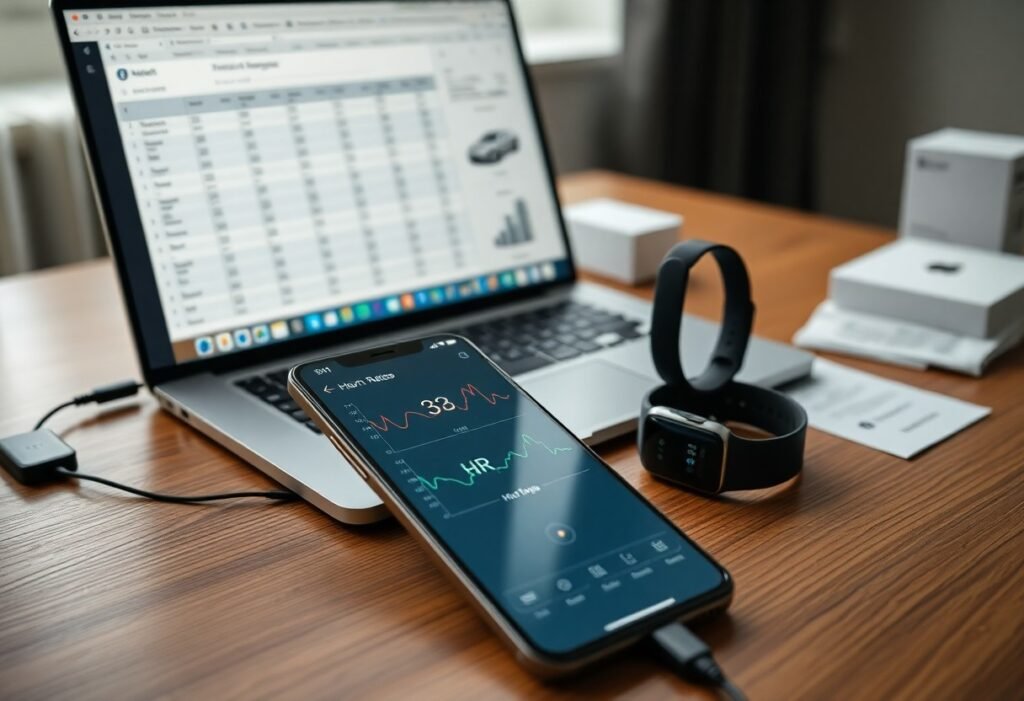
Apps and wearables can give you continuous insight into stress patterns, but you should weigh benefits against limits: they can reveal hidden chronic stress that raises heart disease and mental health risks, and real-time biofeedback and behavioral nudges often lead to measurable reductions in symptoms. Consider accuracy, cost, and data privacy risks so you decide

Apps & Wearables That Help Track Stress – Worth the Investment? Read More »

Anxiety Night Routine – How to Stop Worrying Before Bed

Anxiety Night Routine – How to Stop Worrying Before Bed

Just apply a short, structured evening plan to reduce racing thoughts and reclaim your sleep: ground yourself with slow diaphragmatic breathing, limit screen light and caffeine, and create a consistent routine that signals safety. If you notice intrusive thoughts, practice brief cognitive reframing and note them for tomorrow to prevent rumination and heightened arousal. Key

Anxiety Night Routine – How to Stop Worrying Before Bed Read More »