

Just follow a balanced PCOS diet: you should limit refined sugars and processed foods, prioritize low-GI carbs, lean proteins, fiber, and healthy fats, and consult your healthcare provider for tailored guidance.
Understanding the PCOS-Insulin Connection
You may already see how blood sugar and hormones interact: insulin resistance drives higher androgens, irregular cycles, and stubborn weight gain, so dietary choices that lower insulin blunt many PCOS symptoms and reduce inflammation.
The Role of Insulin Resistance in Symptom Severity
Insulin resistance increases your circulating insulin, which signals the ovaries to make more androgens, worsening acne, hair growth, and cycle irregularity; controlling insulin through low-GI foods and portion control reduces symptom severity.
How Blood Sugar Spikes Trigger Excess Androgen Production
When blood sugar spikes after sugary or refined-carbohydrate meals, your pancreas releases excess insulin, and that surge prompts the ovaries to boost androgen production, so choose fiber-rich, protein-based meals to limit insulin surges.
Repeated insulin spikes train your body toward chronic hyperinsulinemia, which sustains high androgen levels, increases abdominal fat, and raises metabolic risk; pairing protein, healthy fats, and low-GI carbs slows absorption, lowers insulin demand, and can help reduce hyperandrogenism over time.
Essential Foods to Prioritize for Hormonal Balance
Choose whole, minimally processed options to improve insulin sensitivity and reduce inflammation; you should emphasize fiber-rich carbs, lean proteins, and healthy fats, while limiting refined sugars and processed oils to support steadier hormones and metabolic health.
High-Fiber Complex Carbohydrates and Low-GI Grains
Whole grains like steel-cut oats, quinoa, and barley slow glucose spikes and lower insulin resistance; you should include 2-3 servings daily alongside vegetables, legumes, and seeds to help stabilize your cycle and appetite.
Lean Proteins and Bioavailable Plant-Based Sources
Animal proteins and bioavailable plant sources-eggs, fish, lentils, tofu-supply amino acids for hormone production and blood-sugar control; you should include protein at every meal to support ovulation and muscle mass.
Aim for about 20-30 g of protein per meal, combining beans with grains or nuts when you rely on plants to complete amino acid profiles; you should pair protein with fiber to blunt insulin spikes and increase satiety, and avoid or limit processed meats and sugary dairy treats that can raise inflammation and worsen androgen imbalance.
Omega-3 Fatty Acids and Heart-Healthy Monounsaturated Fats
Include fatty fish, walnuts, flaxseed, and extra-virgin olive oil to reduce inflammation and improve insulin sensitivity; you should target 2-3 servings of fatty fish per week or consider supplements if you don’t eat fish.
Regularly choose EPA/DHA-rich seafood-salmon, sardines, mackerel-and use avocado and olive oil for monounsaturated fats that support hormone signaling; if you avoid fish, opt for algae-based supplements providing roughly 500-1,000 mg combined EPA/DHA daily. Minimize industrial seed oils and fried foods high in omega-6 and trans fats, which drive inflammation and insulin resistance.
Foods and Ingredients to Minimize or Avoid
Refined Sugars and High-Fructose Corn Syrup
Sugar-sweetened foods and drinks cause rapid blood-glucose rises that force your body into repeated insulin spikes, promoting insulin resistance and weight gain; avoid sodas, candies, and sweetened beverages.
Highly Processed Carbohydrates and White Flours
Refined breads, pastries, and many packaged snacks digest quickly, creating blood sugar surges that worsen your androgen imbalance and fat storage; choose whole grains instead.
White flours lose fiber and micronutrients during processing, producing a higher glycemic load and faster hunger cycles, so when you swap them for whole grains, legumes, and fiber-rich foods you lower insulin demand, reduce androgen-driven symptoms, and sustain steadier energy; pair carbs with protein and healthy fats to blunt spikes.
Pro-Inflammatory Trans Fats and Refined Seed Oils
Trans fats and certain industrial seed oils promote systemic inflammation and can worsen your menstrual irregularity and metabolic symptoms; avoid hydrogenated fats and many processed snack oils.
Seed oils high in omega-6 can shift your inflammatory balance and contribute to chronic inflammation; avoid products labeled partially hydrogenated and limit deep-fried foods, choosing cooking fats like extra-virgin olive oil or avocado oil and prioritizing whole-food preparations to reduce oxidative stress.
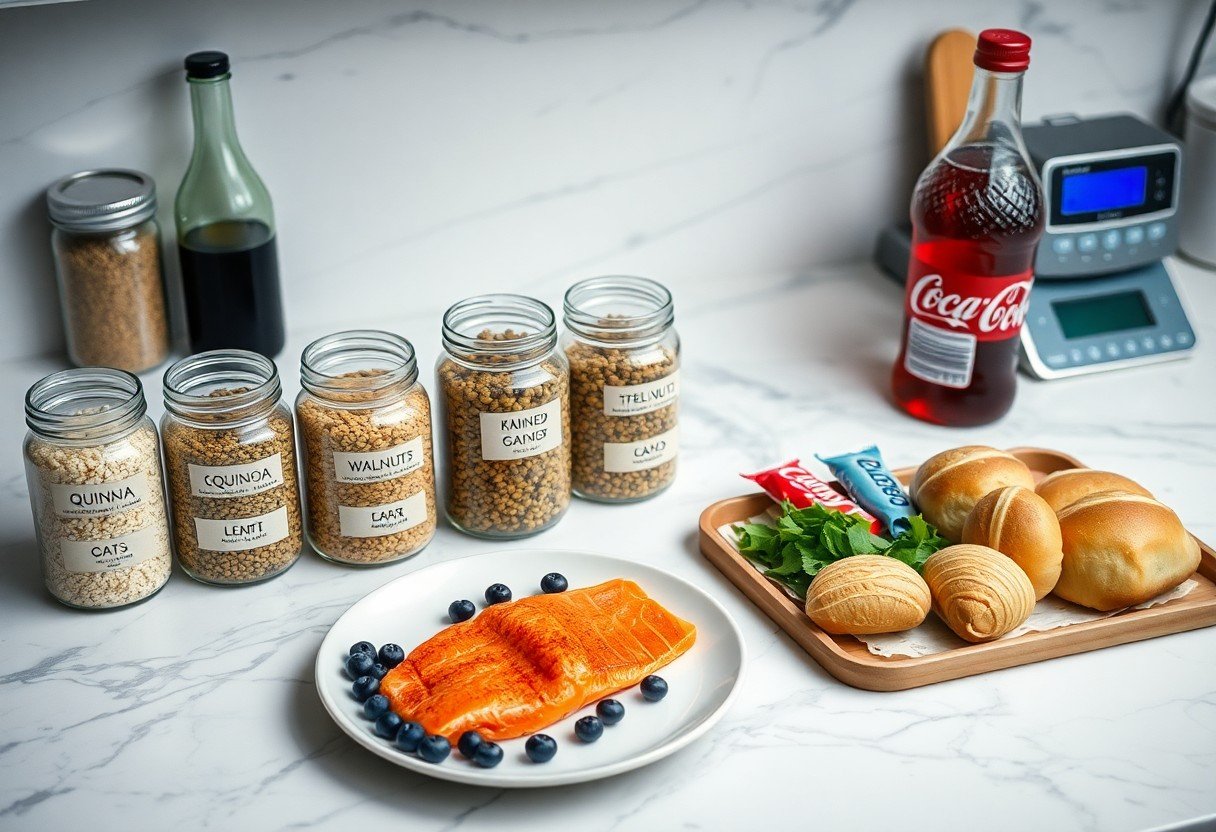
Strategic Lifestyle Integration
Your daily habits determine how dietary choices affect hormones; align meal patterns, sleep, activity, and stress so you sustain balance. Prioritize consistent sleep and timing, since disrupted circadian rhythms raise insulin resistance and worsen symptoms.
The Influence of Meal Timing and Circadian Rhythms
Timing your meals to daylight supports hormonal rhythm; when you eat late it can spike insulin and worsen symptoms, while consistent sleep and daytime feeding reduce insulin resistance.
Synergizing Nutrition with Resistance Training and Stress Management
Combine your nutrition plan with resistance training and stress reduction to maximize effect; strength work increases muscle glucose uptake and reducing stress limits cortisol-driven weight gain, yielding better insulin sensitivity.
Resistance training builds muscle, which increases glucose disposal; aim for 2-3 sessions weekly focused on compound lifts to boost insulin sensitivity and aid weight control. You should pair protein-rich meals within an hour after workouts to support recovery and stabilize blood sugar. Manage stress with short breathing practices, consistent sleep, and brisk walks because chronically elevated cortisol promotes fat retention and worsens metabolic markers.
Final Words
As a reminder, you should prioritize low-GI carbohydrates, lean protein, fiber, and healthy fats; limit refined sugars, processed foods, excess saturated fat and sugary drinks; include anti-inflammatory foods and work with your clinician to tailor portions and timing.
FAQ
Q: What is the basic dietary approach for managing PCOS and hormonal balance?
A: Aim for a low-glycemic, anti-inflammatory eating pattern that stabilizes insulin and supports weight management when needed. Emphasize whole, minimally processed foods; plenty of non-starchy vegetables and fiber; regular lean protein at each meal; and healthy fats such as olive oil, nuts, seeds, and fatty fish. Reduce intake of refined sugars and highly processed carbohydrates. Consistent meal timing and portion control help maintain steady blood glucose and hormones.
Q: Which specific foods should I include daily to help with PCOS?
A: Non-starchy vegetables include leafy greens, broccoli, and peppers. Choose low-glycemic fruits like berries, apples, and pears. Opt for whole grains with fiber, such as steel-cut oats, barley, and quinoa. Legumes like lentils, chickpeas, and beans are great options. For lean proteins, try fish, poultry, tofu, or tempeh. Healthy fats include extra-virgin olive oil, avocado, walnuts, and chia or flax seeds. Also eat fatty fish rich in omega-3s, such as salmon and sardines. Fermented foods (unsweetened yogurt, kefir, sauerkraut) and a variety of colorful produce support gut health and inflammation control.
Q: Which foods and drinks should I limit or avoid with PCOS?
A: Avoid or limit refined carbohydrates and sugary beverages (sodas, sweetened coffees/teas, juices), processed snacks and baked goods made with white flour and sugar, fast food and highly processed ready meals, trans fats (partially hydrogenated oils), and excessive added sugars. High-glycemic white bread, pastries, and many snack foods trigger insulin spikes. Limit excessive alcohol and large portions of red and processed meats.
Q: How should I manage carbohydrates-do I need to go low-carb or count grams?
A: Prioritize quality and timing of carbohydrates rather than strict gram counting for most people. Use a balanced-plate method: about half non-starchy vegetables, one quarter lean protein, one quarter high-fiber carbohydrate. People pursuing weight loss or with marked insulin resistance may benefit from a lower overall carbohydrate intake under medical or dietitian supervision. Adjust carbohydrate amounts based on activity level and blood glucose response.
Q: Which dietary patterns have the best evidence for PCOS?
A: Mediterranean-style eating has strong support for reducing inflammation and improving cardiometabolic risk factors.
Lower-carbohydrate or ketogenic approaches can improve insulin resistance and menstrual regularity in the short term. However, sustainability and individual tolerance vary.
Choose a pattern that is sustainable and nutrient-dense. Tailor it to personal preferences and medical needs. Ideally, seek guidance from a registered dietitian.
Q: Are there supplements that help with PCOS symptoms and hormonal balance?
A: Myo-inositol and d-chiro-inositol have evidence for improving insulin sensitivity and ovulatory function in some people with PCOS. Vitamin D supplementation is beneficial if deficiency is present. Omega-3 fish oil may reduce inflammation and improve lipid profiles. Magnesium and chromium show modest benefits for glucose control in select cases. Discuss supplements with your healthcare provider before starting them to confirm dosing, safety, and interactions.
Q: What are practical meal and snack examples and lifestyle tips to support hormonal balance?
A: Breakfast options: steel-cut oats with berries, chopped walnuts, and a spoonful of flaxseed.
Or try scrambled eggs with spinach and a slice of whole-grain toast.
Lunch: large salad with mixed greens, quinoa, grilled salmon, chickpeas, and olive oil-lemon dressing.
Snack: apple with almond butter.
Or plain Greek yogurt with cinnamon and seeds.
Dinner: lentil and vegetable curry with brown rice.
Or grilled chicken, roasted vegetables, and a side salad.
Habits that support diet include regular physical activity, adequate sleep, and stress management.
Also cook at home to control ingredients.
Space protein across meals to help blood sugar control.