
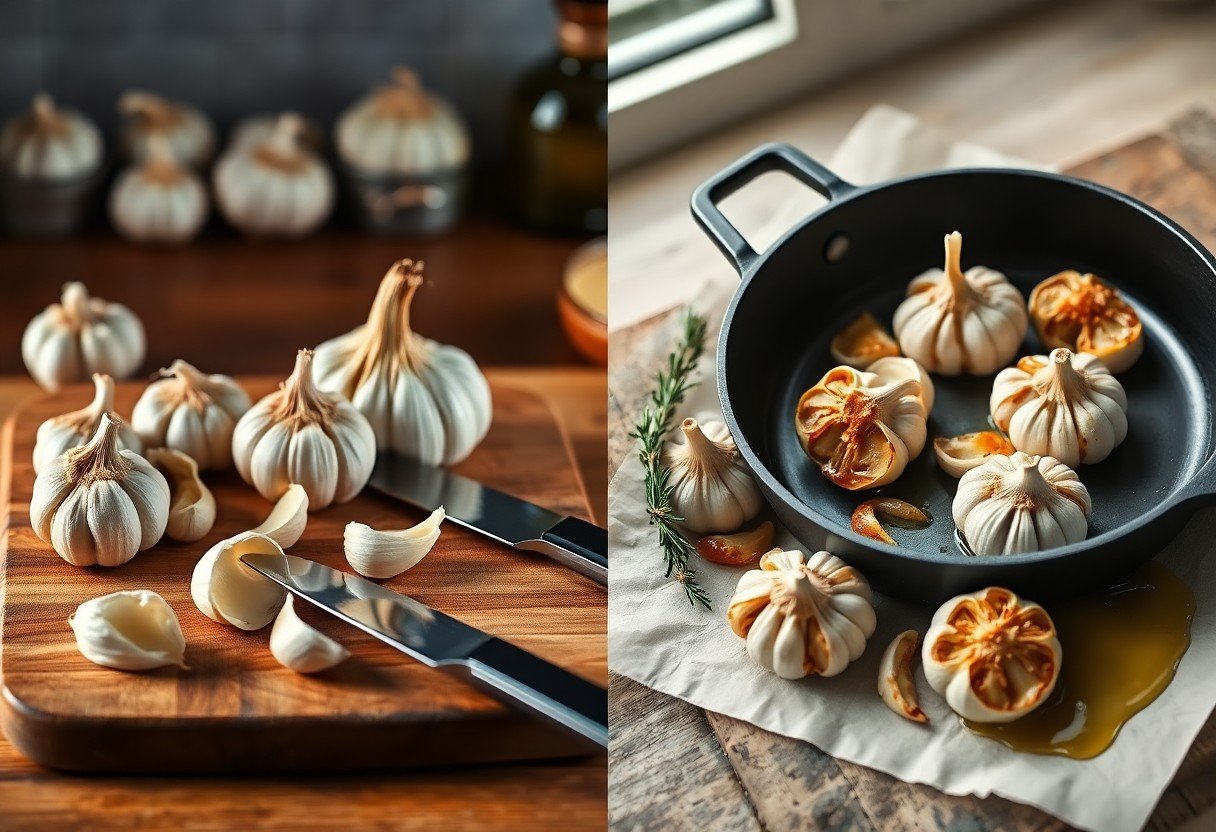
Nutrition: You get allicin-linked immune protection mainly from raw garlic; cooking reduces allicin but retains some antioxidants. You should note raw garlic can cause stomach irritation and increase bleeding risk, so adjust intake for safe benefit.
The Bioactive Profile of Garlic: Understanding Allicin
Allicin forms when you damage garlic and is the signature compound responsible for its sharp odor and many effects. You should know that allicin is highly reactive, rapidly breaking down into other organosulfur molecules that still influence microbes and immune responses, so raw consumption often yields different activity than cooked garlic.
The Enzymatic Reaction: Converting Alliin to Allicin
Crushing garlic ruptures cells and releases alliinase so you get rapid conversion of alliin into allicin within seconds; heat or prolonged storage inactivates the enzyme, meaning cooked garlic usually produces far less allicin unless you let crushed cloves sit before heating.
How Organosulfur Compounds Modulate Immune Cell Activity
Organosulfur compounds in garlic can shift how your immune cells act, dampening excessive inflammation while enhancing pathogen-killing functions, though effects vary with dose, preparation, and your baseline immune state.
Studies show that allicin-derived organosulfur compounds influence macrophage cytokine profiles (lowering TNF-α and IL-6 while increasing IL-10), modify neutrophil migration, and can enhance NK cell cytotoxicity, so you may experience both reduced inflammation and improved pathogen clearance; note that high intake can interact with anticoagulants and cause increased bleeding risk or gastrointestinal irritation, and cooking changes which compounds reach your system.
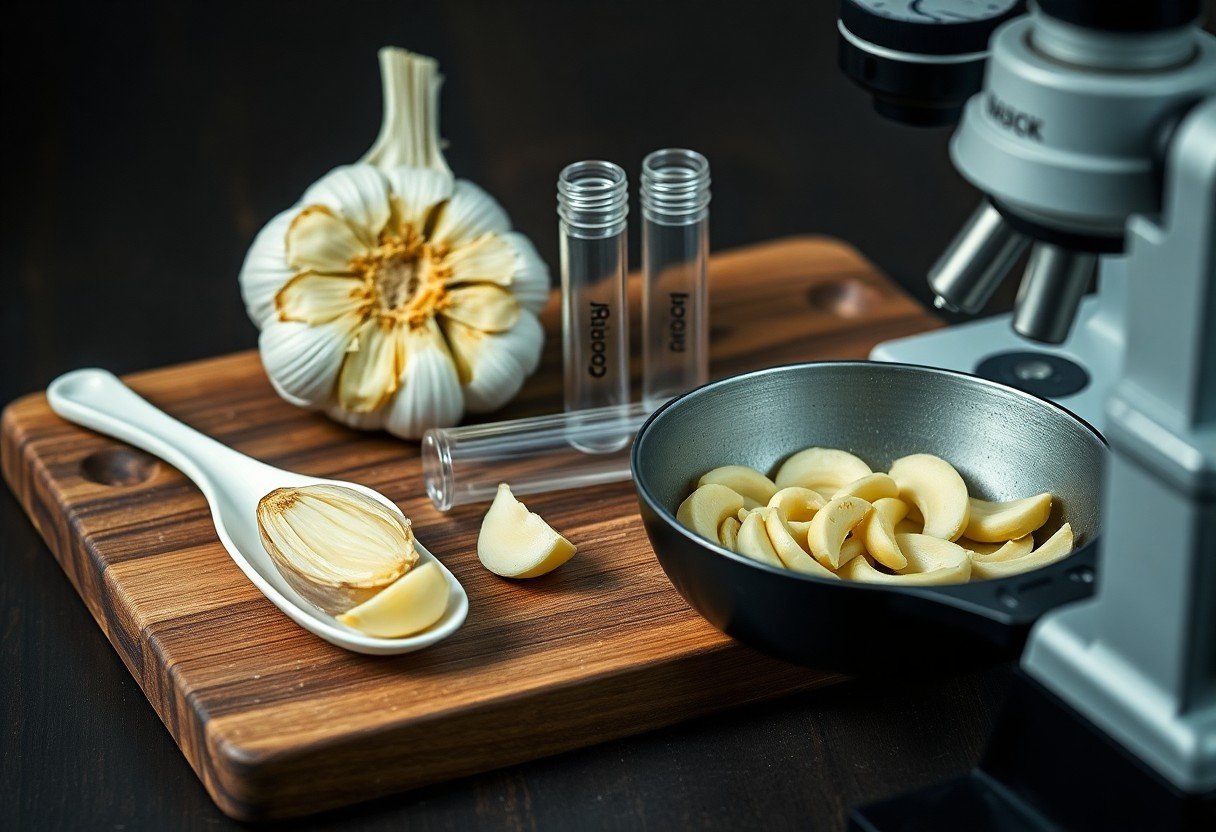
The Case for Raw Garlic: Maximum Enzyme Potency
You get the highest enzyme-driven benefit from raw garlic because crushing activates alliinase to produce allicin, the compound tied to direct antimicrobial effects; cooking largely destroys that pathway – see Raw Garlic vs Cooked Garlic: Which is Better?.
Direct Antimicrobial and Antiviral Efficacy of Fresh Cloves
Freshly crushed cloves release allicin, giving you immediate antimicrobial and antiviral action that can lower pathogen viability and strengthen early defense.
Preserving Heat-Sensitive Phytonutrients for Immediate Defense
Keeping garlic raw preserves heat-sensitive compounds like allicin and sulfur phytochemicals, so you get faster biochemical responses that support your immune defenses.
Crushing a clove and letting it sit for about 10 minutes lets alliinase convert alliin into allicin, giving you an immediate burst of activity; applying heat too soon or cooking will destroy
The Science of Cooking: How Heat Impacts Therapeutic Value
Thermal Degradation of Alliinase and the Loss of Allicin
You activate alliinase by crushing raw garlic, which creates allicin, a potent antimicrobial; heating above 60°C denatures the enzyme, so cooked garlic produces far less allicin and gives reduced immediate immune protection.
The Formation of Heat-Stable Compounds: S-Allylcysteine (SAC)
Cooking converts sulfur compounds into S-Allylcysteine (SAC), a heat-stable antioxidant you absorb more easily, offering longer-term immune support despite reduced allicin.
S-Allylcysteine forms when alliin and other sulfur compounds rearrange during heating or aging, and you benefit because SAC is highly bioavailable, water-soluble, and resistant to heat and storage; clinical studies link aged garlic extracts rich in SAC to reduced inflammatory markers, enhanced antioxidant capacity, and steady immune modulation that complements the short-lived antimicrobial effects of allicin.
Strategic Preparation: Optimizing Cooked Garlic Benefits
Practical steps help you get the most immune benefit from cooked garlic: crush and wait to activate alliinase, then use controlled heat since high heat destroys alliinase and reduces allicin formation, which is central to garlic’s protective effects.
The “Crush and Wait” Technique to Pre-Activate Enzymes
Crush garlic and wait about 10 minutes so you allow alliinase to convert alliin into allicin; avoid immediate heating because heat destroys alliinase and cuts immune benefits.
Comparing Culinary Methods: Roasting, Boiling, and Sautéing
Roasting boosts sweetness but shifts compounds, boiling can leach active molecules into water, and sautéing preserves more allicin for you if you pre-crush and cook briefly at moderate heat.
Compare methods in the table to choose what best preserves immune-active compounds for you: avoid prolonged high heat, prefer pre-crushing, and favor quick sautéing or moderate roasting when possible.
Method vs Effect on Immune Compounds
| Method | Effect for you |
|---|---|
| Roasting | Concentrates flavor; longer roasting converts allicin into other sulfur compounds – moderate roasting preserves some benefits. |
| Boiling | Leaches water-soluble compounds into the liquid, often leaving you with reduced allicin unless you consume the cooking liquid. |
| Sautéing | Quick, low-to-medium heat cooking preserves more allicin if you pre-crush and limit exposure to high temperatures. |
Comparative Analysis: Targeted Immune Support
Targeted Immune Support: Raw vs Cooked Garlic
| Raw Garlic | Cooked Garlic |
|---|---|
| You get immediate antimicrobial action from allicin formed when garlic is crushed, acting quickly against pathogens. | You receive heat-stable sulfur compounds (like S‑allyl cysteine and diallyl sulfides) that support long-term immune modulation. |
| You benefit from short-term boosts to innate defenses and potential reduction in early infection severity. | You gain sustained anti-inflammatory effects and improved antioxidant defenses with regular culinary use. |
| You may face stomach irritation, strong breath, and a risk to people on blood thinners. | You experience milder GI effects but lower immediate antimicrobial potency compared with raw garlic. |
| You should crush and wait ~10 minutes before eating raw to maximize allicin formation. | You should cook gently or use aged garlic preparations to preserve and increase bioavailable anti-inflammatory compounds. |
Raw Garlic’s Role in Combating Acute Respiratory Infections
You can obtain rapid antimicrobial support from crushed raw garlic because allicin forms immediately and may reduce pathogen load; expect quick, short-lived effects and possible GI irritation or interaction risks if you take anticoagulants.
Cooked Garlic’s Contribution to Long-Term Anti-Inflammatory Health
Cooking garlic into your meals supplies heat-stable sulfur compounds that gently modulate inflammation, helping you maintain immune balance over time while minimizing raw-garlic side effects.
Frequent consumption of cooked garlic offers you a steady supply of stable organosulfur compounds that down-regulate pro-inflammatory signaling and bolster antioxidant enzymes, which can lower chronic inflammation markers and support vascular health; monitor use if you take blood thinners since garlic can still affect clotting, and consider aged-garlic extracts if you want concentrated, gentler anti-inflammatory benefits.
Practical Implementation and Safety Considerations
Recommended Daily Intake for Proactive Immune Maintenance
Aim to consume 1-2 fresh garlic cloves (3-6 g) daily or 300-1,000 mg aged garlic extract to support immunity; raw provides more allicin, while cooked garlic still delivers helpful sulfur compounds with gentler digestion.
Managing Digestive Sensitivity and Contraindications with Medication
If you experience heartburn or loose stools, favor cooked garlic, garlic-infused oil, or lower-dose supplements; avoid large raw doses if you take blood thinners or certain blood-pressure drugs and notify your prescriber.
Consult your healthcare provider before starting garlic supplements if you use warfarin, antiplatelets, or herbal anticoagulants; garlic can increase bleeding risk and interact with blood-pressure medications. Consider enteric-coated or aged garlic to reduce allicin-related irritation, stop garlic supplements 7-10 days before surgery, and watch for increased bruising, prolonged bleeding, or persistent GI upset.
Summing up
Summing up, you should prefer raw crushed garlic for maximum allicin and immune support; lightly cooked garlic still helps and causes less irritation-crush, wait 10 minutes before heating, or add some raw to meals to combine benefits.
FAQ
Q: Which form of garlic-raw or cooked-provides better immune protection?
A: Raw garlic supplies the highest immediate allicin content when cloves are crushed or chopped and left to stand for 10-15 minutes before heating. Allicin delivers strong antimicrobial and immune-modulating effects in laboratory studies. Cooking at high temperatures destroys the alliinase enzyme that creates allicin, reducing that specific activity, but cooked garlic still provides sulfurous compounds, antioxidants, and nutrients that support immune health. Aged garlic extract offers a different, stable set of compounds (for example, S-allyl cysteine) that have shown positive immune effects in clinical trials, so raw garlic is best for allicin-driven benefits while cooked or aged garlic can still contribute to immune support with better tolerability.
Q: How does allicin and other garlic compounds affect immune function?
A: Allicin acts as a reactive sulfur compound with antibacterial, antiviral, and antifungal properties in vitro and can modulate immune cell activity such as macrophages and natural killer cells in animal studies. Antioxidant sulfur compounds in garlic reduce oxidative stress and influence cytokine signaling pathways, which can alter inflammatory responses. Clinical evidence in humans is limited but suggests garlic or aged garlic supplements can reduce cold incidence or symptom severity and improve some immune markers; those effects vary by preparation, dose, and study design.
Q: Does cooking destroy all of garlic’s immune benefits?
A: Cooking reduces or eliminates the enzyme (alliinase) needed to form allicin, so high heat and prolonged cooking markedly lower allicin-related effects. Light cooking, adding garlic near the end of cooking, or crushing and waiting 10-15 minutes before applying heat preserves more beneficial compounds. Roasted or sautéed garlic still supplies antioxidants and other sulfur compounds, but the immediate allicin-dependent antimicrobial activity will be much lower compared with properly prepared raw garlic.
Q: What are practical preparation and dosing tips to maximize immune benefits?
A: Crush or finely chop garlic and let it rest 10-15 minutes to allow allicin formation before eating raw or applying gentle heat. Add raw garlic to dressings, salsas, or cool dishes for direct benefit, or add prepared garlic toward the end of cooking for milder heat exposure. Typical culinary intake of 1-2 cloves per day provides beneficial compounds for most people; aged garlic supplements and standardized extracts use different dosing-follow product labels or clinical guidance. Avoid excessive raw intake if it causes digestive upset.
Q: Are there risks or interactions to consider when using garlic for immune support?
A: Raw garlic can cause gastrointestinal upset, mouth or throat irritation, and strong breath or body odor. Garlic increases bleeding risk and can interact with anticoagulants and antiplatelet medications, so consult a clinician before regular high-dose garlic or supplements if taking blood thinners or planning surgery. Garlic may also affect blood pressure and blood glucose modestly and can trigger allergic contact dermatitis in some people. Culinary amounts are generally safe during pregnancy, but use supplements only under medical advice.