

There’s evidence that echinacea may not prevent colds but can shorten them modestly, and you should note rare allergic reactions can occur.
Botanical Profile and Bioactive Constituents
Echinacea plants have thick taproots and daisy-like heads; their therapeutic activity is driven by alkylamides, polysaccharides, and caffeic acid derivatives such as echinacoside, and you should note that species and extraction method create major variability in potency.
Identifying the Three Primary Medicinal Species
Three primary medicinal species are E. purpurea, E. angustifolia, and E. pallida; you can tell them apart by root form and flower traits, and their extracts differ in alkylamide and polysaccharide profiles, which affects clinical outcomes.
The Role of Alkylamides and Polysaccharides in Immune Response
Alkylamides influence cannabinoid‑like receptors and signaling, while polysaccharides activate macrophages and dendritic cells; you may observe symptom shortening, but immune interactions and rare allergic reactions are possible.
Research shows that alkylamides readily cross membranes to modulate cytokine profiles and that polysaccharides enhance phagocytic activity; you should be aware that solvent, plant part, and standardization change constituent levels, so some products can interact with immunosuppressants or trigger allergic reactions in Asteraceae‑sensitive individuals.
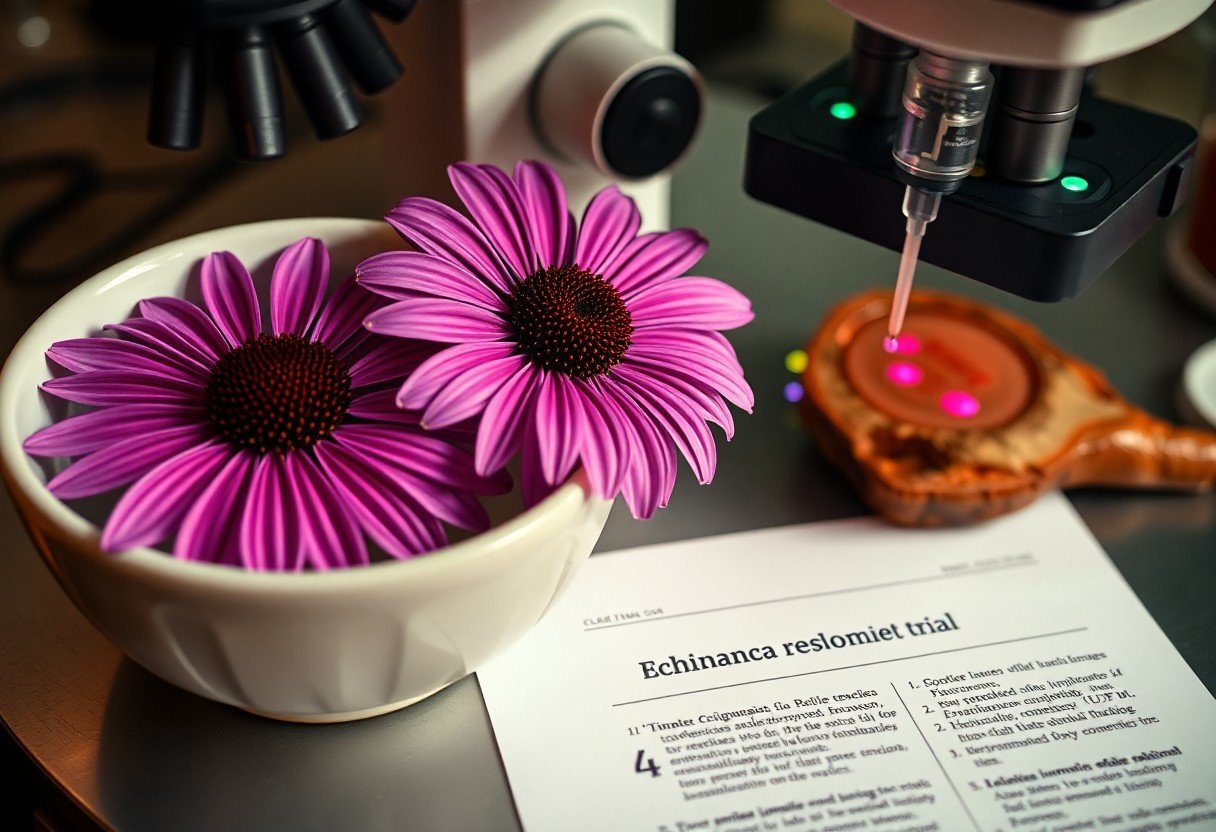
Mechanisms of Action: Immunomodulatory Pathways
Stimulation of Non-Specific Immune Defense
Phagocytes increase activity after echinacea exposure, so you experience faster pathogen clearance through enhanced macrophage and natural killer cell function; this innate boost can shorten symptom duration but varies with extract and dose.
Cytokine Regulation and Anti-inflammatory Properties
Cytokines shift toward a more balanced profile when you take echinacea, lowering excessive pro-inflammatory signals while supporting antiviral responses; reduced inflammation often eases symptoms though individual responses differ.
Clinical trials, including the Evaluation of echinacea for the prevention and treatment …, report mixed cytokine changes and inconsistent symptom benefits, so you should note that heterogeneous extracts, variable dosing, and short follow-up limit firm conclusions and that allergic reactions or interactions with immunosuppressants are the primary safety concerns to discuss with your clinician.

Echinacea – Does It Prevent Colds or Just Shorten Them? The Evidence
Review of Prophylactic Clinical Trials
Clinical trials assessing prophylactic echinacea report mixed outcomes; some showed a modest reduction in cold incidence while others found no preventive effect, so you shouldn’t rely on it as a dependable shield against infection.
Impact of Long-term Supplementation on Infection Rates
Long-term supplementation studies vary by product and dose; you may see a small decrease in episode frequency in a few trials, yet most show no clear reduction in overall infection rates.
Extended use appears influenced by species, extract type, and dosing schedules. Most trials were small, heterogeneous, and sometimes combined echinacea with other herbs, which makes it hard for you to draw firm conclusions. Some higher-quality studies running several months reported no significant drop in cold incidence, while others observed minor reductions tied to specific preparations. You should consult a clinician if you have plant allergies-due to risk of allergic reactions-or if you have autoimmune disease or take immunosuppressants before starting long-term use.
Assessing Treatment: Shortening the Duration of Illness
Meta-Analysis of Recovery Speed and Symptom Relief
Meta-analyses indicate echinacea can modestly shorten colds; you may experience about one day less illness and milder symptoms, though benefits vary by product type and study quality.
The Critical Importance of Early Treatment Initiation
Early treatment matters: you get the largest effects when echinacea is started within 24-48 hours of symptom onset, with benefits fading if you delay.
Starting echinacea within 24 hours of first symptoms most consistently correlates with reduced duration; you might see up to one day shorter illness in best-case trials, but outcomes depend on formulation and dose, and you must watch for rare allergic reactions, especially with asthma or plant sensitivities.
Variables Affecting Efficacy and Study Outcomes
Challenges with Standardization and Product Quality
Manufacturers vary widely; you may find products using different Echinacea species, plant parts, or doses, producing inconsistent effects. Batch variability and contamination risk mean some supplements can be ineffective or harmful, so you should prefer products with third-party testing and transparent labeling.
Influence of Extraction Methods on Therapeutic Potency
Extraction solvents and techniques change which constituents you receive; water favors polysaccharides while alcohol preserves alkylamides and phenols. Different preparations produce varying immune effects, so you must compare like-with-like when interpreting study results.
Laboratory analyses show that herb-to-solvent ratio, temperature, and plant part dramatically shift chemical profiles, so you may get high alkylamide extracts from alcohol tinctures but mainly polysaccharides from hot-water preparations. These differences alter absorption and immune signaling; some trial failures stem from using low-alkylamide products. Look for extracts standardized to identified markers and third-party verification to reduce uncertainty and contamination risk.
Safety Profile and Potential Contraindications
Documented Side Effects and Allergic Sensitivity
You can experience mild gastrointestinal upset, headache, or skin rash; people with plant allergies may face severe allergic reactions, including anaphylaxis, so stop echinacea and seek emergency care if breathing or swelling occurs.
Interactions with Immunosuppressants and Other Medications
Mixing echinacea with immunosuppressants or drugs metabolized by liver enzymes can change drug effects; it may reduce immunosuppressant effectiveness or alter blood levels, so avoid without medical guidance.
Discuss any planned echinacea use with your transplant team or prescribing clinician if you take cyclosporine, tacrolimus, biologics, anticoagulants, or multiple prescription medicines; research on CYP3A4 and immune-stimulating effects is mixed, creating a theoretical risk of altered drug levels and reduced immunosuppression, and your provider may recommend monitoring, dose adjustment, or alternative therapies.
Final Words
So you should view echinacea as likely to shorten a cold by about one day for some people but not reliably prevent colds; weigh product quality, dosage, and study variability before using it.
FAQ
Q: Does echinacea prevent colds or just shorten them?
A: Echinacea has produced mixed results in clinical research, with some studies suggesting a small preventive effect and others showing no meaningful reduction in cold incidence. Therapeutic use started at first symptoms has sometimes shortened illness duration by about one day on average in trials, but outcomes vary widely between studies. Variation in plant species, extract type, dosing, and study quality makes it hard to generalize results to all echinacea products. Overall evidence supports a possible modest benefit for shortening colds in some settings while consistent prevention has not been clearly proven.
Q: What do systematic reviews and meta-analyses conclude?
A: Systematic reviews note heterogeneity across trials and often rate overall evidence as low to moderate quality because of small trials, inconsistent methods, and potential bias. Some meta-analyses report a modest reduction in cold incidence with regular preventive use and a small reduction in duration when taken at symptom onset, while others find no statistically significant effect. Differences in inclusion criteria, product types, and endpoints explain much of the disagreement between reviews. Careful interpretation of pooled results is necessary because benefits reported in meta-analyses may not apply to every echinacea formulation or patient group.
Q: Do results differ by echinacea species, formulation, dose, or timing?
A: Yes. Trials using Echinacea purpurea, Echinacea angustifolia, whole-plant preparations, fresh-pressed extracts, and varying tinctures or tablets report different outcomes. Standardized extracts with clearly reported doses are easier to evaluate, while proprietary blends and unstandardized products add uncertainty. Preventive trials typically used daily dosing over weeks, whereas therapeutic trials started treatment at first symptoms; earlier initiation of therapy is more likely to show a benefit. Dose-response relationships are not well defined, so product selection and timing strongly influence observed effects.
Q: Is echinacea safe and who should avoid it?
A: Echinacea is generally well tolerated in short-term use; common adverse effects include gastrointestinal upset and mild allergic reactions such as rash. People with allergies to plants in the Asteraceae/Compositae family (ragweed, chrysanthemum, marigold) have higher risk of allergic response and should avoid it. Patients with autoimmune conditions or those taking immunosuppressive drugs should consult a clinician before use because theoretical stimulation of immune activity could be problematic, though strong evidence of harm is limited. Pregnant or breastfeeding people and young infants should avoid echinacea unless a healthcare professional advises otherwise.
Q: How should someone use echinacea if they want to try it for colds?
A: Choose a product that lists the species, plant part, and standardized dose or extract ratio, and follow the manufacturer’s dosing instructions on the label. Begin therapeutic use at the first sign of symptoms for the best chance of shortening illness; consider daily preventive dosing only after discussing risks and limited benefits with a clinician. Stop use and seek medical advice if you develop an allergic reaction or if symptoms worsen or persist. Discuss echinacea use with a healthcare professional before starting it when pregnant, breastfeeding, on immunosuppressants, or managing chronic medical conditions.