
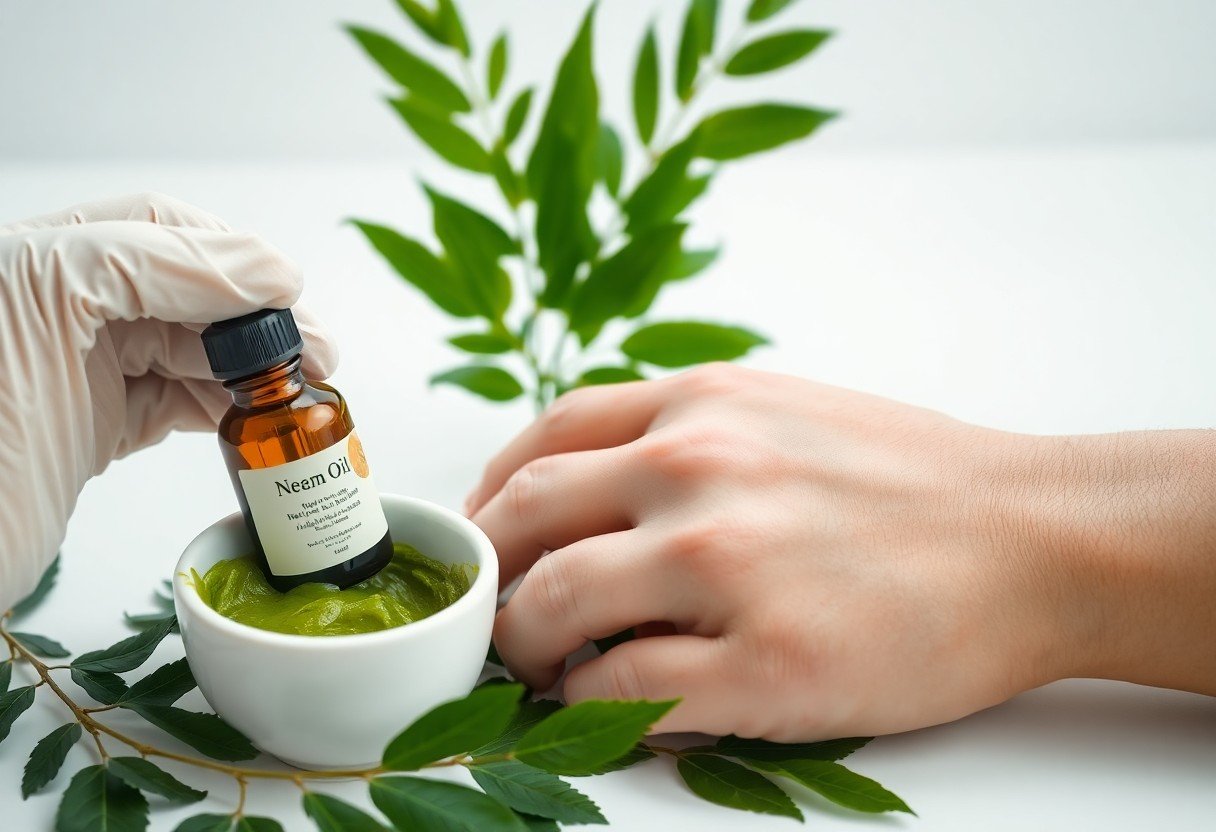
Overuse risks irritation, so you should patch-test; neem’s antimicrobial properties can reduce acne, eczema flare-ups and fungal infections, but stop if irritation and avoid ingesting during pregnancy or in infants.

The Science of Neem for Dermatological Health
Research links neem’s leaf and oil extracts to antibacterial and anti-inflammatory effects that target acne, eczema, and fungal agents; you should weigh benefits against reports of skin irritation and allergic reactions when testing concentrations.
Key antibacterial and anti-inflammatory properties
Neem delivers broad antibacterial action against acne-causing bacteria while reducing redness through anti-inflammatory triterpenoids, giving you topical relief but requiring patch tests to avoid adverse responses.
Identifying the active compounds for skin health
Compounds such as azadirachtin, nimbolide, and nimbidin target microbes and inflammation, enabling you to choose extracts with researched actives for specific skin issues.
Azadirachtin and nimbolide operate by disrupting microbial membranes and modulating cytokine signals, while nimbidin shows potent antimicrobial activity; you should seek standardized extracts and start low because concentrated neem oil can cause skin irritation or allergic reactions, and research indicates synergy between compounds rather than a single cure-all.
How-to Eradicate Fungal Infections Naturally
Treat stubborn fungal infections with targeted neem methods-topical paste, neem-infused rinses, and diluted neem oil-to exploit neem’s antifungal and antibacterial properties while you monitor for allergic reactions; stop use and consult a clinician if you experience severe irritation, spreading, or systemic symptoms.
How-to apply Neem paste for athlete’s foot and ringworm
You combine crushed fresh neem leaves or neem leaf powder with a little water to form a paste, apply to clean, dry lesions for 20-30 minutes, rinse, and repeat twice daily until clearing, and immediately stop if you notice intense burning, blistering, or swelling.
Using Neem-infused water as a natural antifungal rinse
Soak fresh or dried neem leaves in boiling water, cool and strain, then use the infusion as a daily rinse or compress to reduce fungal load and calm itching; discontinue at any sign of worsening irritation.
Prepare neem-infused water by simmering about 10-15 g fresh leaves (or 2-3 tbsp dried) per liter for 10 minutes, cool and strain, then dilute 1:1 for sensitive skin; you can soak feet for 10-20 minutes or apply compresses to affected patches once daily. Store refrigerated up to 48 hours, perform a patch test on non-affected skin, and seek medical care if the infection deepens, spreads, or you have diabetes or a weakened immune system.
Summing up
To wrap up, you can use neem oil, leaf paste, or teas to target acne, soothe eczema, and treat fungal infections; always patch-test, dilute properly, and consult a clinician for persistent or severe cases.
FAQ
Q: How does neem work on acne?
A: Neem contains antibacterial and anti-inflammatory compounds such as nimbidin, nimbin, and various flavonoids that inhibit Propionibacterium acnes and reduce inflammation in clogged follicles. Antioxidant components help limit oxidative damage that can worsen acne and support healing of post-inflammatory marks. Laboratory and small clinical studies show topical neem extracts can lower bacterial counts and reduce redness, though results vary by formulation and concentration. Topical use targets surface bacteria and inflammation; systemic neem products have limited evidence for acne control and carry higher risk of side effects.
Q: What are safe, effective ways to use neem for acne?
A: Use neem as a diluted topical treatment rather than raw undiluted oil on the face. For a daily face wash, steep 1-2 teaspoons of dried neem leaves in a cup of boiling water for 10-15 minutes, strain, cool, and use as a rinse or gentle wash once daily. For spot treatment, dilute neem oil to about 0.5-2% in a carrier like jojoba or grapeseed oil and apply a small amount to pimples once daily; increase frequency to twice daily if tolerated. For short masks, blend fresh neem leaves into a smooth paste, apply for 10-15 minutes, rinse, and moisturize; limit to 1-2 times per week to avoid over-drying. Perform a 24-hour patch test before broader use and expect 4-8 weeks to see noticeable improvement.
Q: Can neem help eczema and how should it be applied?
A: Neem’s anti-inflammatory and antimicrobial actions can reduce itching and lower the risk of secondary bacterial infection in mild eczema. Mix 1-2% neem oil into a fragrance-free emollient or cream and apply thinly to affected patches once or twice daily to soothe skin and support barrier repair. For baths, add a strong neem leaf decoction to lukewarm water and soak for 10-15 minutes to calm widespread flare-ups; moisturize immediately after patting skin dry. Avoid applying undiluted neem oil to cracked or oozing skin and stop use if irritation or increased redness occurs; consult a dermatologist for moderate to severe eczema or signs of infection.
Q: Is neem effective for fungal infections and what is the proper method?
A: Neem exhibits antifungal activity in laboratory studies against common skin fungi that cause ringworm, athlete’s foot, and yeast infections, and topical preparations can help mild cases. For athlete’s foot or ringworm, soak the affected area daily in warm neem leaf decoction for 15-20 minutes, dry thoroughly, then apply diluted neem oil (around 3-10% in a carrier) twice daily. For scalp fungal issues, rinse hair with cooled neem tea after shampooing and leave a small amount of diluted neem oil at the scalp if tolerated. Nail fungal infections respond less predictably to topical neem; persistent or spreading fungal infections require prescription antifungals from a clinician.
Q: What precautions, side effects, and interactions should be considered when using neem on skin?
A: Topical neem commonly causes mild irritation or allergic contact dermatitis in sensitive individuals; perform a patch test on inner forearm and wait 24-48 hours before wider use. Avoid ingesting neem oil and do not use concentrated oral neem in infants, pregnant or breastfeeding people, or without medical supervision due to reports of toxicity. Neem can lower blood glucose when taken systemically; patients on diabetes medications should consult their provider before using systemic neem. Seek immediate care for severe allergic reactions such as widespread hives, swelling of the face or throat, or breathing difficulty. Discontinue topical use if increased irritation, blistering, or infection signs appear and consult a healthcare professional for evaluation.