
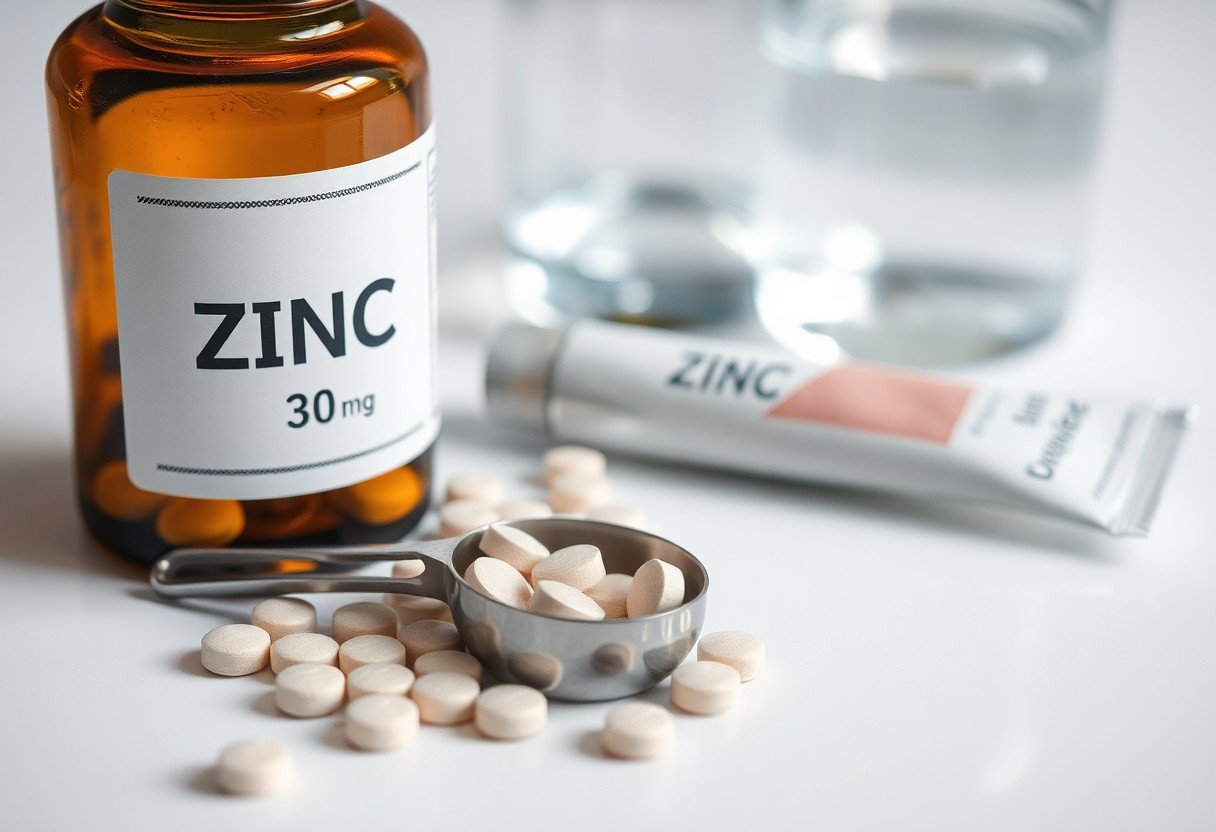
You can reduce inflammatory acne with zinc; you may see modest benefit, typical oral dose is 30-45 mg elemental zinc daily, but long-term doses above 40 mg risk copper deficiency and nausea.
The Biological Role of Zinc in Skin Health
Zinc supports skin barrier repair, immune signaling and microbial defense, so you benefit from reduced inflammation and faster lesion healing; ensure you avoid excessive doses that cause copper deficiency and gastrointestinal upset.
Anti-inflammatory Mechanisms and Cytokine Regulation
Reducing cytokines like IL‑6 and TNF‑α, zinc helps you calm inflammatory lesions and lower pain; the anti-inflammatory action can complement topical treatments without driving antibiotic resistance.
Inhibition of Propionibacterium acnes Growth
Suppressing Propionibacterium acnes growth, zinc disrupts bacterial enzymes so you see fewer pustules; topical zinc directly lowers colony counts and cutaneous inflammation.
Laboratory and clinical studies show zinc chelates metal ions, inhibits biofilm formation and downregulates P. acnes virulence factors, so you experience sustained bacterial suppression; choose formulations carefully because oral zinc may cause nausea while topical products avoid systemic side effects.
Regulation of Sebum Production and Hormonal Balance
Controlling 5α‑reductase activity, zinc helps you reduce androgen-driven sebum production and comedone formation; reduced sebum often means fewer clogged pores and milder acne.
Evidence indicates zinc can modulate androgen receptor signaling and enzyme activity, so you may notice decreased oiliness over weeks; if you use hormonal therapies or have endocrine conditions, monitor for interactions and consult a clinician about dosing and safety.
Clinical Evidence: Does Zinc Effectively Treat Acne?
Comparative Efficacy: Oral Zinc vs. Conventional Antibiotics
Studies show oral zinc reduces inflammatory lesion counts modestly compared with antibiotics; you may see slower but safer improvement, while antibiotics often work faster but carry resistance and side-effect risks.
Clinical Trial Summary
| Trial | Outcome |
|---|---|
| Placebo-controlled | Modest benefit for inflammatory lesions versus placebo; statistically significant in some studies |
| Compared to antibiotics | Lower short-term clearance than tetracyclines; antibiotics show higher lesion reduction |
| Side effects | Mostly gastrointestinal upset and metallic taste; no major resistance concern with zinc |
Success Rates for Inflammatory vs. Comedonal Acne
Inflammatory lesions respond to zinc more consistently than comedonal acne; you can expect better reductions in pustules and nodules, while closed comedones typically show limited improvement.
Meta-analyses of randomized trials report oral zinc yields roughly 20-30% reductions in inflammatory lesions versus baseline and generally lags behind tetracycline antibiotics, so you should expect meaningful improvement for papulopustular acne but minimal change in blackheads and whiteheads; adverse effects are usually mild, primarily gastrointestinal upset, which you must factor into treatment decisions.
Navigating Zinc Variants and Bioavailability
Zinc Picolinate and Gluconate: Absorption Rates
Zinc picolinate generally shows better intestinal uptake than gluconate, so you may absorb more elemental zinc per dose; picolinate is often better absorbed, while gluconate remains a well-tolerated, cost-effective option for routine use.
Zinc Sulfate: Clinical Use and Digestive Tolerability
Sulfate has been used in many acne trials but tends to cause more gastrointestinal upset, so you should expect possible nausea or stomach pain; GI irritation is the main drawback and taking it with food can help.
You can find zinc sulfate effective at delivering higher elemental zinc in studies, yet prolonged high intake can induce copper deficiency and immune changes; to minimize risks, split doses, take with food, avoid simultaneous antibiotics or iron, and consider switching to picolinate or gluconate if you experience persistent GI symptoms.

Determining the Correct Dosage for Acne Management
Section guidance focuses on the elemental zinc amount rather than the supplement name; you should verify labels and limit chronic intake near the 40 mg/day tolerable upper limit to reduce risk of copper deficiency and gastrointestinal side effects.
Calculating Elemental Zinc vs. Compound Weight
You must check the label for “elemental zinc,” since compounds differ in zinc content; convert compound weight to elemental amount or ask a pharmacist so you dose accurately and avoid unintentional excess.
Establishing an Effective Daily Range for Adults
Most adults treating acne find 30-45 mg elemental zinc daily effective, but staying at or below the 40 mg/day UL is safer long-term; you may consider short supervised higher dosing if needed.
Higher short-term doses have been used in trials, yet you should limit duration and monitor for symptoms and labs; check serum copper if you exceed the UL, avoid combining multiple zinc-containing supplements, and consult a clinician before prolonged doses.
Potential Side Effects and Long-Term Risks
Common Gastrointestinal Disturbance and Nausea
Nausea and abdominal pain can occur when you take zinc, especially on an empty stomach or at high doses; stop if you experience persistent vomiting or severe dehydration.
Chronic Use Risks: Copper Deficiency and Anemia
Long-term high-dose zinc can cause copper deficiency, resulting in anemia, low neutrophil counts, and weakened immunity; have your levels checked if you use zinc daily.
Prolonged zinc intake increases intestinal metallothionein that binds copper and reduces absorption, so you may develop microcytic anemia, neutropenia, hair loss and recurrent infections; if you’ve taken doses above 40 mg/day for months, request serum copper and ceruloplasmin testing and discuss supervised copper supplementation or dose reduction.
Neurological Implications of Excessive Zinc Intake
Excess zinc can cause numbness, tingling and balance problems; stop zinc and seek evaluation if you notice progressive weakness or gait disturbance.
Severe or prolonged zinc-induced copper deficiency can produce a myeloneuropathy that mimics B12 deficiency, with sensory loss, spasticity and impaired coordination; if neurologic signs appear, promptly discontinue zinc, measure serum copper, consider parenteral copper replacement and consult neurology to reduce the risk of permanent nerve damage.
Strategic Administration and Interactions
You should time zinc away from iron and calcium supplements and be aware that zinc can bind some antibiotics; consult sources like Zinc for Acne: Cystic, Scars, OTC Products, and More for specifics.
- zinc sulfate
- zinc gluconate
- topical zinc
- systemic zinc
- dosage
- side effects
Optimal Timing and Dietary Factors Affecting Absorption
Timing your dose on an emptier stomach improves absorption, but taking zinc with a small meal reduces nausea; avoid high‑phytate meals or concurrent iron/calcium to prevent reduced uptake.
Topical Zinc Formulations vs. Systemic Supplementation
Topical zinc gives localized benefits with minimal systemic risk, while oral zinc affects immune response and sebum but carries higher side effects and interaction potential.
Systemic options like zinc gluconate or sulfate can require 30-50 mg elemental zinc for acne effects, but you must separate doses from tetracyclines/quinolones by a few hours to avoid chelation; topical agents such as zinc oxide or pyrithione target inflammation and healing with lower systemic exposure. The risk of copper deficiency increases with chronic intake above the 40 mg/day UL.
Final Words
Drawing together, you can use zinc to reduce acne when taken at recommended doses (typically 15-30 mg/day for adults), monitor for nausea or copper imbalance, and consult your doctor before long-term use to avoid interactions or deficiency; topical zinc can help but results vary.
FAQ
Q: Does zinc really work for acne?
A: Multiple clinical trials and meta-analyses report a modest benefit of zinc for inflammatory acne. Zinc reduces inflammation, inhibits Propionibacterium acnes growth, and can lower sebum production. Clinical effects are usually slower and smaller than those seen with oral antibiotics or isotretinoin, so zinc is best viewed as an adjunct or as an option for mild-to-moderate inflammatory acne.
Q: Which form of zinc is most effective for acne?
A: Oral zinc sulfate has the longest clinical trial history for acne, while zinc gluconate and zinc picolinate are often better tolerated and may offer similar benefits. Topical options include zinc oxide and zinc sulfate in creams or gels; topical zinc can help reduce inflammation and irritation for some people. Choice depends on tolerance, formulation availability, and whether systemic or local treatment is preferred.
Q: What is the correct dosage and how long before results appear?
A: Most acne studies used elemental zinc in the 30-45 mg per day range for 8-12 weeks, with clinical improvements often appearing after 6-12 weeks. The tolerable upper intake level for long-term oral zinc in adults is generally cited as 40 mg/day; staying near or under this limit reduces the risk of mineral imbalance. Higher short-term doses have been used under medical supervision, but prolonged high-dose therapy raises safety concerns.
Q: What side effects and risks are associated with zinc therapy?
A: Oral zinc can cause nausea, abdominal pain, vomiting, diarrhea, and a metallic taste. Long-term high-dose zinc may cause copper deficiency, anemia, and neurologic symptoms. Topical zinc can cause local irritation, dryness, or contact dermatitis in sensitive individuals. Chronic excess zinc can impair immune function and alter iron absorption. Monitoring is advisable for prolonged use above recommended amounts.
Q: Are there important drug interactions or precautions?
A: Zinc interferes with absorption of tetracyclines, fluoroquinolones, and penicillamine; separate dosing by 2-4 hours. High zinc intake reduces copper absorption and can affect iron status. Pregnant and breastfeeding people should consult a healthcare provider before supplementation. People with chronic kidney disease, existing mineral deficiencies, or on multiple medications should seek medical advice before starting zinc for acne.