
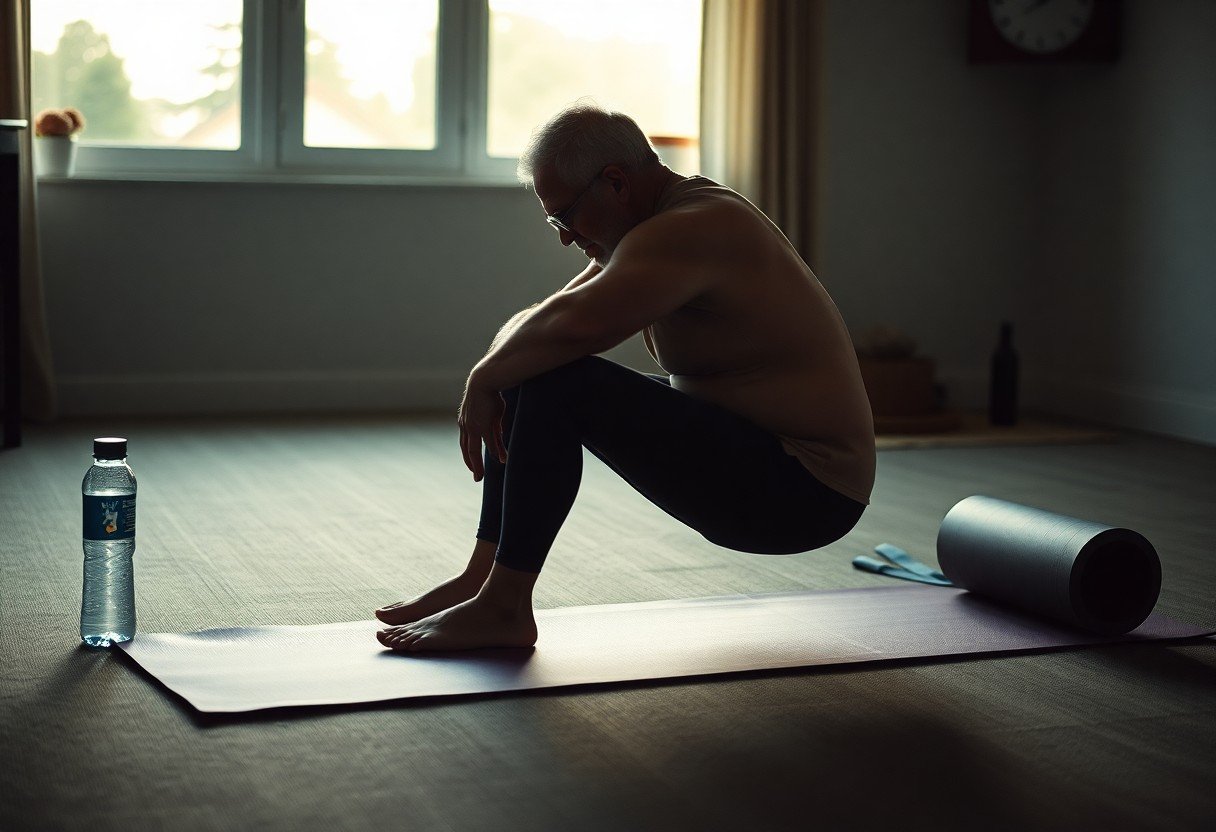
Aging increases joint stiffness and fall risk, so you should adopt a daily 15-minute mobility routine of controlled stretches, joint rotations and functional movements; this approach reduces pain, restores range of motion and lowers risk of falls while preserving independence. By prioritizing quality of movement, gradual progression and consistent practice, you maintain spinal health, hip and shoulder mobility and balance with minimal equipment. Follow solid technique, modest loads and steady progression to keep your body resilient and pain-free.
Key Takeaways:
- Daily dynamic mobility warm-up for major joints (neck, shoulders, spine, hips, knees, ankles) – 5-10 minutes to reduce stiffness and maintain range of motion.
- Include modest strength and balance work (bodyweight squats, single-leg stands, resistance bands) 2-3 times per week to support joints and prevent falls.
- Manage load and recovery: progress gradually, stay within pain-free ranges, finish with gentle stretching and deep breathing; consult a clinician for persistent pain.
Understanding the Importance of Mobility After 50
The Impact of Aging on Mobility
After 50 you face a predictable decline in strength and flexibility-research shows adults lose about 3-8% of muscle mass per decade, with tendon stiffness and cartilage thinning reducing joint range in hips, shoulders and ankles. That combination lowers walking speed and endurance and correlates with higher hospitalization risk. Targeted mobility work and resistance training can measurably slow this decline and restore function, so daily practice yields real gains.
Common Mobility Issues Faced
You often struggle with hip and knee stiffness, chronic low-back pain, reduced ankle dorsiflexion and diminished shoulder rotation that limit daily tasks. Osteoarthritis and rotator cuff tightness reduce range of motion, while poorer proprioception impairs balance; after 65 about 1 in 4 adults fall each year, making balance loss especially dangerous. Small, consistent changes to movement patterns can prevent worsening.
Dive into specifics: weak glutes and limited hip internal rotation force the knees to compensate, raising pain and osteoarthritis progression risk; improving glute activation, ankle mobility drills and thoracic extension often restores gait within weeks. Exercise interventions have been shown to reduce fall rates by roughly 23%, and many people report noticeable pain and function improvements after 6-8 weeks of focused work-neglecting stiffness increases the chance of losing independence.

Key Components of a Daily Mobility Routine
Focus on three pillars: joint mobility, targeted stretching, and strength work, plus balance and breathing drills. You can spend 10-20 minutes daily combining a 3-5 minute dynamic warm-up, 5-8 minutes of mobility (ankle circles, thoracic rotations), and 5-10 minutes of focused exercises; doing this every day improves range of motion and reduces stiffness. If you have pain, scale intensity and consult a clinician before progressing heavy loads.
Stretching for Flexibility
Start with dynamic moves (leg swings, arm circles) for 2-3 minutes, then use static holds of 15-30 seconds for major tight areas: hamstrings, hip flexors, calves, and chest openers. If you do static stretches after activity, aim for 2-3 sets per muscle group and avoid bouncing; overstretching can increase joint laxity and pain. Daily consistency-5-10 minutes-yields measurable gains in 3-4 weeks.
Strength Training for Stability
Prioritize multi-joint exercises like squats, hip hinges, single-leg stands, glute bridges, and plank variations, performed 2-3 times per week with 2-3 sets of 8-15 reps. Progressive overload-adding 5-10% load or extra reps every 1-2 weeks-builds muscle to support joints; this reduces fall risk and improves functional tasks like climbing stairs.
For progression, begin with bodyweight or light resistance for 4-6 weeks, then add resistance bands or dumbbells. Use tempo (3s down, 1s up) to train control, and include single-leg work to correct asymmetries-e.g., 3 sets of 8 single-leg deadlifts per side. Research shows 8-12 weeks of structured resistance training can increase strength by 10-25% and meaningfully improve balance; if you have osteoporosis or recent joint surgery, modify loads under professional guidance to avoid injury.

Incorporating Cardiovascular Fitness
To protect joints while improving endurance, aim for 150 minutes of moderate aerobic activity per week (or 30 minutes, 5 days). You can split sessions into 10-15 minute bouts if needed. Target about 50-70% of your estimated max heart rate (for a 50-year-old roughly 85-119 bpm) to boost circulation, lower blood pressure, and support weight control without overstressing joints.
Benefits of Low-Impact Activities
Walking, cycling, swimming, and elliptical work reduce joint load while improving cardiovascular fitness, balance, and glucose control. Many people over 50 report less pain and better stamina after 8-12 weeks of consistent low-impact training. Choose water aerobics if osteoarthritis flares, since buoyancy provides minimal joint stress. Avoid high-impact running on hard surfaces if you have chronic knee or hip pain, as it can accelerate wear.
Choosing the Right Exercises
Select exercises based on your joint health, goals, and current fitness: brisk walking, stationary cycling, pool laps, and elliptical are reliable options. Start with 20-30 minutes, 3 times per week, then progress to 40 minutes and 5 sessions as tolerated. If you have heart or respiratory disease, get medical clearance and aim for the 50-70% max HR zone; stop and seek help for chest pain or severe breathlessness.
For practical progression, try one longer steady session (30-45 minutes), one interval session (for example, 1 minute brisk/2 minutes easy repeated 8-10 times), and one cross-training day in the pool each week. Pair cardio with two short resistance sessions to support gait and joint stability. If you experience new joint swelling, sharp pain, or chest discomfort, pause training and consult your provider.
The Role of Balance Exercises
Balance drills sharpen the neuromuscular connections that keep you steady-simple moves like single-leg stands, tandem walking and tai chi train posture and reaction time. Aim for short daily sessions; even 10 minutes a day can build resilience, and research shows tai chi can reduce falls by about 20-30%. Combine balance with flexibility work (see Tips for Regaining Flexibility After 50) to preserve mobility and lower injury risk.
Preventing Falls
Start with supported single-leg stands, heel-to-toe walks and controlled step-ups to improve your base of support; perform sets of 3×20-30 seconds, twice daily. Since about 1 in 4 adults 65+ fall each year, focus on balance strength and ankle control-ankle dorsiflexion and calf strength matter most. Progress by removing hand support and adding head turns only when you can maintain stability without wobbling.
Enhancing Coordination
Introduce dynamic drills like marching with high knees, lateral side-steps and slow agility ladder patterns to sync your eyes, feet and core; practice these 3 times per week for 5-10 minutes to improve timing and foot placement. Better coordination decreases tripping and makes quick corrective steps more reliable.
For progressions, add dual-task challenges (count backwards while stepping), unstable surfaces (foam pad) and eyes-closed variations once you handle basics; perform 2-4 sets of 20-40 seconds per exercise. Emphasize quality-controlled movement and a steady gaze-while avoiding pushing through sharp pain, and stop if you feel lightheaded. Use a chair or wall for safety when introducing harder drills.

Listening to Your Body
You should track how movements feel during and after sessions using simple metrics like a 0-10 pain scale, resting heart rate, and sleep quality; note if stiffness limits range of motion or balance. If soreness resolves within 48 hours and function returns, you can progress gradually; if symptoms persist or worsen, scale back and consult a clinician.
Signs of Overexertion
Sharp joint pain, pronounced swelling, dizziness, or breathlessness signal overexertion. If your pulse rises above roughly 85% of estimated max (220 − your age), or you experience chest pain, fainting, intense swelling, or loss of function, stop immediately and seek care. Mild soreness that fades in 24-48 hours usually reflects normal adaptation.
Modifying Your Routine
When you need to adjust, replace high‑impact activities with low‑impact options-swap running for cycling, pool walking, or elliptical-and reduce total volume by about 30-50% until pain-free. Add 1-2 extra rest days, emphasize full range strength work at lighter loads (10-15 reps), and increase load or duration by 5-10% per week to protect joints while maintaining fitness.
If you’re 55 with knee osteoarthritis and replace three 30‑minute runs with pool aerobics plus twice‑weekly leg strength sessions, you may see pain fall from 6/10 to 2/10 in four weeks and walking distance rise by 40%. Should pain persist beyond 48 hours or function decline, lower intensity further and consult a physical therapist for a targeted progression-small, specific tweaks often preserve mobility without sacrificing cardiovascular goals.
Creating a Sustainable Mobility Schedule
Build a schedule around your life: aim for 10-20 minutes of targeted mobility most days, alternating joint-specific drills (neck, shoulders, hips, ankles) with full-body movement. Start with three 5-10 minute sessions or one 15-minute block, increasing by 5 minutes every 1-2 weeks. Log sessions in a calendar or app and plan rest after intense strength work. Balance consistency with progression to avoid setbacks; if you feel sharp pain, stop and consult a clinician to prevent injury.
Setting Realistic Goals
Set specific, measurable goals: for example, “walk 20 minutes, 5 days/week” or “increase hip flexion by 10 degrees in 8 weeks.” Break big aims into weekly targets and schedule mini-checks every 2 weeks. Use objective markers like time, reps, ROM measurements, or pain-free daily tasks. Focus on sustainable increments-add 5-10% workload per week to lower injury risk and keep progress steady.
Staying Motivated
Use accountability and immediate wins: schedule sessions at the same time, pair mobility with an existing habit (after coffee), join a small class twice weekly, and track progress with a simple log-check off three goals per week. When you hit a 4-week streak, reward yourself. If pain flares, pause and adjust exercises; pushing through sharp pain risks setbacks, but consistent practice brings less stiffness and more independence.
Add systems that make movement automatic: set phone alarms, keep a band or foam roller visible, and use wearables to track steps or minutes-aim for 150 minutes of moderate movement weekly or daily 10-15 minute sessions. Enlist an accountability partner or join a 6-8 week group program to boost adherence; many people notice reduced morning stiffness within 3-6 weeks. Prioritize gradual progress and stop for sharp or worsening pain, then contact your clinician-this protects gains and avoids regressions while delivering long-term mobility benefits.
Final Words
From above, a daily mobility routine empowers you to maintain joint range, build strength, improve balance and reduce pain as you age. Aim for short, consistent sessions that combine dynamic warm-ups, targeted strength moves, and gentle stretching; prioritize posture, controlled breathing, and gradual progression. If you have persistent pain, consult a healthcare or movement professional to tailor exercises to your needs.
FAQ
Q: What should a daily mobility routine for people over 50 include?
A: A balanced routine includes a 5-10 minute warm-up (brisk walk, marching in place), 10-15 minutes of active joint mobility (neck rotations, shoulder circles, thoracic twists, cat-cow, hip circles, knee bends, ankle pumps), 10-15 minutes of functional strength moves (sit-to-stand, wall or incline push-ups, glute bridges, heel raises, bird-dog, single-leg mini-squats) and 5-10 minutes of gentle stretching or cool-down with diaphragmatic breathing. Add 1-3 minutes of balance work (single-leg stand, tandem stance) daily. Aim for controlled, pain-free range of motion, slow progressions, and quality of movement rather than speed or high reps.
Q: How often and how long should I do this routine to get results?
A: Perform a shorter version daily (15-20 minutes) or a fuller session 4-6 times per week. Initial decreases in stiffness and improved ease of movement can appear within days; measurable gains in strength, balance, and pain reduction typically occur over 4-12 weeks with consistent practice. Increase intensity gradually-add repetitions, longer holds, or light resistance every 1-2 weeks depending on how your body responds.
Q: How do I modify the routine if I have arthritis or chronic joint pain?
A: Prioritize low-impact options and joint-friendly progressions: warm up longer, use water exercise or cycling, perform seated or supported versions (chair squats, seated marches), reduce range of motion when painful, emphasize slow control and isometric holds, and avoid jarring or twisting movements during flare-ups. Apply heat before exercise and ice after if inflammation increases. If pain limits activity, substitute gentle mobility and breathing sessions until symptoms ease, and consult a physical therapist for tailored modifications.
Q: What daily habits reduce pain and stiffness outside the exercise session?
A: Break up long sitting periods with light movement every 30-60 minutes, maintain neutral posture while sitting and sleeping (supportive chair, proper pillow), use gradual transitions when getting out of bed (ankle pumps, marching), stay hydrated, wear supportive footwear, and manage load through pacing-alternate heavier tasks with lighter ones. Incorporate short standing or walking breaks and simple mobility drills during routine tasks (calf raises while brushing teeth, hip circles while waiting).
Q: When should I stop an exercise and seek professional help?
A: Stop or modify any movement that causes sharp, stabbing, explosive pain, sudden swelling, new numbness or weakness, loss of bowel/bladder control, or symptoms that persist or worsen for several days despite rest. Seek prompt medical evaluation for acute injury, fever with joint pain, unexplained weight loss, or progressive neurological signs. For ongoing or recurring pain that limits daily activities, consult a primary care provider or physical therapist for assessment and a personalized plan.