
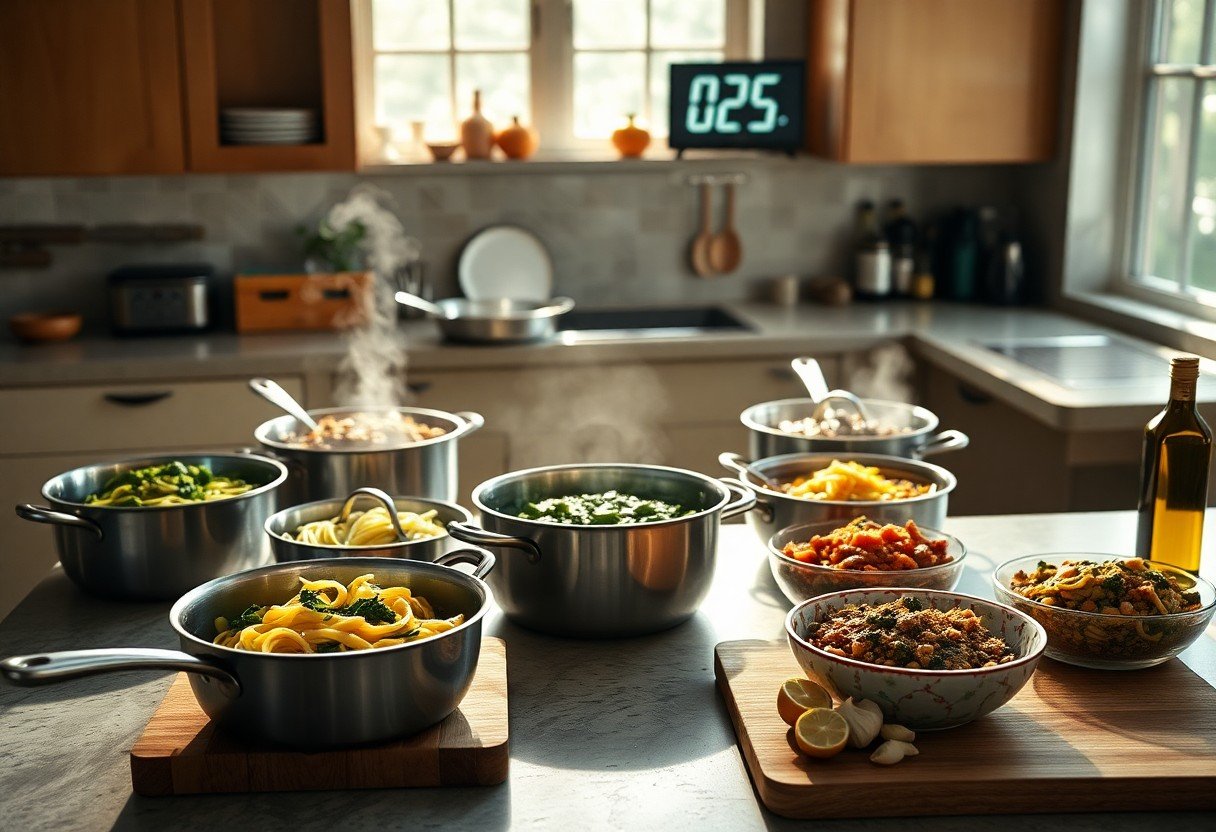
Quick, you can transform weeknight dinners with seven one-pot, nutrient-dense recipes that finish in under 30 minutes and deliver minimal cleanup; each recipe shows you how to balance flavors, control portions and follow simple safety steps to avoid undercooking and cross-contamination, so you protect your health while saving time and serving family-friendly, satisfying meals.
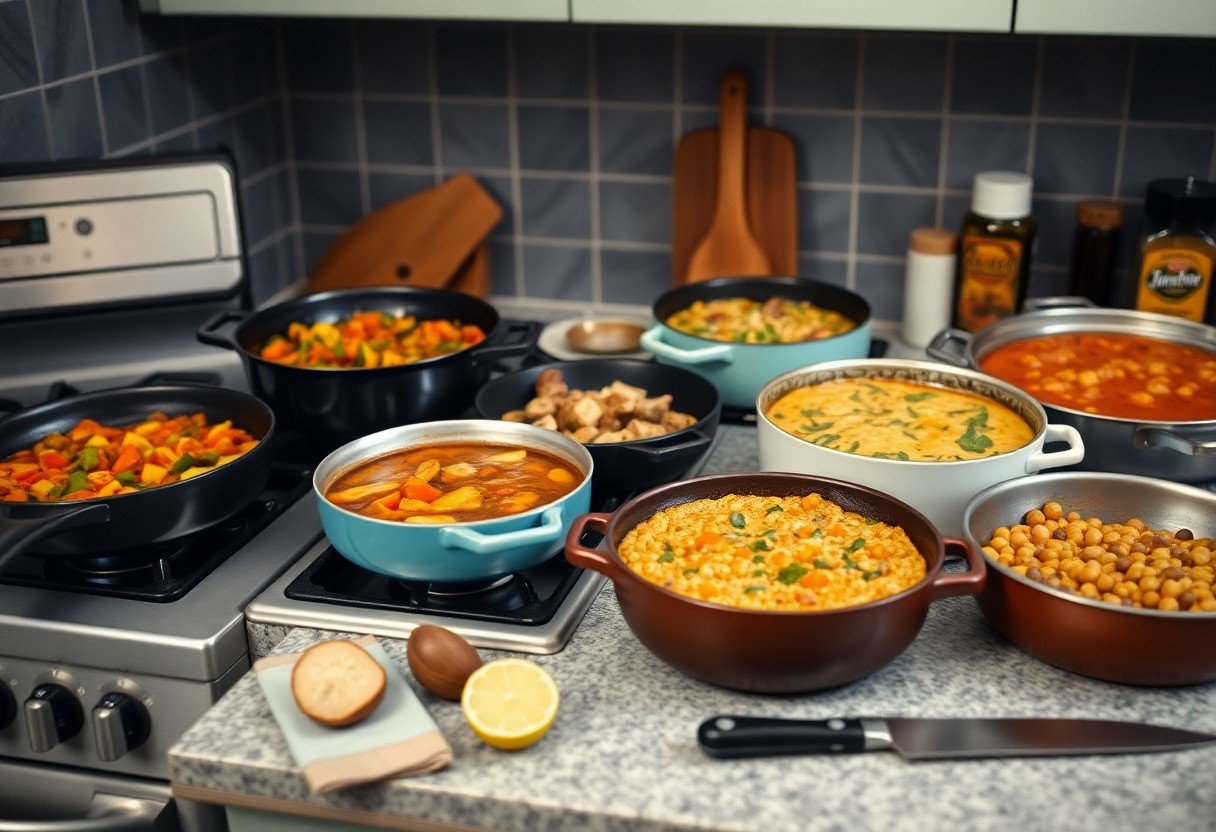
Key Takeaways:
- Fast, nutritious meals ready in under 30 minutes-perfect for busy weeknights.
- One-pot format minimizes cleanup while relying on pantry staples and seasonal produce for versatility.
- Easy to scale and customize for dietary preferences (vegetarian, low‑carb, gluten‑free).
Quick and Nutritious Pasta Dishes
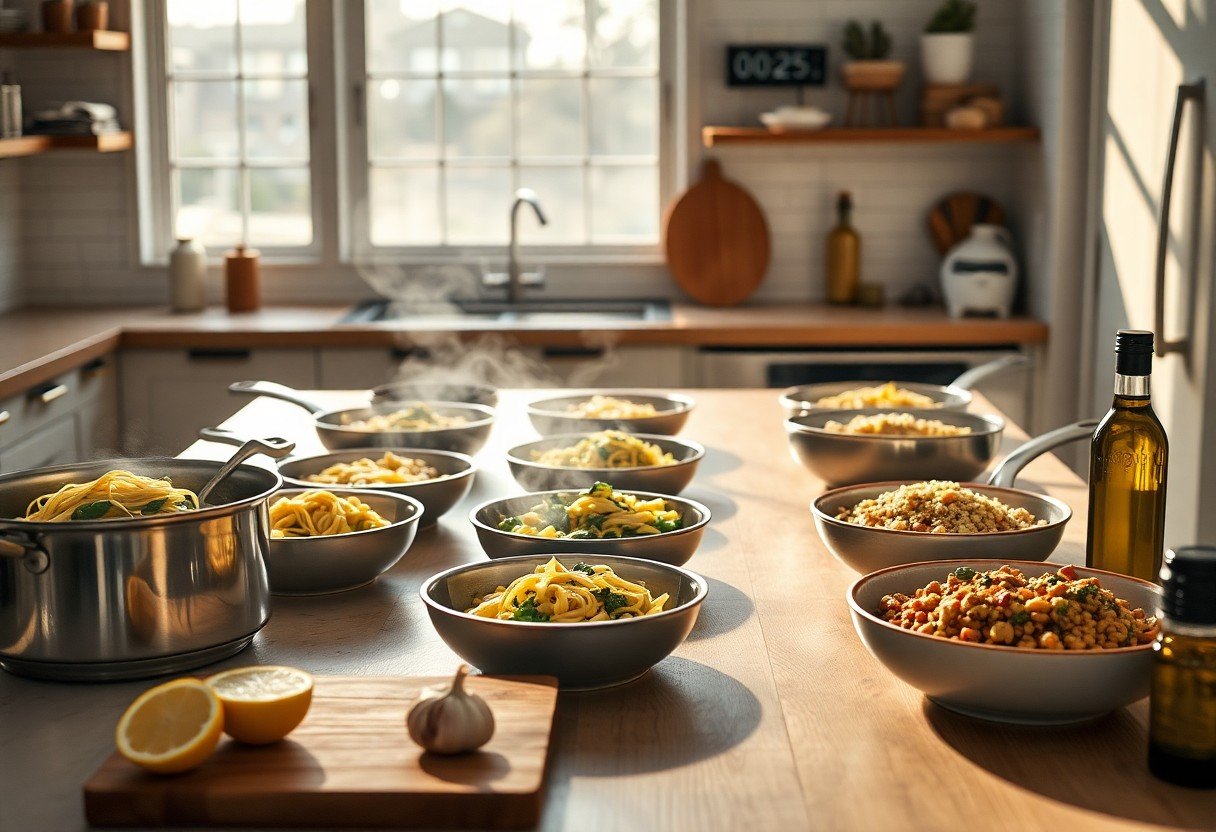
You can convert pantry staples into balanced one-pot meals in 15-25 minutes by pairing 8 ounces (225 g) pasta with 2 cups broth, 1-2 cups vegetables and 4-6 ounces lean protein for a filling plate. For example, whole-grain pasta plus 2 cups spinach and 4 ounces chicken yields extra fiber and protein while cutting cleanup. One-pot techniques preserve starches in the sauce; be cautious of scalding liquid when stirring or serving and prioritize whole grains and extra veggies for better nutrition.
One-Pot Lemon Garlic Pasta
You’ll sauté 2 cloves garlic in 1 tablespoon olive oil, add 8 ounces (225 g) spaghetti, 2 cups vegetable broth, and the juice plus zest of 1 lemon, then simmer ~12-15 minutes until al dente. Stir in 1/4 cup grated Parmesan and 2 tablespoons chopped parsley to finish; the zest gives concentrated citrus without watering the sauce. Use zest over extra juice for brightness and watch for overcooking that makes pasta mushy.
Spinach and Tomato Fettuccine
You’ll cook 8 ounces (225 g) fettuccine in 2 cups low-sodium stock with 1 cup halved cherry tomatoes and add 3 cups fresh spinach in the final 2 minutes so leaves wilt but stay vibrant-total cook 10-12 minutes. Finish with 1-2 tablespoons olive oil or 1/4 cup white beans for creaminess and protein. This combo delivers iron and lycopene; avoid over-salting if using salted broth.
For deeper flavor, toast 1 teaspoon red pepper flakes with garlic, then add 8 ounces fettuccine and 2 cups broth, stirring so the pasta releases starch and creates a silky sauce in 10-12 minutes; add spinach and tomatoes in the last 2 minutes to preserve color. If you add 1 cup canned white beans you’ll gain about 15 g extra protein; take care of hot steam when you fold the greens and adjust salt after tasting.
Hearty Grain-Based Meals
Grain bowls fuel your week with fiber and lasting energy: quinoa, farro, bulgur and couscous each add unique textures and nutrients, and you can often finish a one-pot grain dish in under 30 minutes. You’ll boost protein and fiber by pairing grains with beans or chickpeas-quinoa supplies about 8 g protein per cooked cup-and layering spices keeps flavors bold. For more quick, tested ideas try 40 Best One Pot Meals for Busy Weeknights.
Quinoa and Black Bean Bowl
You can make this as a lunch-for-two or meal-prep for the week: sauté onion and cumin, add 1 cup quinoa plus 2 cups low-sodium stock, simmer ~15 minutes, then fold in 1 cup black beans and lime juice. The combo yields a complete protein-quinoa’s ~8 g protein per cup plus black beans’ fiber-and you’ll have a balanced bowl in about 20 minutes.
Moroccan-Spiced Couscous
You’ll get big flavor with minimal fuss by toasting couscous briefly, adding warm vegetable stock, ras el hanout, cinnamon and raisins, then covering to steam for about 5-10 minutes. Finish with toasted almonds and parsley; the dish pairs well with roasted chicken or a chickpea stew if you want extra protein and fiber.
For tighter technique, toast the couscous 1-2 minutes in oil to deepen nuttiness, then pour in just-boiled stock, stir once and cover to rest for 5 minutes-fluff with a fork. If you use pearl (Israeli) couscous, increase liquid and simmer 8-12 minutes. You can add 1 cup cooked chickpeas to lift protein and make the meal more satiating without extra pans.
Filling Soup Recipes
Packed with protein and fiber, these one-pot soups prove you can get a hearty, nutrient-dense meal in under 30 minutes by using canned beans, rotisserie chicken and quick-cook grains; a typical batch serves four and delivers 10-25 g protein per serving. Use low-sodium broth, toss in 2-3 cups of seasonal vegetables, and finish with herbs and acid to brighten the bowl while keeping prep minimal.
Quick Vegetable and Bean Soup
Sauté 1 small onion and 2 garlic cloves for 2-3 minutes, add 1 can (15 oz) drained beans, 4 cups low-sodium vegetable broth and 2 cups mixed vegetables, then simmer 10-12 minutes; finish with lemon and parsley. Using canned beans keeps total cook time around 20 minutes and gives you 8-12 g fiber per serving, making this an efficient, filling weeknight option.
Creamy Chicken and Rice Soup
You start by sautéing aromatics, then add 4 cups chicken broth and 1 cup quick-cook rice, simmer 10-12 minutes before stirring in 2 cups shredded rotisserie chicken and a splash of milk or Greek yogurt for creaminess without heavy cream. Make sure you heat the soup until the chicken reaches an internal temperature of 165°F before serving to ensure safety.
For speed, use pre-cooked rice or leftover chicken-1 cup uncooked quick rice to 4 cups broth yields four servings and keeps total time under 30 minutes; swapping in leftover rice cuts time to under 10 minutes and prevents mush. If you opt for brown rice, add 20-25 minutes. Stir occasionally to avoid sticking and finish with a squeeze of lemon or hot sauce to lift the flavors.
Flavorful Stir-Fries
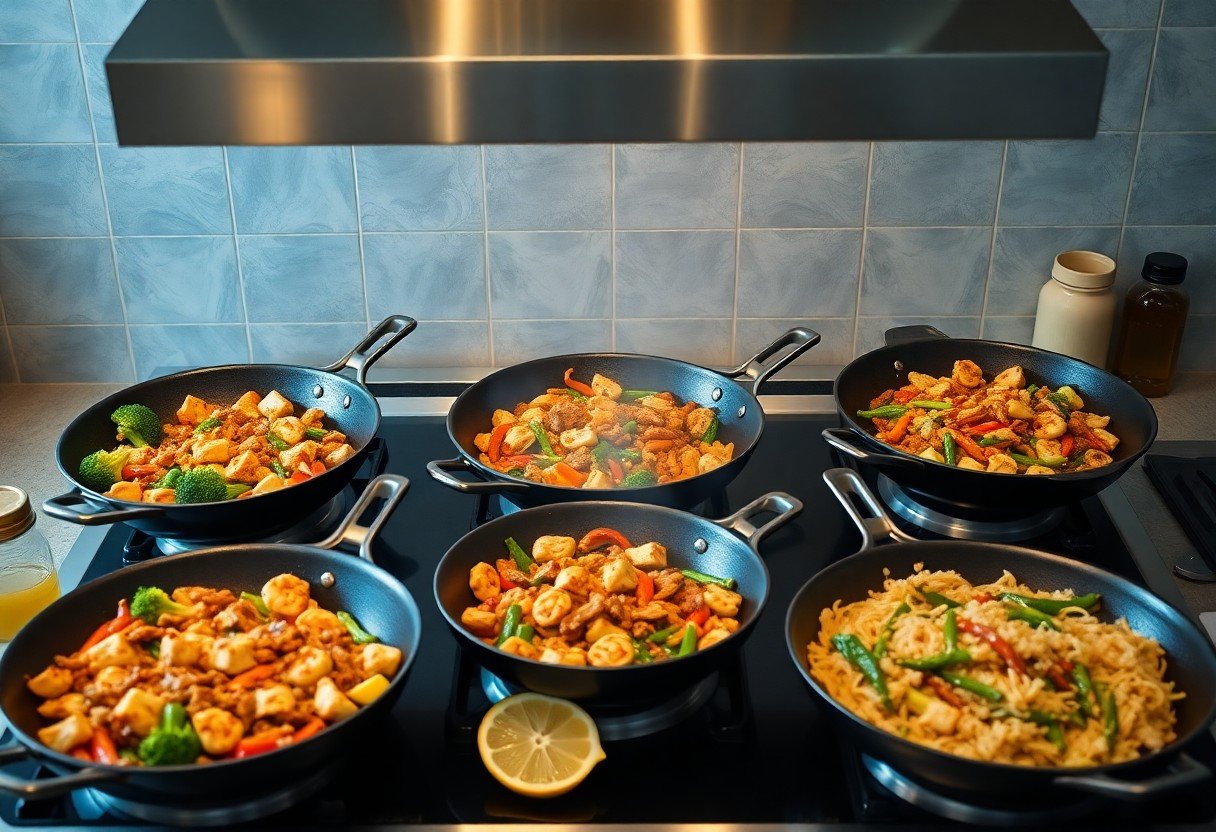
Stir-fries deliver a high-impact meal in 10-20 minutes when you prep ingredients into uniform 1/2-inch pieces and cook on high heat. Use a wok or large skillet and about 2 tablespoons of a high-smoke-point oil for 2-4 servings. Toss constantly to preserve color and crunch; hot oil can splatter, so use a long-handled spatula and a splatter guard if needed. Aim for bright vegetables and slightly charred edges for best flavor.
Shrimp and Veggie Stir-Fry
You can cook peeled shrimp in 3-4 minutes-thinly sliced bell pepper, snow peas, and shredded carrot add fiber and color. Combine 2 tbsp low-sodium soy sauce, 1 tbsp rice vinegar, and 1 tsp cornstarch for a glossy sauce; add the sauce in the last 60 seconds. Overcooking makes shrimp rubbery, so pull them as soon as they turn opaque for a total cook time around 10-12 minutes.
Tofu and Broccoli Stir-Fry
Press extra-firm tofu for 15-30 minutes, cut into 1-inch cubes, then pan-sear 3-4 minutes per side for a golden crust; use 2 cups broccoli florets par-cooked 2-3 minutes. Whisk 2 tbsp soy sauce, 1 tbsp hoisin, 1 tsp sesame oil, and 1 tsp cornstarch into a sauce and toss at the end. A 200 g block of extra-firm tofu supplies roughly 16 g protein, making this a filling vegetarian option.
For crispier texture, lightly dust pressed tofu with 1-2 tsp cornstarch before searing and cook in a hot, well-oiled pan to prevent sticking. Finish with a splash of cold sesame oil and 1-2 tbsp toasted sesame seeds for aroma. Store leftovers in the refrigerator up to 3 days and revive the crust by reheating in a skillet over medium-high heat for 3-4 minutes rather than microwaving.
Time-Saving Tips for One-Pot Cooking
Speed Techniques
You can shave 10-15 minutes by preheating the pan while chopping and using a one-pot method that layers ingredients by cook time-start with aromatics, add proteins, then quick greens; a 30-minute chicken-quinoa skillet often finishes in 25. Use a lid to trap steam and finish grains in 8-12 minutes, and avoid overcrowding, which causes uneven cooking and splatter. Less cleanup lets you rotate meals more often. The payoff is more dinners with minimal fuss.
- Pre-chop vegetables and measure spices so your one-pot meal moves from stovetop to table in under 30 minutes.
- Use high heat to sear, then lower to simmer; you’ll cut protein cook time by up to 40% for shrimp or thin chicken breasts.
- Choose a pan with a tight-fitting lid and nonstick surface to reduce cleanup to under 5 minutes.
To wrap up
With this in mind, you can rely on these seven one-pot healthy recipes to get nutritious, flavorful dinners on the table in under 30 minutes, cut cleanup, and customize ingredients to fit your schedule and dietary needs while maintaining variety and balanced meals all week.
FAQ
Q: What are the seven one-pot healthy recipes featured in “7 One-Pot Healthy Recipes Americans Can Cook in Under 30 Minutes”?
A: Mediterranean lemon chicken with quinoa and spinach; turkey and white bean chili; shrimp, broccoli, and brown rice skillet with garlic and lemon; one-pot whole-wheat pasta with spinach, cherry tomatoes, and cannellini beans; quick lentil and vegetable curry over cauliflower rice; Mexican-style cauliflower rice with black beans, corn, and avocado; tofu and snap pea stir-fry with soba noodles and a light peanut-ginger sauce.
Q: How can I adapt these recipes for common dietary restrictions like vegetarian, gluten-free, or low-carb?
A: For vegetarian or vegan swaps, replace animal proteins with tofu, tempeh, lentils, or extra beans and use vegetable broth. For gluten-free, choose certified gluten-free pasta, tamari instead of soy sauce, and check grain labels; quinoa, brown rice, and cauliflower rice are naturally gluten-free. For low-carb, omit grains and serve over cauliflower rice or increase nonstarchy vegetables; use lean proteins and limit added sugars in sauces.
Q: What equipment and pantry staples should I have on hand to make these one-pot meals quickly?
A: A large, heavy skillet or sauté pan with a lid and a Dutch oven or deep sauté pan are ideal; nonstick or stainless steel works fine. Keep staples like olive oil, garlic, onion, canned tomatoes, low-sodium broth, canned beans, dried or quick-cooking grains (quinoa, brown rice), soy sauce or tamari, chili powder, cumin, smoked paprika, and lemon on hand for quick flavor building.
Q: Any practical tips to ensure these meals actually finish in under 30 minutes?
A: Prep ingredients before you start-chop veggies, measure spices, and have proteins ready. Use high heat when appropriate, cover pans to trap steam for faster cooking, and choose quick-cooking grains or frozen vegetables. Multi-task by sautéing aromatics while grains toast or liquids come to a boil, and use pre-cooked or thin-cut proteins to shave minutes.
Q: How should I store and reheat leftovers so they stay tasty and safe?
A: Cool leftovers quickly and store in airtight containers in the refrigerator for 3-4 days or freeze for up to 3 months. Reheat gently on the stovetop with a splash of broth or water to loosen sauces and revive texture, or microwave covered in short intervals, stirring between bursts. Add fresh herbs, a squeeze of lemon, or a drizzle of olive oil after reheating to brighten flavors and restore freshness.