
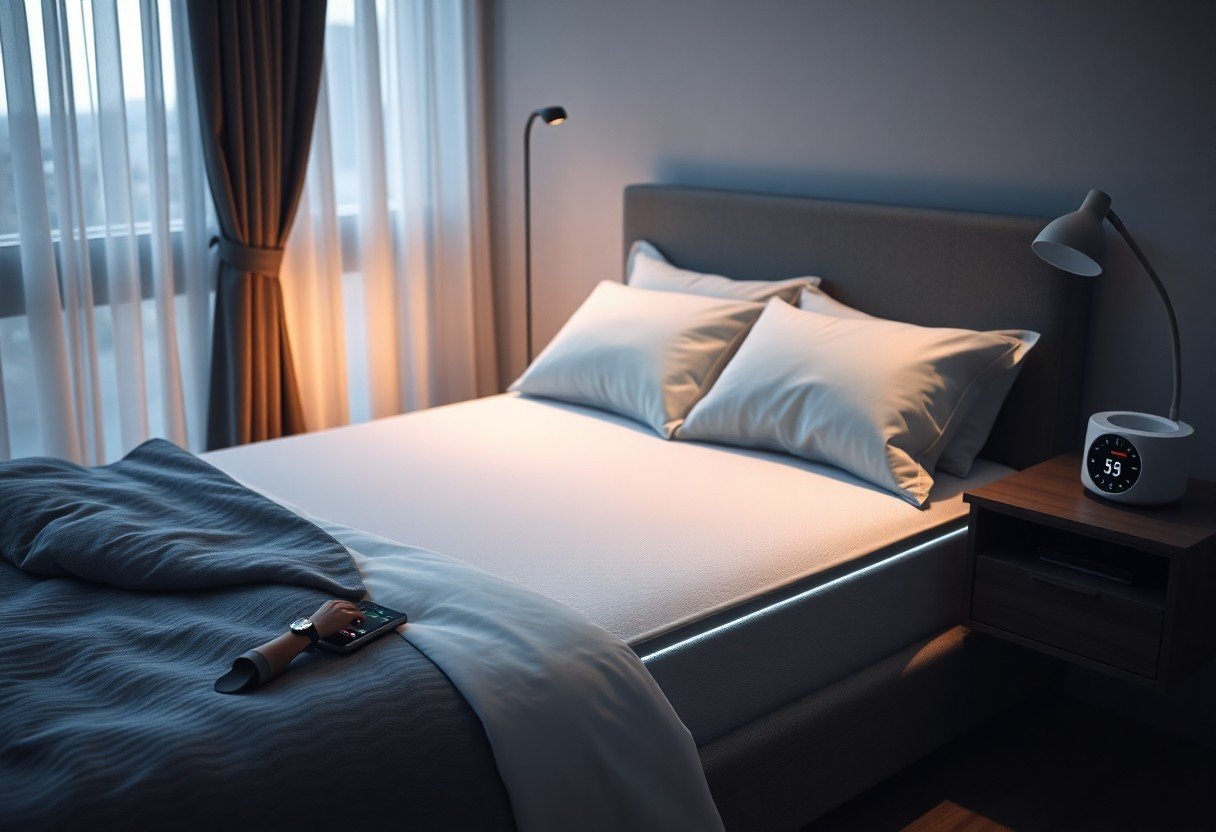
Most new sleep trends for 2025 give you actionable tools to improve rest: prioritize a consistent schedule, optimize lighting and temperature, and limit evening screens. If you use wearables or AI coaching, watch for potential privacy and over-reliance risks, and favor evidence-backed changes that boost sleep efficiency and daytime performance. Apply simple habit shifts so your body can adapt and your health improves predictably.
Key Takeaways:
- AI-driven personalization: sleep trackers and machine-learning coaches deliver individualized schedules, adaptive alarms, and targeted recommendations to improve sleep continuity and efficiency.
- Circadian alignment matters: morning bright-light exposure, consistent wake times, temperature control and meal timing are emerging as primary levers to shift sleep timing and boost daytime alertness.
- Environment and evidence-based tech over pills: adaptive lighting, calibrated soundscapes, wearable noninvasive stimulation and CBT-I apps are increasingly preferred for lasting gains in sleep quality.
The Science of Sleep in 2025
Recent data refines what you should target: adult nights typically comprise 4-6 cycles of ~90-110 minutes, with deep N3 making up about 13-23% and REM roughly 20-25%. You lose N3 with age-by your 60s deep sleep can be sharply reduced-and small shifts in circadian timing or sleep pressure can change stage distribution enough to affect daytime cognition and mood.
Understanding Sleep Cycles
You cycle between NREM and REM repeatedly-usually 4-6 cycles-with early-night cycles dominated by deep N3 and later cycles richer in REM; this pattern means that fragmenting sleep or shortening total time severely reduces restorative deep sleep. You can boost deep-sleep proportion by consolidating sleep and aligning bedtimes to your circadian phase, since naps or late sleep shifts dilute homeostatic pressure and alter stage balance.
The Role of Technology in Sleep
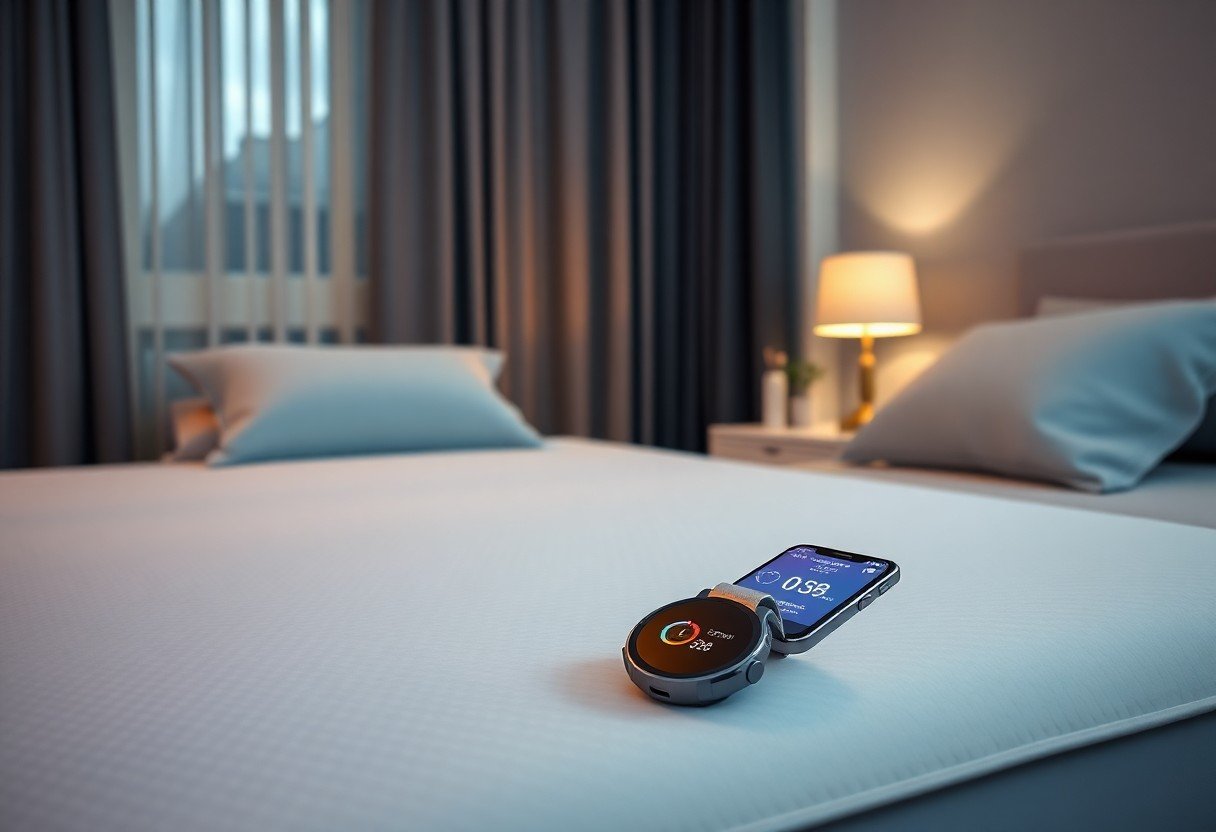
You now have devices that both help and harm: consumer wearables (Oura, Apple Watch) measure HRV, heart rate and skin temperature to estimate sleep/wake patterns, while smart lighting and CBT‑I apps change timing and behavior. Be aware that wearables often misclassify sleep stages, even if they track sleep/wake reliably, and that digital CBT‑I programs like Sleepio/SHUTi have shown substantial symptom reduction in randomized trials.
For more depth, you should note examples: wearables use accelerometry plus HRV to infer stages, so movement-free wakefulness can be scored as sleep; smart bulbs that shift color temperature and intensity can advance or delay your circadian phase, and simple interventions-blue‑light reduction in the evening or scheduled dimming-can advance melatonin onset by roughly an hour, improving sleep timing and efficiency.
Emerging Sleep Hacks
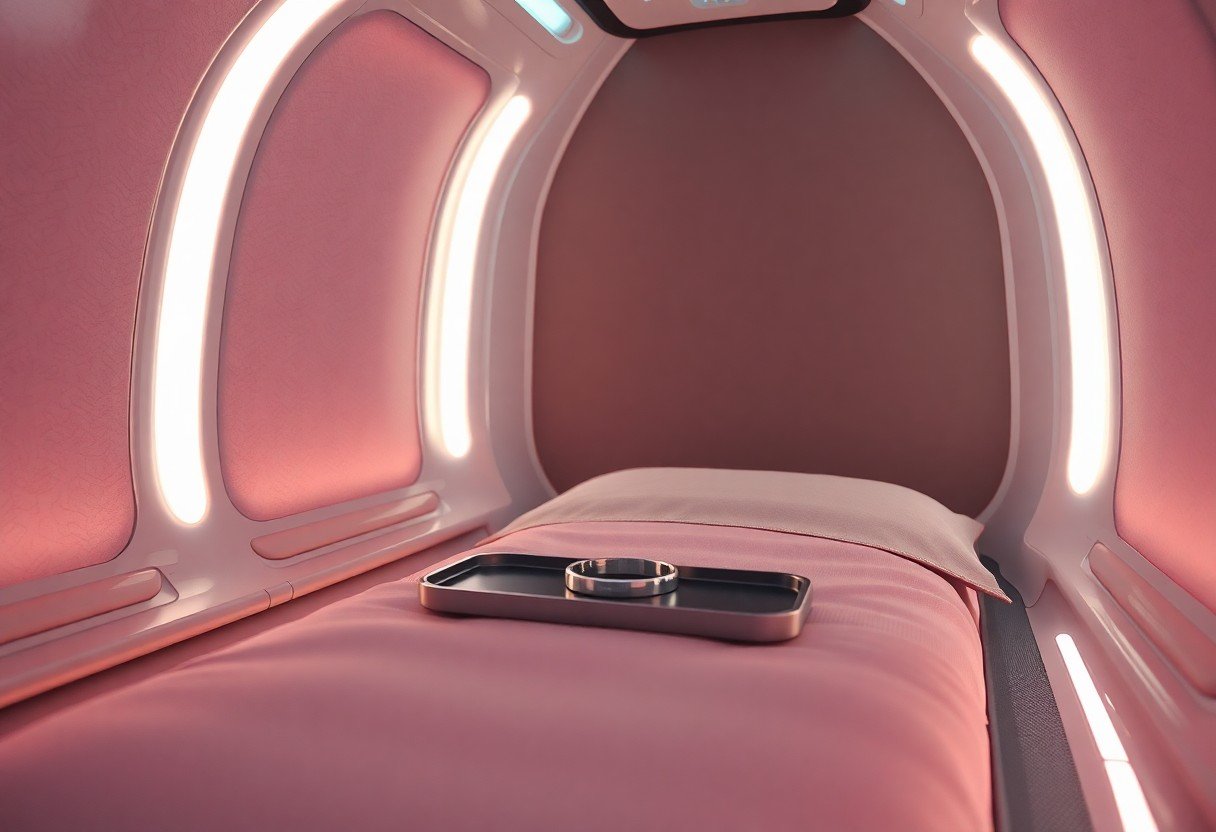
You’ll find fast-moving trends-from metabolic timing to micro-naps-reshaping how you sleep; many are compiled in 65 Sleep Hacks That Actually Work in 2025 [Backed by …. Start by testing low-risk changes: time your last caffeine to 8-10 hours before bed, try a 20-minute afternoon nap, and track responses for 2-4 weeks. Combine interventions and use objective data to see what truly improves your sleep efficiency.
Wearable Sleep Technology
Wearables like the Oura Ring, Apple Watch, and WHOOP give HRV, sleep-stage estimates, and skin temperature; in studies they estimate total sleep time within ~10-20 minutes of polysomnography. You should use trends over weeks, not single-night data, to guide changes. Be aware of accuracy limits for REM/stage detection and of privacy concerns when sharing health data with apps.
Smart Sleep Environments
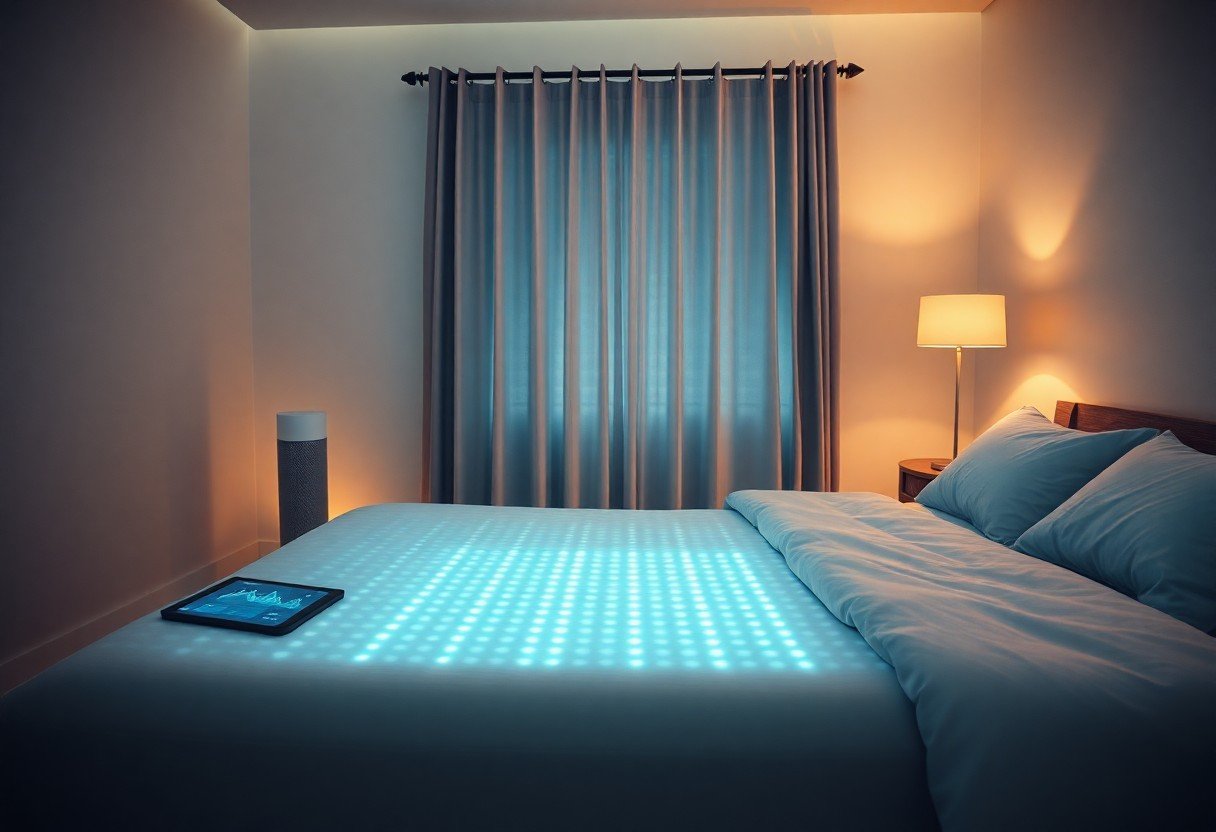
Smart environments pair thermostats, circadian lighting, and active mattresses; you can set Nest schedules, program Philips Hue to shift from 3000K to 2000K at dusk, and use Eight Sleep to cool the bed to 16-19°C (60-67°F). Small trials show sleep efficiency gains of 4-8% for combined systems. Update firmware and segment devices on a guest network to avoid security risks.
Add soundscapes and humidity control: you should aim for indoor humidity around 40-60% and keep steady ambient noise near 40 dB. Automate blinds to close 30-60 minutes before bedtime and dim lights by 50% two hours prior to reduce melatonin suppression. If you use cooling mattresses, set ramps so the bed hits 16-19°C within 60 minutes. Vet vendor privacy policies and use local control or encrypted cloud services to lower exposure.
Natural Sleep Aids
When you turn to natural aids, match the tool to the problem: melatonin or bright-light timing for circadian shifts, herbs for pre-sleep anxiety, and behavioral practices for fragmented sleep. Clinical trials show melatonin helps jet lag and shift work at 0.3-5 mg, while valerian and magnesium deliver modest gains. Pay attention to interactions and pregnancy; consult your clinician before combining supplements with prescription medications.
Herbal Supplements
Many supplements have targeted effects: melatonin (0.3-5 mg) for circadian realignment, valerian (400-900 mg) which can shave minutes off sleep latency, and magnesium (200-400 mg) improving sleep quality in older adults. Chamomile extracts (~300-400 mg) show small benefits and CBD trials used 25-150 mg with mixed results. Avoid alcohol or sedative co-use and do not combine supplements with anticoagulants or during pregnancy without medical advice.
Mindfulness and Meditation
Regular mindfulness reduces pre-sleep arousal; structured 8-week MBSR or CBT-I-informed meditation programs produce moderate improvements in insomnia severity (RCTs report ~4-6 point ISI reductions). Short practices-10-20 minutes nightly-like body-scan or coherent breathing at 4-6 breaths per minute lower sleep latency and rumination. If you have PTSD or complex trauma, some practices can temporarily increase vivid dreams; proceed with professional guidance.
Start with a 10-minute nightly protocol you can follow: 5 minutes of coherent breathing (~6 breaths/min), 4 minutes of progressive body-scan relaxation, then 1 minute of labeling intrusive thoughts to reduce reactivity. Use guided sleep packs from apps (Headspace, Calm, Insight Timer) or university MBSR recordings. Practicing this routine consistently for 4-8 weeks typically yields the largest gains in sleep continuity and daytime function; consistency matters more than length.
Sleep Hygiene Best Practices
You should aim for 7-9 hours nightly and align sleep with 90‑minute cycles when possible. Keep caffeine out after ~6 hours before bedtime, limit alcohol that fragments REM, and adopt a 30-60 minute wind‑down routine. Use consistent wake times-even on weekends-and track patterns: studies link regular schedules to better daytime alertness and fewer mood swings.
Creating the Ideal Sleep Zone
You can lower room temperature to 60-67°F (15-19°C), install blackout curtains, and reduce light to under ~10 lux while sleeping. Pick a supportive mattress and pillows for spinal alignment, keep ambient noise below ~30 dB or use masking sound, and remove screens or enable blue‑light reduction at least 30 minutes before bed to protect melatonin onset.
Importance of Consistent Sleep Schedule
Keeping bed and wake times within 15-30 minutes daily preserves circadian timing and improves sleep efficiency; irregular schedules fragment REM and slow‑wave sleep. Morning bright light for ~20 minutes anchors your phase, boosts alertness, and helps consolidate nighttime sleep so you feel more rested during the day.
When you shift sleep by more than 2 hours repeatedly you create social jetlag, linked in studies to metabolic shifts and reduced cognition; limit naps to <20 minutes and finish them before 3pm to protect nocturnal sleep pressure. Track sleep with a diary or app for 2-4 weeks and adjust timing gradually by 10-15 minutes per night for lasting improvement.
The Impact of Diet on Sleep Quality
Timing and composition of your meals shape sleep through hormones, digestion and body temperature; for instance, caffeine has a half-life of about 3-5 hours and can cut total sleep time if consumed late, while large, high‑fat meals eaten within 2-3 hours of bedtime increase nighttime awakenings and reflux that fragment sleep.
Foods to Promote Better Sleep
Choose foods that support melatonin, tryptophan and magnesium: tart cherries, two kiwifruits before bed in small trials, almonds for magnesium and tryptophan, and fatty fish like salmon for omega‑3s and vitamin D; pairing a small portion of complex carbs with lean protein (e.g., whole‑grain toast with turkey) can improve sleep onset and maintenance.
Foods to Avoid Before Bedtime
Avoid stimulants and night‑disruptors: caffeine (coffee ~95 mg/cup, tea 40 mg), alcohol, spicy or high‑fat meals, and large amounts of simple sugars-each increases awakenings, reflux or alters REM sleep, so steering clear within several hours of lights‑out lowers risk of fragmented sleep.
Mechanistically, caffeine blocks adenosine and can reduce sleep time by >60 minutes when taken within 6 hours of bedtime; alcohol initially sedates but causes REM suppression and rebound wakefulness in the second half of the night; and spicy/high‑fat foods raise core temperature and increase GERD episodes-practical rules: stop caffeine ~6 hours before bed, finish large meals 2-3 hours earlier, and limit alcohol to avoid drinking close to bedtime.
Future Trends in Sleep Research
Data from large cohorts now tie dozens of genetic variants and microbiome signatures to insomnia and sleep duration. You’ll see biomarker panels plus refined polysomnography guiding therapy based on your biology. For instance, a 2023 GWAS linked over 50 loci to sleep timing, and multi-omics pilots have matched patients to treatments more effectively. That enables personal risk profiles and earlier detection of disorders like sleep apnea that raises cardiovascular risk.
Personalized Sleep Solutions
Companies now combine wrist wearables, EEG headbands, and smartphone sensors to deliver AI-driven, daily sleep prescriptions that adapt to your responses. Trials of N-of-1 personalization have shown notable gains in adherence and sleep efficiency. You can get tailored light schedules, nap timing, and melatonin dosing based on your chronotype and HRV. These systems make AI sleep coaches and tailored timing prescriptions practical for clinical and consumer use.
Innovations in Sleep Therapy
Innovations are moving beyond pills: digital CBT-I programs deliver evidence-based therapy with response rates similar to in-person care, and implantable devices for obstructive sleep apnea like hypoglossal nerve stimulators are increasingly used. Closed-loop auditory and electrical stimulation can boost slow-wave sleep by up to 30% in controlled studies, improving memory consolidation. Hospitals are integrating these options so you can access CBT-I, hypoglossal nerve stimulation, and closed-loop stimulation pathways.
Clinical data show tangible benefits: the STAR trial of hypoglossal nerve stimulation reported a median AHI reduction of ~68% with sustained daytime sleepiness improvement, while meta-analyses of digital CBT-I find roughly 50-70% of patients achieve clinically meaningful insomnia reduction. Closed-loop auditory stimulation studies reported ~20-30% increases in slow-wave activity and measurable gains in overnight memory tasks. These options let you target therapy by severity and mechanism, reducing cardiometabolic risk from untreated disorders.
Summing up
So you should combine personalized sleep tech, circadian-aligned routines, and evidence-based behavioral tweaks to boost sleep efficiency; prioritize consistent timing, light exposure control, and reduced nighttime stimulation, and use wearable data judiciously to refine your approach-these 2025 trends let you iterate toward deeper, more restorative sleep.
FAQ
Q: What are the top trends in “Sleep Hacks for 2025” and why they matter?
A: Personalization is leading: adaptive algorithms tailor timing, light, and sound to your circadian profile. Integrated ecosystems let wearables, smart lights, mattresses, and apps coordinate behavior changes. Circadian lighting and dynamic color temperature aim to phase-shift exposure rather than just dim screens. AI-driven sleep coaching moves from generic tips to predictive interventions (e.g., suggesting an earlier wind-down before a predicted poor night). Nonpharmacologic tools-targeted red/near-infrared therapy, advanced cooling fabrics, and individualized sound-masking-are becoming mainstream. The combined effect is more targeted, data-driven adjustments that address why you sleep poorly rather than only treating symptoms.
Q: How should I use wearables and sleep apps in 2025 without overreacting to nightly variation?
A: Treat wearables as trend detectors, not definitive diagnoses. Calibrate device settings and keep a parallel sleep diary for context (stress, alcohol, naps). Focus on weekly or monthly averages-sleep regularity, sleep efficiency, and consistent timing-rather than one-off stage percentages. Choose devices validated against polysomnography when possible, enable artifact detection, and use app recommendations that translate metrics into simple actions (adjust bedtime by 15-30 minutes, lower room temp, limit late caffeine). Avoid tweaking multiple variables at once; change one habit for two weeks and observe the trend.
Q: Do circadian smart lights and blue‑light interventions actually improve sleep, and how should I set them up?
A: Yes, when used as part of a coherent routine. Set evening light to lower intensity and warmer color temperature starting 60-90 minutes before planned sleep; schedule gradual brightening for morning wake windows. Position lights to influence the face and upper body rather than indirect floor lighting. Combine lighting with midday bright-light exposure (outdoor or high‑lux indoor light) to strengthen daytime alertness and night sleep drive. Use device blue‑light filters or glasses as a complement, not a replacement, and avoid relying solely on filters if overall evening light intensity remains high.
Q: What should I know about AI sleep coaches and privacy when using new 2025 sleep platforms?
A: AI coaches can provide personalized schedules, predictive alerts, and behavior nudges, but they vary in transparency and clinical validation. Check whether models are trained on diverse populations and whether recommendations reference sleep science. Review privacy practices: prefer apps that allow local processing, clear opt-in for data sharing, and tools to export or delete your data. Be cautious about platforms that sell biometric profiles or sync broadly with advertisers. Use clinical or university‑affiliated services if you need diagnostic-level support, and consult a sleep clinician for persistent disorders.
Q: What practical, evidence‑aligned sleep hacks from 2025 trends can I implement this week?
A: 1) Fix a consistent sleep window and shift it by 15 minutes nightly until aligned with your schedule. 2) Apply circadian lighting: warm, dim light 60-90 minutes before bed and bright, cool light after waking. 3) Optimize temperature and bedding-room ~16-19°C (60-67°F) and breathable, cooling sheets or a phase‑change mattress topper if you heat up. 4) Use targeted sound masking or personalized soundscapes timed to first‑sleep onset rather than all night. 5) Limit caffeine 8-10 hours before bedtime and avoid large meals within 2-3 hours of sleep. 6) Treat wearables as trend tools: track two weeks of baseline, make one change, then reassess. These steps combine new tech capabilities with proven behavioral levers for faster impact.