
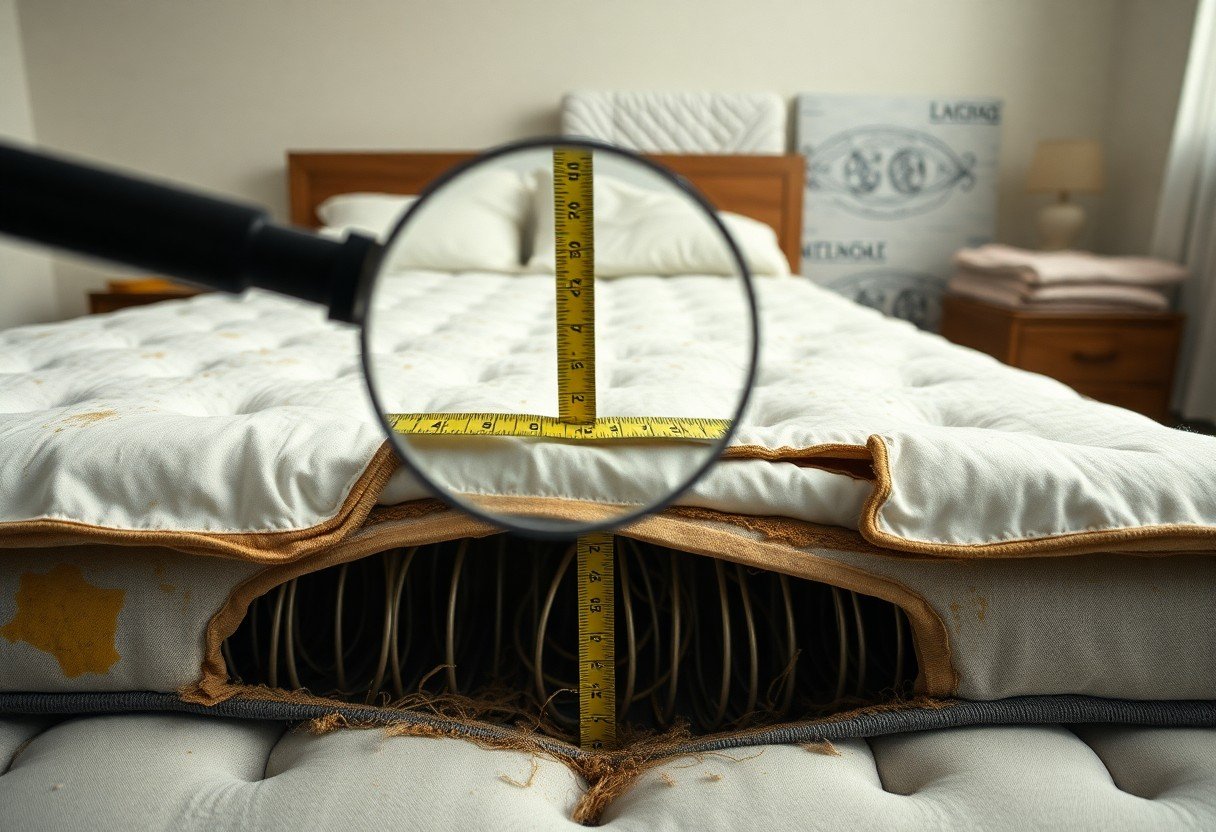
Just because your mattress looks fine, it can still be wrecking your rest: if you wake stiff, snore more, or battle allergies, worn padding, sagging, and poor support may be to blame. You should watch for visible dips, persistent pain, or sinking that disrupts alignment. Replacing a mattress can bring better spinal alignment, reduced allergies, and restored sleep quality; consider replacement when firmness, comfort, or support no longer protect your health.
Key Takeaways:
- Signs a mattress is ruining sleep: visible sagging or lumps, waking with new or worsening back/neck pain, increased nighttime tossing, or more allergy symptoms-these reflect loss of support and comfort.
- Typical lifespan guidance: most mattresses begin to lose adequate support around 7-10 years (varies by type and usage); heavy use, poor maintenance, or obvious wear justify earlier replacement.
- When to replace: if rotating/flipping, a new pillow, or trial testing don’t resolve persistent discomfort or partner disturbance, replace the mattress and check the foundation to restore proper spinal support.
Understanding Sleep Quality
Deep and REM sleep make up roughly 30-40% of your night and drive recovery, memory, and mood; if your mattress cuts those stages short by causing micro-arousals, you’ll notice daytime fatigue, slower reaction times, and poorer concentration. Adults typically need 7-9 hours, and even losing one sleep stage nightly can compound over weeks-so small mattress issues can translate into measurable health and performance drops.
The Importance of Sleep for Health
You rely on sleep for hormone balance, immune defense, and cardiovascular repair; the CDC links under‑7‑hour nights with higher rates of obesity, diabetes, and heart disease. Beyond long‑term risk, sleep shapes your daily function: impaired consolidation reduces learning and memory, while fragmented sleep elevates blood pressure and inflammation markers, making mattress-related disruptions a direct health concern.
Common Sleep Disruptors
Worn support, surface sagging greater than about 1 inch, pronounced pressure points, and poor temperature regulation are frequent mattress culprits, as are motion transfer and allergen buildup (dust mites and mold). If your partner’s movement or night sweats regularly wake you, your mattress likely contributes more than noise or stress to those awakenings.
Specifically, sagging shifts spinal alignment and increases localized pressure, producing micro-awakenings that cut deep sleep; overheating by just a few degrees can increase wakefulness and reduce slow‑wave sleep, while allergen exposure triggers nasal congestion and arousals. Replacing a 7-10 year old mattress, choosing zoned support for back pain, or adding a cooling topper are targeted fixes that often restore uninterrupted sleep quickly.
Signs Your Mattress Is Ruining Your Sleep
Physical Symptoms
When you regularly wake with neck or low‑back pain, numbness, or tingling, your mattress is often the offender. Uneven support-visible sagging, lumps, or springs poking through-creates pressure points and misaligns your spine; an indentation over 1.5 inches is a common threshold for concern. Allergens trapped in old layers also provoke congestion and headaches. If morning stiffness lasts more than 20-30 minutes, you should evaluate the mattress as a likely source.
Impact on Sleep Quality
If you find yourself waking more than twice nightly or spending long awake periods, your mattress may be fragmenting sleep cycles. Poor support increases micro‑arousals and lowers sleep efficiency; values under 85% sleep efficiency indicate significant loss of restorative REM and slow‑wave sleep. Partners commonly report more disruptions on old innersprings, and chronic fragmentation raises daytime sleepiness and impairs daytime performance.
Motion transfer from worn coils or compressed comfort layers amplifies partner disturbances, while thin or uneven padding increases repositioning and arousal frequency. Clinicians often recommend a medium‑firm surface for back pain, and manufacturers suggest replacing mattresses after 7-10 years. If you notice sagging, edge collapse, persistent odors, or worsening allergy symptoms, those are clear signs the mattress is undermining your sleep quality.
Types of Mattresses and Their Lifespans
| Mattress Type | Average Lifespan (years) |
|---|---|
| Memory Foam | 6-10 |
| Latex | 8-12 |
| Innerspring | 5-8 |
| Hybrid | 6-10 |
- Memory Foam
- Latex
- Innerspring
- Hybrid
- Lifespan
Memory Foam and Latex
With memory foam, higher-density foams (≥4 lb/ft³) typically last toward the 8-10 year range, while low-density foams may begin sagging after 4-6 years; you’ll notice increased heat retention and slower recovery if the core breaks down. Natural and synthetic latex differ: Dunlop and Talalay latex often reach 8-12 years, with Talalay providing softer contouring and Dunlop offering firmer long-term durability for heavier sleepers.
Innerspring and Hybrid Mattresses
Innerspring systems with open coils commonly show wear by 5-7 years, while pocketed coil designs with 600-1,000+ coils hold shape longer; if you hear creaking or feel uneven support, the coils may be failing. Hybrids pair those coils with foam layers and usually extend usable life to 6-10 years, though foam layer density still dictates how long the top comfort layer resists indentations.
Testing shows hybrids with pocketed coils and high-density foam (≥1.8 lb/ft³) outperform basic innersprings in pressure relief and edge support; if you weigh over 230 lb, expect faster compression-many warranties assume lighter use. You should track visible sag of >1.5 inches, persistent shoulder or hip pain, or worsening motion transfer as signs the coil assembly or comfort foam is past its effective life.
Knowing typical lifespans and failure signs helps you replace your mattress before chronic sleep loss or pain sets in.
When to Replace Your Mattress
If your mattress is older than 7-10 years, or you’re noticing sagging, spring pokes, or allergy flare-ups, consider replacement. You should watch for internal signs – indentations over 1.5 inches, edge collapse, or a warranty age beyond 8 years. Replacing can reduce nighttime awakenings and improve spinal alignment; many sleepers report measurable relief within 30-90 days after switching.
Age and Wear Indicators
Press the mattress with your palm or use a penny test to check for indentations; a sag of more than 1.5 inches at the shoulder or hip signals structural failure. You might feel springs poking, see torn fabric, or notice edges compressed >2 inches. If padding is flattened or your warranty is older than 8 years, you should replace to restore support and lower pressure-point pain.
Changes in Sleep Patterns
New or worsening morning stiffness, increased nighttime awakenings, or needing to reposition more often can indicate mattress failure. If you wake more than twice nightly, suffer daytime sleepiness, or your sleep efficiency falls below 85%, your mattress may be the cause. Partner disturbances like motion transfer and noise also point to degraded cushioning or broken coils.
You can track your sleep for 2-4 weeks with a wearable or app to compare trends: note REM duration, nap frequency, and daytime concentration. Allergens trapped in old foam can cause micro-arousals and allergy symptoms that fragment sleep; a practical test is symptom reduction after sleeping elsewhere for a week. Replacing a mattress often reduces back pain, lowers nocturnal awakenings, and improves continuity within a month.
Benefits of a New Mattress
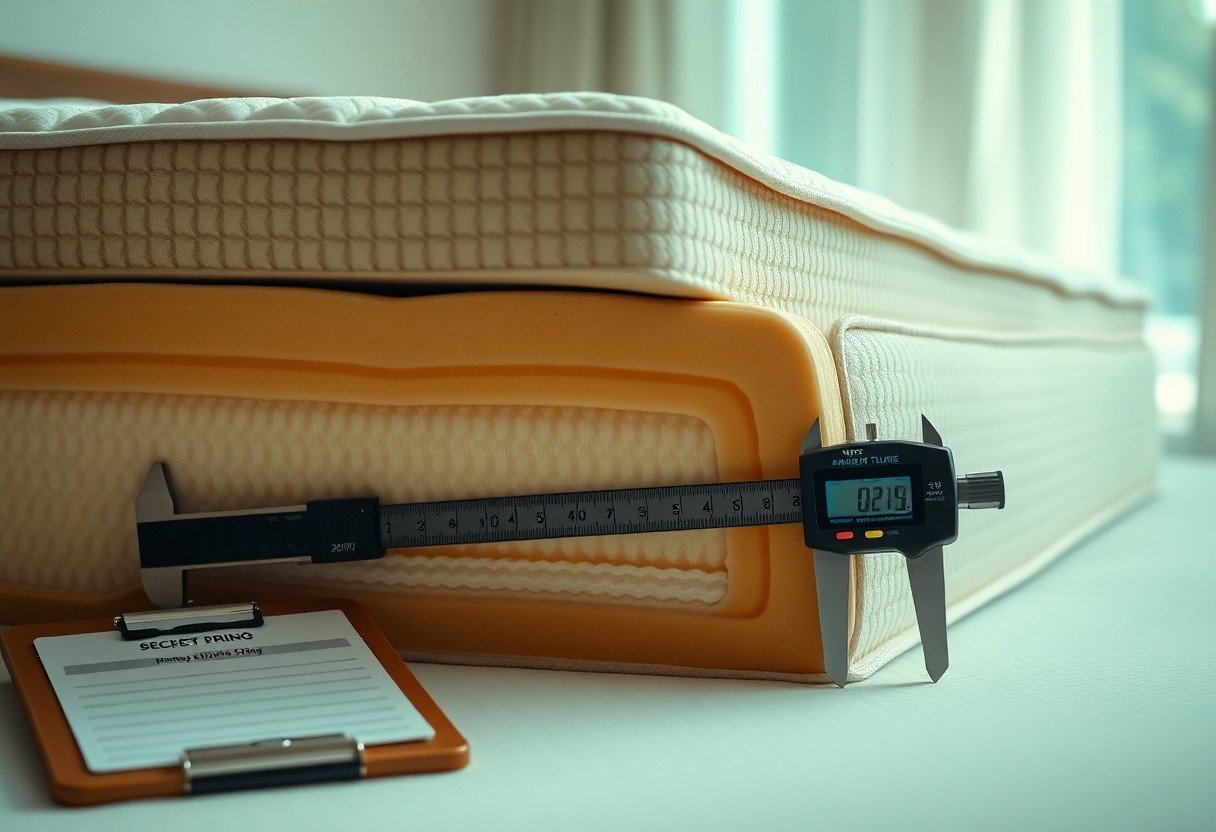
Switching to a new mattress can deliver measurable improvements: better sleep efficiency, fewer nighttime awakenings, and relief from pressure points that disrupt REM cycles. You’ll also gain access to modern features-cooling gel, zoned support, hypoallergenic covers-and industry-standard trial periods of 90-120 nights so you can test changes. Many experts advise replacing mattresses every 7-10 years to avoid performance decline and allergen buildup.
Improved Sleep Quality
You’ll notice quicker sleep onset and more consolidated rest when your mattress matches your sleep position and body weight: side sleepers often benefit from softer comfort layers, while back sleepers need firmer lumbar support. New models with breathable foams or phase-change materials can lower surface heat and reduce night sweats, and motion-isolating designs cut partner disturbances so you experience fewer awakenings and longer deep-sleep periods.
Enhanced Physical Well-Being
A supportive, well-contoured mattress reduces localized pressure on hips, shoulders, and lower back, easing morning stiffness and improving spinal alignment. If your old mattress sags more than 1.5 inches or causes you to toss and turn, upgrading to a medium-firm hybrid or zoned foam model often yields noticeable pain relief within weeks.
Delving deeper, targeted features matter: lumbar support zones keep your spine neutral, while durable coils preserve edge support for easier in-bed mobility. For allergy sufferers, breathable, antimicrobial covers and dense foams cut dust-mite reservoirs and can lower nighttime congestion. Couples benefit from motion isolation and split-firmness options so both your bodies get the support they need without disturbing each other.
Choosing the Right Mattress
You’ll want a mattress that balances support for spinal alignment and pressure relief where your hips and shoulders contact the bed; check independent reviews and guidance like When Should You Replace Your Mattress? to see typical lifespans and common failure modes such as sagging or allergen buildup. The optimal choice reduces morning pain and improves sleep continuity.
Personal Preferences and Needs
You should match firmness and materials to your sleep style and body: side sleepers usually need softer top layers, back sleepers medium support, and stomach sleepers firmer cores; people over 230 lb often benefit from reinforced edges and denser cores. Pay attention to motion isolation if you co-sleep and temperature regulation if you run hot. The right fit lowers pressure points and nocturnal awakenings.
- Support
- Pressure relief
- Temperature regulation
- Motion isolation
Testing and Research Tips
You should try mattresses briefly in-store (10-20 minutes) then rely on at-home trials of at least 30 nights; many reputable brands offer 100-night trials and warranties of 10 years or more, and return rates can indicate real-world satisfaction. Look for third-party durability testing and off-gassing data, and compare claims against lab results for durability and off-gassing. The best strategy pairs short showroom checks with extended home trials.
Seek specific metrics when researching: foam density ≥1.8 lb/ft³ in support layers, overall thickness of 10-14 inches depending on your weight, and pocketed coils for better motion isolation versus Bonnell coils; studies show denser foams resist sagging longer and warranties often reflect expected lifespan. Prioritize brands with transparent return rates and independent testing for foam density and coil construction. The clearer the data, the easier it is to predict long-term comfort.
- Trial period
- Warranty length
- Foam density
- Coil construction
Final Words
Considering all points you may be sleeping poorly because your mattress no longer supports your spine, traps heat, or harbors allergens; if you wake with stiffness, increased allergy symptoms, sagging, or it’s over 7-10 years old, it’s time to replace it. Choosing a mattress that fits your sleep style, firmness preference, and materials will restore comfort and improve your sleep quality.
FAQ
Q: How can I tell if my mattress is causing poor sleep?
A: Frequent tossing and turning, waking up with aches or numbness, increased snoring or breathing changes, and feeling unrefreshed despite sufficient hours are common signs. Physical checks such as visible sagging, uneven support when you lie down, or springs and edges that feel weak also point to mattress-related problems. Track when symptoms started and whether they improve after sleeping elsewhere to isolate the mattress as the likely cause.
Q: What is the typical lifespan of a mattress and when should it be replaced?
A: Most mattresses last between 7 and 10 years, but lifespan varies by material, construction, weight load, and care. Memory foam and hybrid models may compress faster; high-quality innerspring systems can last longer with proper rotation and support. Replace the mattress sooner if you notice loss of support, persistent discomfort, obvious structural failure, or recurring allergy symptoms linked to the bed.
Q: When do sagging and permanent indentations mean it’s time to buy a new mattress?
A: Indentations deeper than one to two inches, visible dips where you sleep, and edges that no longer support weight indicate permanent structural degradation. These issues alter spinal alignment and pressure distribution, causing pain and fragmented sleep. If rotating or flipping (when applicable) doesn’t restore even support, replacement is the practical solution.
Q: Can allergens, dust mites, or mold in a mattress ruin sleep and health?
A: Yes. Accumulated dust mites, pet dander, mold, and bacteria can trigger nasal congestion, coughing, skin irritation, and allergic reactions that disrupt sleep quality. Mattresses older than several years or stored in humid conditions are higher risk. Regular cleaning, mattress protectors, and addressing moisture problems can help, but severe contamination or persistent allergy symptoms mean it’s safer to replace the mattress.
Q: Should I replace my mattress if I wake with back pain, stiffness, or if my partner’s movement disturbs me?
A: Waking with new or worsening back and joint pain that improves away from bed suggests the mattress is no longer providing proper spinal support and should be replaced. If your mattress transfers motion strongly and you and your partner wake each other frequently, consider a mattress with better motion isolation such as memory foam, hybrid, or individually pocketed coils. Also evaluate firmness: a mattress that’s too soft or too firm for your sleep position can cause strain and merits replacement or a different model.