

Just as demands escalate, you must treat workplace stress seriously: unchecked burnout and chronic anxiety harm your health and performance. Assess triggers, document workload, and enforce practical boundaries like set boundaries and regular breaks. Use proven tools-structured time, clear communication, and seek support from peers or professionals-to preserve focus, resilience, and long-term wellbeing.
Key Takeaways:
- Recognize and address specific stressors: track symptoms, prioritize tasks, set clear boundaries, and communicate limits or accommodation needs with supervisors.
- Use support and resources: access employee assistance programs, mental-health professionals, and peer networks to reduce isolation and get practical help.
- Protect daily wellbeing and recovery: schedule regular breaks, maintain sleep and exercise routines, practice brief stress-reduction techniques, and take leave when needed.

Understanding Workplace Stress
You deal with stressors that accumulate: tight deadlines, constant connectivity, and shifting expectations. A 2021 APA survey found nearly 8 in 10 workers experienced work-related stress, and you may notice early signs like disrupted sleep, irritability, or declining focus. Employers often underestimate how quickly small pressures compound into burnout and reduced performance, so you should monitor patterns and intervene before symptoms escalate.
Key Factors Contributing to Workplace Stress
Excessive workload, unclear roles, lack of control, and poor leadership commonly drive strain; remote or hybrid setups can blur boundaries and fuel constant availability. High-pressure industries often demand long hours-tech startups and healthcare frequently report elevated stress and turnover-while economic uncertainty raises job insecurity. Recognizing these drivers helps you target interventions.
- Workload – unrealistic volume or pace
- Deadlines – compressed timelines and multitasking
- Lack of control – limited decision-making authority
- Role ambiguity – unclear expectations or responsibilities
- Poor management – inadequate feedback or support
- Job insecurity – layoffs, contract instability
- Work-life imbalance – blurred boundaries from remote work
The Impact of Workplace Stress on Mental Health
Chronic workplace stress increases your risk of anxiety, depression, and prolonged burnout; the WHO estimates mental health conditions cost the global economy about $1 trillion annually in lost productivity. You may see higher absenteeism, presenteeism, and impaired decision-making, and teams with unmanaged stress report lower engagement and higher turnover.
Longer-term effects include sleep disruption, weakened immune response, and elevated blood pressure, which worsen recovery and performance; for example, during COVID-19 some clinician surveys found burnout rates approaching 50%. You should treat persistent symptoms as signals to seek support, adjust workload, or pursue targeted interventions like therapy, schedule redesign, or manager coaching.
How to Identify Signs of Stress
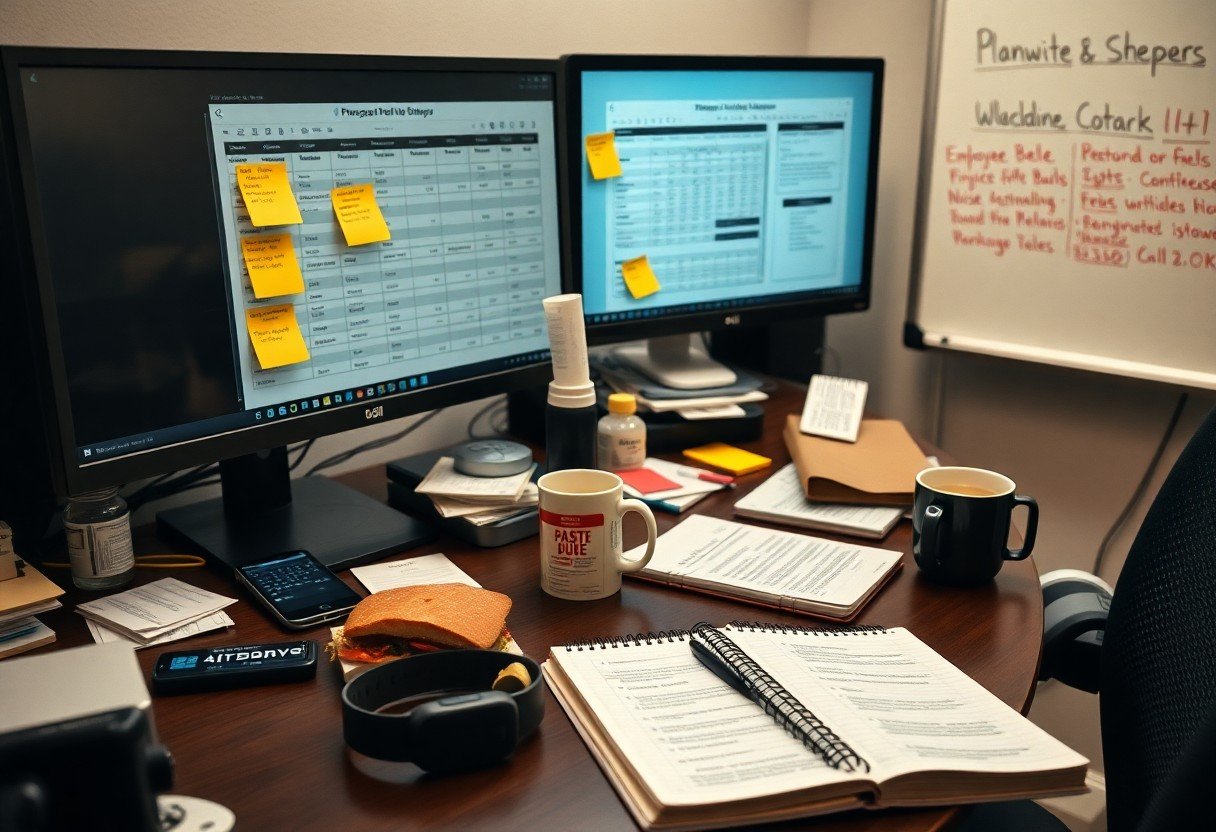
You should monitor patterns: about 1 in 5 U.S. adults experience mental illness annually and workplace pressure often precedes spikes in absenteeism or errors. Track sleep, appetite, concentration, productivity, and interpersonal friction; if several issues persist beyond two weeks, escalate. Use employer guidance and tools from the Department of Labor at Mental Health at Work to evaluate policies, accommodations, and crisis plans.
Recognizing Physical Symptoms
You may notice frequent headaches, muscle tension, gastrointestinal upset, or disrupted sleep; pay special attention to chest pain or severe shortness of breath because those require immediate medical evaluation. Fatigue that reduces your output, recurring infections from lowered immunity, or regular migraines signal escalating stress and the need for adjustments to workload or medical follow-up.
Emotional and Behavioral Indicators
You’ll feel increased irritability, mood swings, apathy, or emotional numbness; socially you might withdraw, miss meetings, or avoid feedback. Changes in coping-rising alcohol or stimulant use, increased risk-taking, or chronic procrastination-often precede declines in performance and should prompt intervention.
In practice, stress-induced behavioral shifts show up in measurable ways: one team doubled its sick days and saw turnover rise after a high-demand quarter, illustrating how persistent emotional changes translate to lost productivity and morale. Track missed deadlines, error rates, and engagement scores to quantify impact and justify accommodations, coaching, or clinical support for your team.
How to Develop Coping Strategies
Time Management Tips
Use structured approaches to reduce overload: apply time-blocking, the 25/5 Pomodoro rhythm, set 2-3 daily MITs (most important tasks), and delegate low-value work. Examples: reserve mornings for deep work and batch email to two slots a day to cut context switching.
- Time-blocking
- Pomodoro
- Delegation
- Prioritization
After you limit meetings and protect focused blocks, studies suggest you can recover about 1-2 hours daily.
Mindfulness and Relaxation Techniques
Try brief, repeatable practices: deep breathing (box or 4-4-6 patterns), a 5-10 minute body scan, or quick progressive muscle relaxation to lower acute tension; these can reduce heart rate and perceived stress within minutes, so you can reset between tasks.
Start with a simple protocol: inhale 4s, hold 4s, exhale 6-8s for six cycles; then run a 5-minute body scan or tense-and-release each major muscle group for 5-7s. Use guided 10-20 minute sessions from apps or EAP resources, and log your stress on a 1-10 scale before/after; consistent daily practice typically shows measurable benefits within 2-8 weeks.
How to Communicate About Stress
If stress is affecting your work, plan concise, evidence-based conversations: book a 15-20 minute check-in, bring a one-page brief listing 2-3 concrete impacts (missed deadlines, overtime hours, error rate) and propose specific solutions with timelines. Use editable tools (shared task list, weekly priorities) and reference HR policies like ADA or FMLA when appropriate. Prioritize clear examples and a follow-up date so your concerns convert into measurable changes and avoid escalation into persistent burnout.
Approaching Your Supervisor
Open with the most measurable issue-“I missed two deadlines this month due to competing priorities”-then present options: reassign one project, extend a deadline by one week, or reduce meeting load by 30%. Offer a brief plan for monitoring (biweekly check-ins, simple KPI: tasks completed). Keep tone solution-focused, document the conversation in email, and ask for a written agreement so you and your supervisor track progress and protect your workload limits.
Talking to Coworkers
Be selective: choose one or two trusted colleagues and state a clear request-cover a 2-hour review, swap shifts for three days, or hold communication to Slack for non-urgent items. Use concrete boundaries like “no meetings before 9 AM” and signal when you need support with a short template message. Maintain confidentiality, avoid venting in public channels, and reinforce positive outcomes when peers help so cooperative norms stick and avoidable overload is reduced.
For practical follow-through, create a short template: “Can you cover X task by Friday? I can take Y next week.” Try a two-week pilot with agreed metrics (time saved, errors reduced) and document results in one paragraph after the trial. If patterns emerge, propose a permanent process change-this turns informal help into a measurable team-level solution that protects your mental health and productivity.
How to Create a Supportive Work Environment
Building Positive Relationships
You can strengthen relationships by instituting weekly 15-30 minute one-on-ones, peer-mentoring circles, and brief daily huddles to surface issues early; Gallup data links engaged teams to roughly 21% higher profitability, and the American Institute of Stress estimates workplace stress costs employers about $300 billion a year, so investing in social support yields measurable returns. Encourage active-listening training and 360° feedback to reduce isolation and turnover.
Implementing Stress-Reducing Programs
You should deploy a mix of offerings-flexible schedules, paid mental-health days, an EAP, on-site or virtual counseling, and short guided mindfulness breaks-since EAP utilization is often under 10% unless actively promoted. Meta-analyses of MBSR and similar programs show reductions in perceived stress of about 20-30%, so combine evidence-based programs with communication campaigns to boost uptake.
Start with a 3-month pilot of 20-30 volunteers, set SMART targets (absenteeism, turnover, engagement), and budget roughly $50-$200 per employee annually depending on services. Track utilization, sick days, and pulse-survey scores; if utilization rises by 5-10 percentage points and engagement improves, scale the program while sharing concrete success stories to sustain momentum.
Tips for Maintaining Work-Life Balance
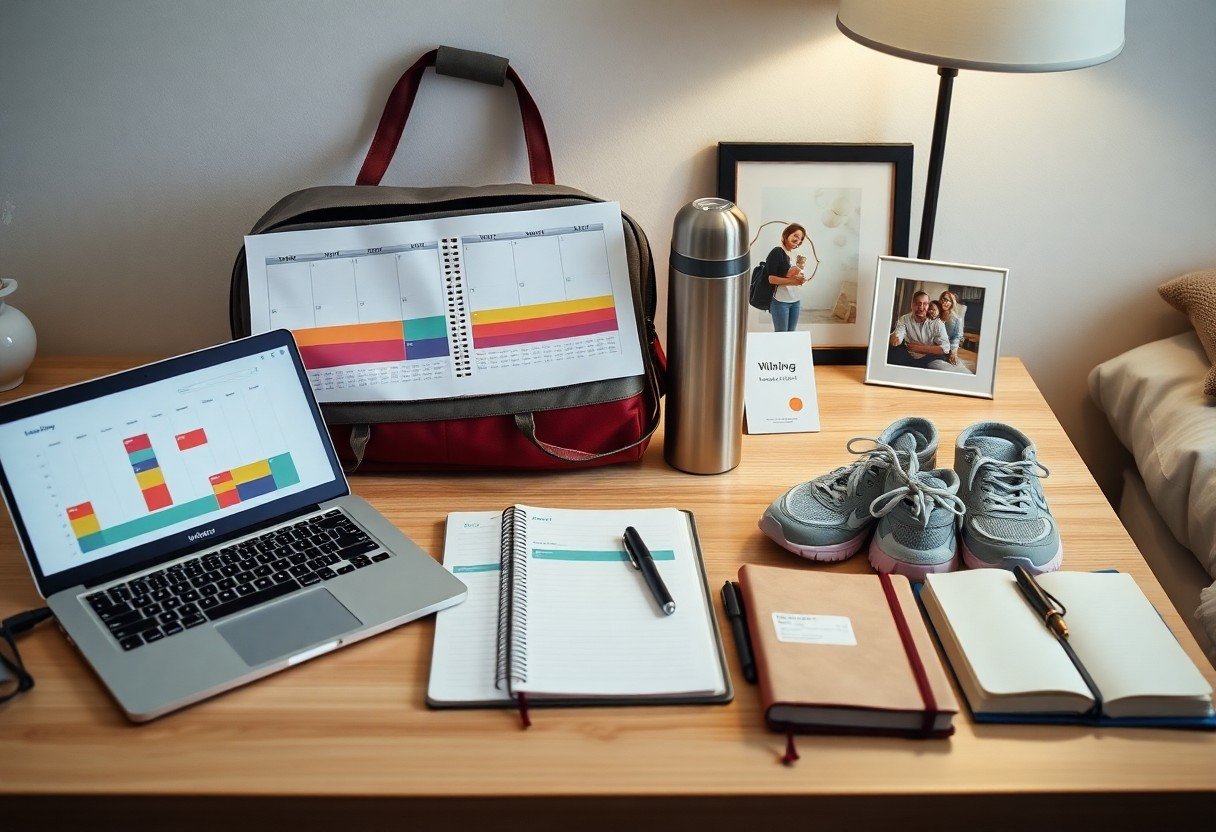
You reduce overload by using time blocking, setting firm end-of-day rules, and protecting nonwork routines so work doesn’t spill into evenings; about 1 in 5 adults report persistent workplace-related distress. Automate status messages and batch similar tasks to cut context switches and preserve focus. After you perform a brief weekly calendar audit, block at least two multi-hour personal windows and treat them as nonnegotiable.
- Time blocking – reserve focused work, meetings, and personal time on your calendar.
- Notifications – mute noncritical alerts outside your designated work hours.
- Delegation – hand off tasks that others can complete to lower your load.
- Scheduled breaks – take short pauses every 60-90 minutes to restore attention.
- Planned time off – use vacation and mental-health days to prevent burnout.
Setting Boundaries
You communicate limits by blocking work hours on your calendar and sharing them with the team, using an out-of-office or status message when unavailable to reduce interruptions. Negotiate deliverables during 15-20 minute check-ins, and turn off email and chat notifications after your cutoff so expectations align. Enforce consistency-delayed responses signal your boundary is real and effective.
Prioritizing Self-Care
You schedule sleep, movement, and social time as appointments: aim for 7-9 hours of sleep and about 150 minutes of moderate activity weekly to lower physiological stress. Track simple metrics-hours slept, workouts, or social interactions-and protect those blocks the same way you protect meetings.
Practical tactics include a 10-minute morning routine with hydration and a single priority, plus 5-10 minute microbreaks every 60-90 minutes to reset. If available, use your employer’s EAP or mental-health days; studies show using workplace supports reduces prolonged stress. Consider short therapy or coaching bursts to acquire coping tools that persist beyond immediate crises.
Final Words
From above, you have clear actions to identify stressors, set firm boundaries, seek support, and adopt effective coping strategies to protect your mental health at work. Prioritize sleep, regular breaks, realistic workloads, and use employee resources or professional help when needed; track progress and adjust tactics to preserve your wellbeing and sustain performance.
FAQ
Q: What common factors drive workplace stress for employees in the United States?
A: High workloads, long or unpredictable hours, tight deadlines, understaffing, unclear role expectations, poor management or lack of feedback, job insecurity, low control over work, harassment or discrimination, and rapid organizational change are frequent contributors. Economic pressure, inadequate benefits, commuting strain, and the blurring of work/home boundaries from remote or hybrid arrangements also raise stress levels.
Q: How can I tell if workplace stress is harming my mental health?
A: Signs include persistent anxiety or excessive worry, irritability, mood swings, difficulty concentrating or making decisions, memory problems, sleep disturbances, fatigue, headaches, stomach issues, increased use of alcohol or drugs, withdrawing from colleagues, declining job performance, and more frequent sick days. If these symptoms interfere with daily functioning or last several weeks, seek professional help.
Q: What immediate actions can I take to protect my mental health while on the job?
A: Take short, regular breaks to move and breathe; practice grounding or brief mindfulness exercises; prioritize and break tasks into manageable steps; set and communicate realistic boundaries about availability; decline additional tasks when capacity is reached; use scheduled focus blocks and turn off nonimperative notifications; talk with a supervisor or HR about workload adjustments; access an employee assistance program (EAP) if offered; and use personal time off when needed to recover.
Q: What long-term strategies reduce the impact of workplace stress?
A: Build consistent habits: regular sleep, balanced nutrition, routine physical activity, and stress-reduction practices (mindfulness or CBT-based techniques). Develop time-management and delegation skills, pursue training to increase competence and control, create supportive workplace relationships, plan career moves if the role is consistently harmful, seek therapy or counseling when needed, and establish financial and life-admin safeguards to lower external stressors.
Q: What can employers, coworkers, and public resources do to help, and what legal protections exist?
A: Employers can reduce risk by managing reasonable workloads, offering flexible schedules, providing mental health benefits and EAPs, training managers in supportive supervision, enforcing anti-harassment policies, and making accommodations for mental health under the Americans with Disabilities Act when appropriate. Coworkers can offer support, cover tasks during crises, and model healthy boundaries. Legal protections like FMLA allow eligible employees unpaid leave for serious health conditions; ADA may require reasonable accommodations. For immediate crisis support in the U.S., call or text 988 for the Suicide & Crisis Lifeline; national organizations such as NAMI provide resources and local referrals.