
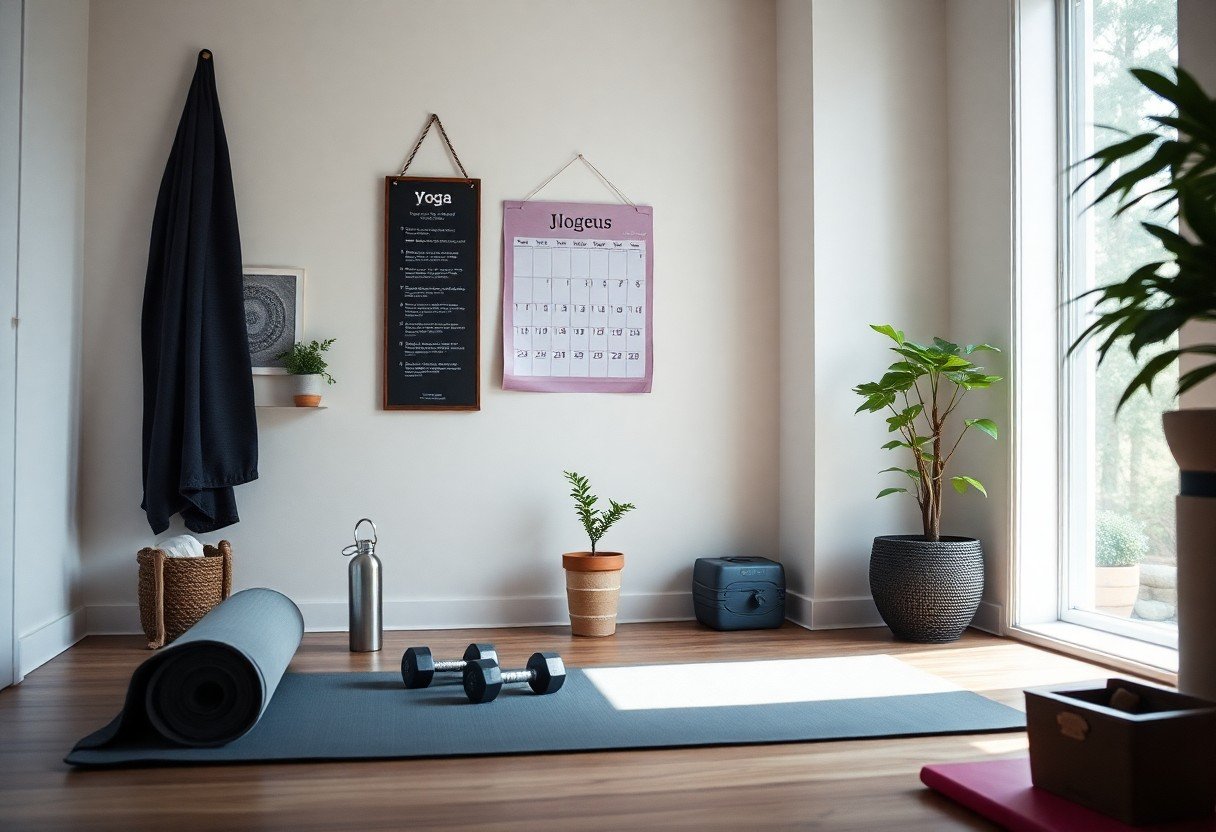
Many people struggle to stay motivated when it comes to home workouts, but implementing specific psychological strategies can enhance your commitment. By establishing a reward system and visualizing your goals, you can foster a more positive mindset. Additionally, surrounding yourself with a supportive community and incorporating variety into your routines will help maintain your enthusiasm. Understanding these psychology tricks will empower you to overcome obstacles and make your home workouts a consistent part of your lifestyle.
Key Takeaways:
- Set specific, achievable goals to create a sense of accomplishment.
- Incorporate variety to keep workouts engaging and avoid boredom.
- Visualize success and positive outcomes to enhance motivation and commitment.
The Importance of Motivation in Home Workouts
Understanding Motivation
Motivation is the driving force behind your commitment to home workouts. It influences your willingness to initiate and sustain physical activity, especially when faced with distractions or fatigue. Understanding what motivates you-whether it’s achieving fitness goals, boosting your mood, or improving health-can enhance your ability to stick with a routine.
The Role of Psychology in Fitness
Your mindset plays a significant role in how you approach fitness. Psychological factors, such as self-efficacy and intrinsic motivation, directly impact your workout consistency and performance. Engaging in exercises that you enjoy increases adherence, while setting achievable goals fosters a sense of accomplishment that propels you forward.
Studies show that individuals with high self-efficacy-confidence in their ability to succeed-are more likely to maintain long-term workout routines. When you frame your fitness journey as a series of rewarding experiences rather than a chore, you’re more likely to stay consistent. Visualization techniques and positive affirmations can also enhance your motivation by reinforcing your belief in your capabilities, helping you to overcome obstacles and maintain momentum in your home workout regimen.
How to Set Realistic Goals
Short-term vs Long-term Goals
Understanding the difference between short-term and long-term goals is vital for your success in home workouts. Short-term goals can include completing a set of workouts each week, while long-term goals focus on broader outcomes, such as achieving a certain fitness level or improving overall health over several months. Setting both allows you to maintain motivation through quick wins while keeping an eye on the bigger picture.
SMART Goals Framework
The SMART goals framework is effective in ensuring your goals are well-defined and attainable. Each goal should be Specific, Measurable, Achievable, Relevant, and Time-bound. This structure helps you articulate what you want to achieve clearly, making it easier to devise a plan that leads to success.
For example, instead of a vague goal like “get fit,” a SMART goal would be “complete a 30-minute weight training session three times a week for the next month.” This level of detail provides clarity on what you aim to achieve and allows you to monitor your efforts effectively. Ensure that your goals align with your personal aspirations and fitness level to maintain engagement and commitment.
Tracking Your Progress
Monitoring your progress is crucial to maintaining motivation. When you can see how far you’ve come, it reinforces your commitment to your goals. Utilize journals, fitness apps, or spreadsheets to log your workouts, dietary habits, and milestones achieved, creating a visual representation of your journey.
For example, tracking metrics such as the number of workouts completed, weights lifted, or even improvements in flexibility can significantly boost your motivation. Reviewing your progress weekly helps in recognizing patterns, adjusting your goals if necessary, and celebrating small victories, which can lead to sustained commitment and enthusiasm for your workouts.

Tips for Creating a Positive Workout Environment
- Ensure your space promotes focus and energy.
- Choose a room with adequate space and privacy.
- Edit distractions by limiting noise and clutter.
- Incorporate elements that inspire positivity and creativity.
- Establish a routine that reinforces consistency
Organizing Your Space
Start by decluttering your workout area to create a sense of tranquility. Keep crucial equipment easily accessible while storing away items that may distract you. Consider creating designated zones for different types of workouts to streamline your routine and foster a focused atmosphere.
Importance of Lighting and Ambiance
Your environment’s lighting significantly affects your mood and energy levels. Bright, natural light can enhance positivity, helping you feel more awake and motivated. Conversely, softer lighting may promote calmness, ideal for yoga or meditation. Pay attention to the ambiance to create an inviting spot that inspires you to move.
Studies show that lighting impacts performance; bright illumination can help revitalize your energy during workouts, making you feel more alert and engaged. You might also want to consider adjustable lighting options that shift between bright and soft, adapting your space to match your workout type and emotional needs. This balance can enhance focus while reducing fatigue throughout your sessions.
Using Music to Enhance Motivation
A carefully curated playlist can greatly influence your workout performance. High-tempo tracks can boost your energy and encourage you to push harder, while calming melodies may support recovery sessions. Select music that resonates with you to maximize focus and enjoyment during your exercises.
Research suggests that music can improve endurance by as much as 15%, allowing you to work out longer and feel less exertion. Incorporating rhythmic beats often encourages you to synchronize movements and enhance overall performance. This makes your home workout not just effective but also fun, creating an engaging atmosphere that draws you back day after day.
Psychological Tricks to Boost Your Commitment
Visualization Techniques
Visualization can significantly enhance your commitment to home workouts. Picture yourself achieving fitness goals, whether it’s running a mile faster or completing a challenging workout. Create a vivid mental image of your desired outcomes and regularly immerse yourself in that vision. This technique not only motivates but also reinforces your belief in your ability to succeed. For more on using visuals to inspire active living, check out How I Got Myself to Exercise.
Reward Systems to Encourage Fitness
Incentives can powerfully drive your workout routine. Establish a reward system for milestones, like treating yourself to a special item or activity after accomplishing set fitness goals. Associating workouts with positive outcomes strengthens your motivation and commitment to maintain consistency.
Consider implementing immediate small rewards, like enjoying a favorite snack after a workout, alongside larger milestones such as a weekend getaway for sustained effort. This dual approach creates a positive reinforcement loop, making workouts more enjoyable and less of a chore. As research shows, incorporating rewards can improve adherence to fitness routines significantly.
Building a Workout Habit
To cultivate a lasting workout habit, start small and gradually increase intensity or duration. Begin with short sessions at consistent times, allowing your brain to associate those moments with exercise. Consistency creates familiarity, which reduces the mental resistance to working out.
Establishing a time for your workouts creates a routine, making it part of your daily life. Remarkably, it takes about 21 days to form a habit. Stick with it, and you will find workouts seamlessly integrating into your lifestyle. Using tools like reminders or workout buddies can strengthen this habit formation process as well.

Factors That Influence Motivation
- Personal Mindset
- Social Support
- Accountability
- Routine
Personal Mindset and Attitude
Your mindset shapes how you perceive challenges and setbacks. A positive attitude can enhance your resilience and willingness to push through tough days, while a negative outlook can lead to self-doubt and decreased motivation. Focus on adopting a growth mindset, where you see obstacles as opportunities for growth and learning. Thou must believe that consistency will yield results.
Social Support and Accountability
Having a structured support system can offer emotional and motivational boosts. For example, if you’re part of a fitness group, the encouragement from peers can help you stay focused, and sharing your goals can make you feel obliged to meet them. Engaging in friendly competition or challenges also fosters a sense of camaraderie and keeps motivation high.
The Impact of Routine on Consistency
Establishing a routine builds habits that reinforce your commitment to home workouts. By scheduling your workouts at specific times, you reduce decision fatigue and make exercise a regular part of your life. This consistency makes it easier to stay motivated and creates a sense of accomplishment.
A well-structured routine not only helps in habit formation but also provides a framework for measuring your progress. For instance, incorporating specific days for strength training or cardio creates a predictable pattern you can rely on, making it less likely you’ll skip workouts. Additionally, assigning yourself mini-goals within your routine can offer consistent celebrations of achievement, reinforcing your motivation to continue.
How to Overcome Common Barriers to Motivation
Finding Time for Workouts
Scheduling workouts can feel impossible amidst a busy lifestyle. To make it easier, prioritize your workouts just like any other appointment. Set aside specific times blocked off in your calendar, treat them as non-negotiable, and consider early mornings or late evenings when distractions are minimal. Utilizing short, high-intensity intervals can maximize benefits when time is tight.
Dealing with Distractions at Home
Home environments are often laden with distractions, whether it’s family, pets, or electronic devices. To combat this, create a dedicated workout space that signals your brain it’s time to focus. Consider utilizing tools like headphones to drown out noise or scheduling workouts when household activity is low. Establishing boundaries with others can also enhance your focus during workouts.
One effective strategy to manage distractions at home is to communicate clearly with your household members about your workout schedule. For instance, setting specific “do not disturb” hours can minimize interruptions. Use visual cues in your workout space, such as a designated mat or equipment setup, to establish a boundary that signals to others when you are engaged in exercise. This not only helps you stay on track but also encourages those around you to respect your workout time.
Building Resilience Against Setbacks
Setbacks are a natural part of any fitness journey, but resilience is key to overcoming them. When faced with challenges like missed workouts or slow progress, focus on your long-term goals and adjust your expectations. Keep a journal of your accomplishments to remind yourself of your progress and to maintain motivation, knowing that setbacks are temporary.
A practical approach to building resilience involves reflecting on past challenges and identifying coping strategies that worked for you. This could include seeking support from friends or engaging in positive self-talk. For example, if you miss a workout, instead of viewing it as failure, consider it an opportunity to learn about your limits and adjust your routine. Celebrating small victories and recognizing your persistence fosters a stronger mindset, poised to tackle future obstacles with confidence.
Conclusion
Presently, staying motivated with home workouts involves leveraging psychological strategies that enhance your commitment. By setting clear goals, creating a structured routine, and utilizing visualization techniques, you can boost your mental drive. Surround yourself with supportive influences and track your progress to cultivate a sense of accomplishment. Incorporating these tricks into your fitness journey will empower you to maintain consistency and achieve your desired results, ensuring that your home workouts remain enjoyable and effective.
FAQ
Q: How can setting specific goals help in staying motivated with home workouts?
A: Setting specific goals gives you a clear target to work towards, which can boost motivation. Goals should be measurable and time-bound, allowing you to track progress and celebrate achievements along the way.
Q: What role does routine play in maintaining motivation for home workouts?
A: Establishing a consistent routine creates a sense of normalcy and expectation. By dedicating specific times for workouts, you make fitness a non-negotiable part of your day, reducing the likelihood of skipping sessions.
Q: How can positive reinforcement be utilized to enhance motivation for home workouts?
A: Positive reinforcement, such as rewarding yourself after completing a workout, can create a favorable association with exercising. Rewards can be anything from a favorite snack to a relaxing activity, making workouts more enjoyable.
Q: In what ways can visualization techniques boost motivation for home workouts?
A: Visualization helps in mentally preparing for workouts by imagining successful sessions and desired outcomes. Regularly visualizing achievements can enhance confidence and keep you focused on your fitness journey.
Q: What impact does social support have on the motivation to perform home workouts?
A: Engaging with friends or online communities for support can increase accountability. Sharing goals and progress with others can create a motivational atmosphere, making exercise feel more enjoyable and less isolating.