
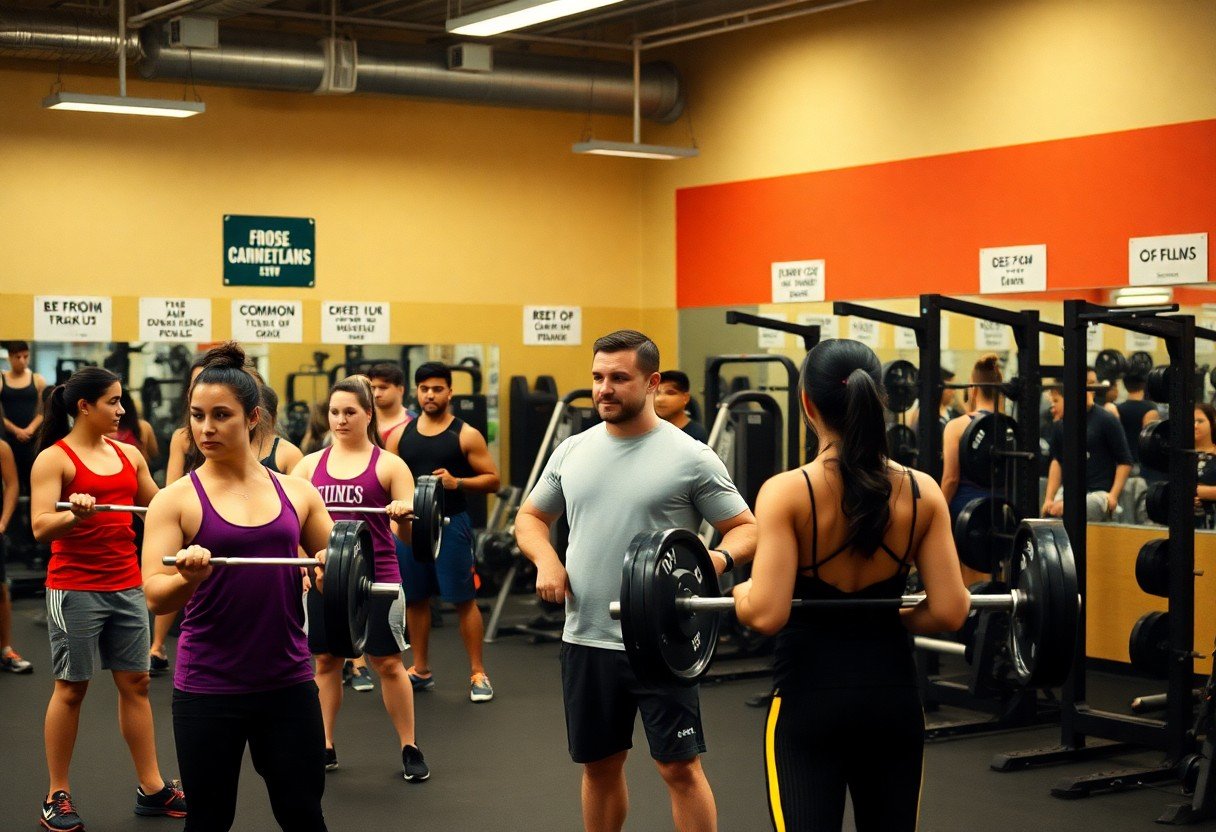
Mistakes in the gym can significantly hinder your progress and waste your effort. By understanding the common missteps that many people make, you can optimize your workouts and enhance your results. Focus on your form, consistent nutrition, and proper recovery, and you’ll see a positive shift in your fitness journey. This guide will equip you with the knowledge to avoid these pitfalls and ensure that every session counts towards your goals.

Key Takeaways:
- Focus on proper form to prevent injuries and improve effectiveness.
- Incorporate variety into your workout routine to avoid plateaus and maintain motivation.
- Track your progress to identify what works and make informed adjustments.
Understanding Common Gym Mistakes
Identifying Your Goals
Before you step into the gym, take time to clearly define your fitness goals. Are you aiming for weight loss, muscle gain, or improved endurance? Setting specific, measurable, achievable, relevant, and time-bound (SMART) goals will help tailor your workout plan. Without this clarity, you risk wasting time on exercises that don’t align with what you want to accomplish.
Recognizing Physical Limitations
Understanding your physical limitations is vital in creating a safe and effective workout routine. Acknowledging factors like age, injury history, and overall fitness level helps you avoid pushing your body beyond its capabilities, thus minimizing the risk of injury.
For instance, if you’ve had previous injuries, modifying exercises or altering intensity can prevent further complications. Each individual has unique constraints; listening to your body and incorporating rest days can significantly contribute to a sustainable fitness journey.
Common Misconceptions About Weight Training
Many people believe that weight training is solely for bodybuilders or that it can make you bulky. This misconception may deter you from incorporating resistance training into your routine. In reality, weight training can help you lose fat, improve overall strength, and increase metabolic rate.
Research shows that women, in particular, often avoid weights due to the fear of becoming bulky. However, a well-structured program will actually lead to a toned appearance rather than excessive muscle gain. Proper guidance and progressive overload principles can make weight training beneficial for any fitness level.
Importance of Proper Nutrition
Your results in the gym won’t show if your nutrition isn’t aligned with your fitness goals. Consuming a balanced diet rich in proteins, healthy fats, and complex carbohydrates is crucial for recovery and performance. Fueling your body adequately will enhance your energy levels and support muscle repair.
Adequate protein intake, around 1.6 to 2.2 grams per kilogram of body weight, is critical for those looking to build muscle. Additionally, ensuring you have micronutrients from fruits and vegetables will support overall health, allowing you to optimize your training regimen. Balancing macros according to your progress can significantly impact your results and adherence to your fitness journey.
Tips to Enhance Your Workout Efficiency
- Establish a Consistent Routine
- Incorporate Warm-up and Cool-down Practices
- Focus on Form and Technique
- Balance Cardio and Strength Training
Establishing a Consistent Routine
Consistency is key to seeing progress in your fitness journey. Schedule your workouts at the same time each week, treating them as appointments you cannot miss. This dedication builds discipline and helps establish muscle memory, which can accelerate your results.
Incorporating Warm-up and Cool-down Practices
Integrating proper warm-up and cool-down exercises enhances your workout quality and reduces injury risk. Warm-up prepares your body for strenuous activity, while cool-down helps your body recover post-exercise.
Before you begin your workout, spend at least 5-10 minutes on dynamic stretches or light cardio to gradually raise your heart rate. After your session, focus on static stretching to promote flexibility and aid muscles in recovery. This not only helps prevent injuries but also improves your overall performance during workouts.
Focusing on Form and Technique
Prioritize mastering your form over lifting heavier weights. Incorrect technique not only limits your progress but also increases the risk of injury.
Take the time to learn the proper mechanics of each exercise. Use mirrors or ask for guidance from trainers at the gym. This attention to detail ensures that your body adapts correctly, resulting in more effective and safer workouts, ultimately leading to quicker gains.
Balancing Cardio and Strength Training
While cardio promotes heart health and calorie burning, strength training builds muscle and boosts metabolism. Finding a balance between the two is necessary for optimal fitness.
Aim to include both modalities in your weekly routine. For instance, dedicate 2-3 days per week to strength training while reserving 2-3 days for cardio. This approach not only enhances your endurance but also helps in muscle recovery, ensuring comprehensive fitness progress. This balance creates a well-rounded regimen that supports overall health and quicker advances in your fitness goals.

Factors Influencing Gym Performance
Your performance in the gym can significantly affect your results. Various factors play a role, including:
- Nutrition
- Recovery
- Hydration
- Stress
- Motivation
Any imbalance in these areas can hinder your progress. For a deeper understanding, check out this 5 Common Gym Mistakes That Are Sabotaging Your ….
Role of Recovery and Rest Days
Integrating rest days into your routine is crucial for muscle recovery and growth. These days allow your body to repair itself, reducing the risk of injury and overtraining.
Importance of Hydration During Workouts
Staying hydrated during your workouts is vital for optimal performance. Proper hydration supports endurance, strength, and recovery, ensuring you can push through difficult sessions.
Dehydration can lead to fatigue, decreased coordination, and diminished performance. Aim to drink water before, during, and after workouts to maintain energy levels and improve overall gym efficiency.
Impact of Stress on Gym Performance
High levels of stress can negatively impact your workout performance. It might lead to fatigue, decreased motivation, and disrupted sleep patterns, all affecting your results.
Chronic stress can release cortisol, which may promote fat storage and muscle breakdown. Managing your stress through techniques such as mindfulness can enhance both your mental and physical performance in the gym.
Psychological Factors Affecting Motivation
Your mindset plays a pivotal role in maintaining motivation. Factors such as self-belief, goals, and support systems can greatly influence your dedication to your fitness journey.
- Self-belief
- Goal-setting
- Social support
- Positive reinforcement
The consistency in your efforts can be bolstered by surrounding yourself with supportive individuals and setting realistic, achievable goals.
Recognizing these psychological elements is crucial for sustaining your fitness regimen. A positive mindset enables you to overcome challenges and remain focused on achieving your desired results.
- Mindset
- Overcoming obstacles
- Goal achievement
The interconnectedness of these factors emphasizes the importance of mental and emotional well-being in your fitness journey.
Avoiding Overtraining and Burnout
Signs of Overtraining
Overtraining can manifest in several ways, including persistent fatigue, decreased performance, and increased irritability. You might also experience prolonged muscle soreness, difficulty sleeping, and a weakened immune system. If you notice that your workouts feel harder than usual and you’re not recovering adequately, these are strong signs that your body is signaling for rest.
Strategies for Managing Workout Intensity
To manage workout intensity effectively, incorporate principles like the progressive overload approach and periodization into your training. Vary your routine by changing exercise types or alternating between high-intensity and low-intensity sessions. This adaptability allows your body to recover while still making gains. Additionally, consider tracking your heart rate during workouts to ensure it’s within a safe range, adjusting efforts as necessary.
Implementing progressive overload means you gradually increase the weight or resistance used in your exercises, which can help prevent overexertion. Coupling this with heart rate monitoring helps you stay aware of your exertion levels. Aim for a heart rate that allows for effective training without pushing into dangerous zones. Keeping a log of workouts helps you visualize progress and optimize intensity while fostering recovery periods, leading to sustained results.
Recognizing When to Take a Break
It’s imperative to know when your body needs a break. If you feel consistently fatigued, your motivation plummets, or soreness lasts for more than a few days, you likely need to pause. Listen to your body; chronic discomfort or recurring injuries are clear indicators that rest is necessary for long-term progress.
Ignoring the signs of fatigue can lead to serious setbacks. Schedule regular deload weeks or active recovery days into your program, focusing on low-impact activities such as yoga or walking. By prioritizing recovery time, you can improve performance during intense workout phases, helping to sustain your fitness journey without the risk of burnout.

Nutrition Tips to Support Gym Goals
- Fuel your body with balanced meals.
- Focus on whole foods for better nutrient absorption.
- Stay hydrated to maximize performance.
- Prioritize protein intake for muscle repair.
- Incorporate healthy fats for sustained energy.
This will ensure you’re not compromising your results with poor nutrition.
Pre-workout Nutrition Essentials
Before hitting the gym, it’s important to provide your body with the right fuel. Aim for a meal or snack rich in complex carbohydrates and moderate in protein about 30 to 60 minutes prior to your workout. Foods such as oatmeal with fruit or a yogurt with granola can enhance your energy levels and improve performance, ensuring you’re ready to tackle your session effectively.
Post-workout Recovery Foods
After your workout, your body requires nutrients to recover effectively. Incorporate foods rich in protein and carbohydrates to replenish glycogen stores and facilitate muscle repair. Options like a protein shake, grilled chicken with quinoa, or a banana with peanut butter are ideal for recovery and should be consumed within an hour of finishing your workout.
Post-workout meals play a pivotal role in your recovery process. Consuming the right blend of nutrients helps in repairing muscle tissue damaged during exercise, optimizing glycogen restoration, and reducing overall recovery time. A well-balanced post-workout meal can significantly amplify the benefits of your hard work at the gym.
Importance of Macronutrients and Micronutrients
Understanding macronutrients-carbohydrates, proteins, and fats-along with micronutrients like vitamins and minerals is vital for supporting your gym goals. Each macronutrient serves a specific purpose: carbohydrates provide energy, proteins build and repair muscles, and healthy fats are crucial for hormone production and overall health. Neglecting these can stall your progress.
Micronutrients, although required in smaller amounts, play an important role in various biochemical functions. For example, calcium and vitamin D are critical for bone health, while B vitamins aid in energy metabolism. Balancing your intake of macronutrients and ensuring adequate micronutrient levels will enhance your overall performance and recovery, making a significant difference in achieving your fitness goals.
Seeking Professional Guidance
Benefits of Personal Trainers
Working with a personal trainer can significantly accelerate your progress. They provide tailored workouts that match your fitness level and goals, ensuring you maintain proper form to avoid injuries. A trainer also offers accountability, motivating you to stay consistent with your routine. Studies show that clients with personal trainers often achieve results at double the rate compared to solo trainees.
How to Choose the Right Coach
Select a personal trainer who specializes in your specific fitness goals. Look for certifications from recognized organizations, and consider their experience with clients who have similar objectives to yours. Schedule initial consultations to gauge their approach and personality, ensuring it aligns with your needs.
When choosing a coach, evaluate their communication style and method of instruction. A good trainer should be able to explain complex concepts in understandable terms and adapt workouts to your evolving abilities. Check reviews from past clients to identify trainers with consistent track records of success. Trust your instincts; feeling comfortable and inspired by your coach is crucial for long-term commitment.
Utilizing Fitness Classes for Motivation
Fitness classes can inject excitement into your workout routine by providing structured sessions led by skilled instructors. The collective energy of a group can be highly motivating, pushing you to perform better than you might on your own. Classes often incorporate a range of activities, keeping your workouts varied and engaging.
Joining fitness classes not only helps with motivation but also fosters community among participants. You’ll connect with others who share similar goals, creating a sense of camaraderie that encourages accountability. Many gyms offer trial classes or package deals, allowing you to explore different formats and find the ones you enjoy most without long-term commitments.
To wrap up
Following this guide, you can significantly enhance your gym experience by avoiding common mistakes that hinder your progress. Focus on setting realistic goals, maintaining proper form, and incorporating rest days into your routine. Stay consistent, track your workouts, and listen to your body. By implementing these strategies, you’ll optimize your efforts and see improved results in your fitness journey.
FAQ
Q: What are the most common gym mistakes that hinder progress?
A: Common mistakes include improper form during exercises, skipping warm-ups and cool-downs, not varying workouts, neglecting nutrition, and not allowing for adequate rest and recovery.
Q: How can I improve my exercise form?
A: To improve exercise form, consider working with a personal trainer, using mirrors to check alignment, watching instructional videos, and starting with lighter weights to focus on technique before increasing load.
Q: Is it important to change my workout routine frequently?
A: Yes, changing your workout routine every 4-6 weeks can prevent plateaus, keep workouts interesting, and target different muscle groups, leading to better overall results.
Q: What role does nutrition play in my gym results?
A: Nutrition plays a significant role in gym results by providing the necessary energy for workouts, aiding in recovery, and supporting muscle growth. Focus on a balanced diet with adequate protein, carbohydrates, and healthy fats.
Q: How can I ensure I get enough rest and recovery?
A: Ensure adequate rest by incorporating rest days into your schedule, getting sufficient sleep each night, and listening to your body for signs of overtraining. Consider active recovery activities like stretching or light walking on rest days.