
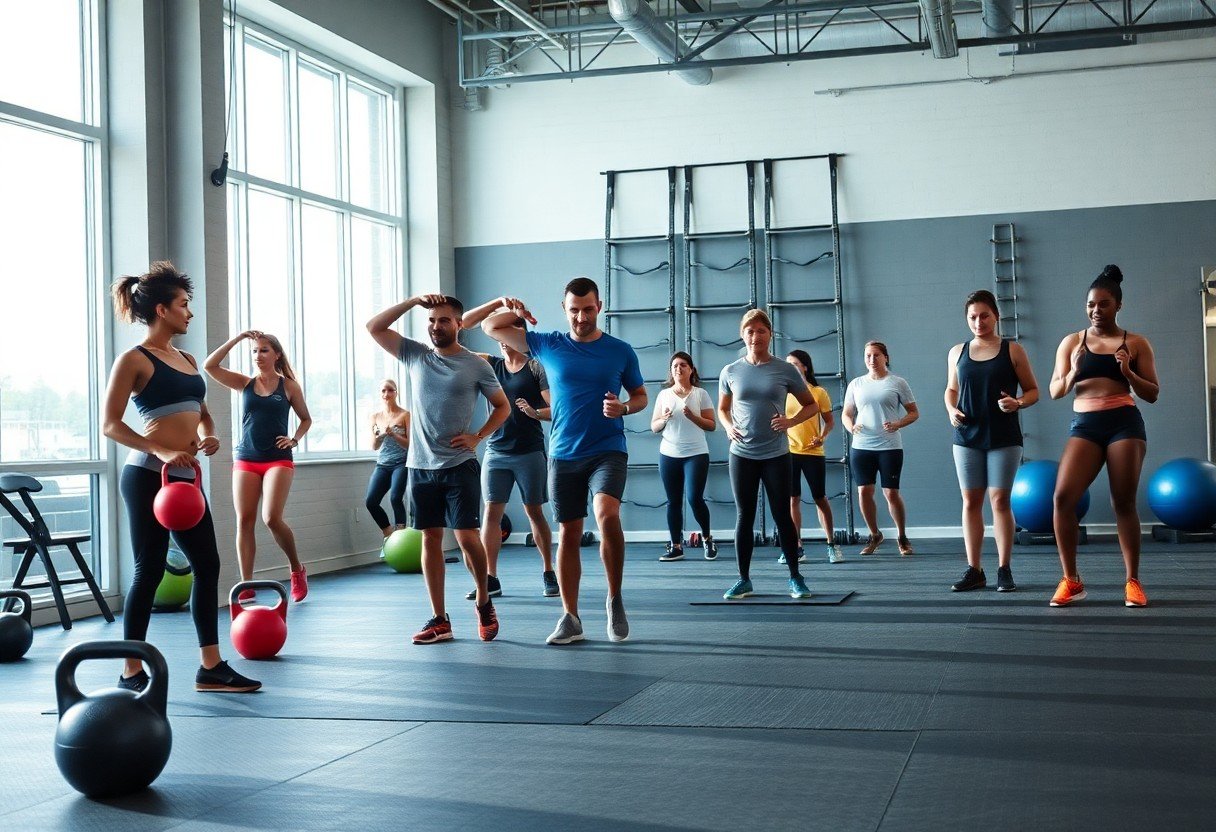
Over the next few years, fitness trends are shifting towards functional gym training, emphasizing movements that enhance daily life and overall fitness. As you explore these emerging trends for 2025, you’ll find that this approach not only boosts your strength and endurance but also reduces the risk of injury. By integrating exercises that mimic everyday tasks, you can improve your mobility and balance, making your workouts more relevant and effective. Stay ahead of the curve to maximize your training benefits and align with the future of fitness.
Key Takeaways:
- Functional training emphasizes real-life movement patterns, enhancing daily physical performance.
- Technology integration, including wearable devices and fitness apps, is increasingly shaping training methodologies.
- Community-based workouts and group training sessions are gaining popularity, fostering motivation and accountability.

Understanding Functional Training
Definition of Functional Training
Functional training involves exercises that mimic everyday movements, enhancing your ability to perform daily tasks with ease. This approach prioritizes stability, core strength, and overall movement patterns rather than isolating muscles, making your workouts more effective and applicable to real-life activities.
The Evolution of Functional Training
Over the years, functional training has transitioned from niche workouts favored by athletes and rehabilitation specialists to mainstream fitness routines. Initially focused on recovery and injury prevention, it now encompasses a diverse range of high-intensity workouts and training modalities appealing to broader fitness audiences.
Functional training began gaining traction in the late 20th century, primarily as a rehabilitation strategy for athletes recovering from injuries. As fitness trends evolved in the 2000s, it expanded dramatically, integrating elements from disciplines such as Pilates, yoga, and even martial arts. Today, it is synonymous with holistic training philosophies that emphasize coordination, balance, and agility, catering to fitness enthusiasts across various genres.
Key Principles of Functional Training
The core principles of functional training focus on enhancing movement quality rather than isolated strength. You’ll find key elements such as multi-dimensional movements, stability, and core integration, all contributing to improved functionality across all domains of physical activity.
Multi-dimensional movements, like squats and lunges, utilize multiple muscle groups, ensuring that your body functions as a unified system. By placing an emphasis on core stability, functional training prepares your body for unexpected challenges, improving your overall resilience. Incorporating various planes of movement keeps your training dynamic and engaging, ultimately refining your physical capabilities.
Benefits of Functional Training
Engaging in functional training can significantly enhance your overall physical performance, offering benefits like improved strength, stability, and flexibility. This type of training can positively influence your daily activities, making tasks like lifting groceries or climbing stairs easier and safer.
The integration of functional training into your routine results in enhanced neuromuscular coordination and reduced risk of injury. Research has shown that individuals who regularly practice functional movements display superior strength in real-world scenarios, ultimately boosting their confidence and physical independence as they age. With consistent engagement, you can develop a body that’s not only fit but also adept at tackling day-to-day challenges with ease.
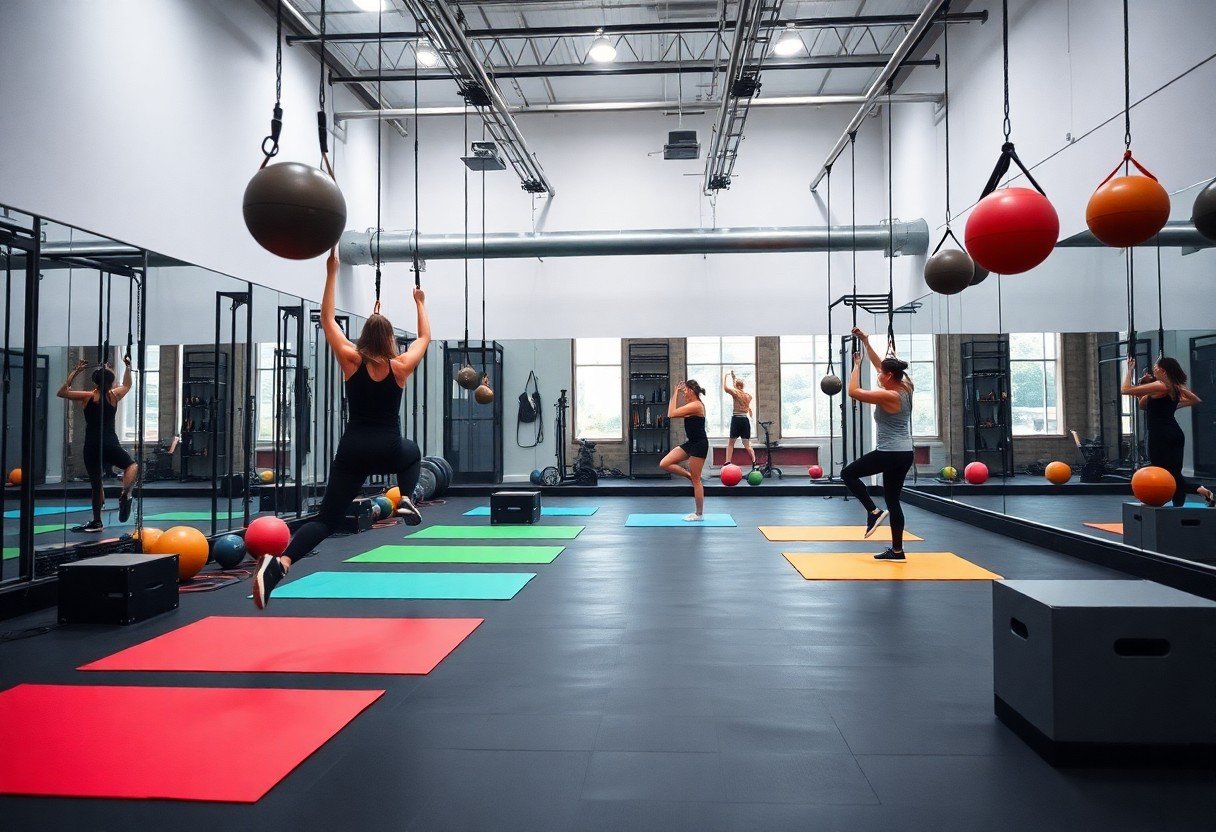
The 2025 Fitness Trends: An Overview
As you navigate the evolving fitness landscape, staying updated with the latest trends is important for optimizing your gym’s approach. Explore 20+ Fitness Trends to Boost Your Gym’s Revenue in 2025 to gain insights into emerging strategies and practices that will shape the future of fitness.
Technology Integration in Fitness
The integration of technology in fitness is transforming workout experiences. Smart wearables, fitness apps, and virtual reality are becoming mainstream, allowing you to track your progress more accurately and personalize your routines. With the burgeoning field of data analytics, fitness professionals can provide tailored programs that enhance customer engagement and satisfaction.
Rise of Hybrid Workouts
Hybrid workouts, combining in-person and online training, are rapidly gaining traction. This trend allows you to choose flexible participation options, accommodating varying schedules and preferences while enhancing training accessibility.
As people seek the best of both worlds, hybrid workouts enable you to engage with fitness communities both physically and digitally. Offering this adaptability can attract diverse clientele, ensuring that everyone finds a suitable method to achieve their fitness goals. Whether participating at home through live-streamed sessions or attending classes in-person, hybrid formats keep your workouts dynamic and appealing.
Emphasis on Mental Well-being
Pursuing fitness in 2025 goes beyond physical results, focusing significantly on mental well-being. Incorporating mindfulness, meditation, and stress-reduction techniques within workouts is becoming standard practice to support holistic health.
As you integrate mental health components into your fitness offerings, consider implementing workshops or classes that focus specifically on relaxation and clarity. This can help create a balanced approach to fitness, which is important in an increasingly stressful world. By prioritizing mental well-being, you not only enhance the overall experience for your clients but also foster a supportive community that values both mental and physical health.
Community Engagement and Social Fitness
Community-driven fitness initiatives are on the rise, allowing you to build stronger connections among participants. Social fitness events and classes enhance member retention and camaraderie, making exercise a shared experience.
Encouraging social interactions, such as group challenges, themed workout sessions, or charity events, fosters a sense of belonging among participants. Creating opportunities for members to connect beyond traditional workouts not only boosts motivation but also helps you cultivate a positive gym culture. By tapping into the power of community, you enhance loyalty and generate a supportive environment where fitness enthusiasts thrive together.

Functional Gym Training Techniques
Core Stabilization Exercises
Core stabilization exercises are designed to enhance the stability of your torso, allowing for better posture, balance, and overall functional movement. Engaging multiple muscle groups, these exercises often involve planks, bridges, and medicine ball rotations, which can effectively strengthen your core and support your spine during daily activities.
Compound Movements
Compound movements are multi-joint exercises that engage several muscle groups simultaneously, such as squats, deadlifts, and bench presses. These exercises are vital for building functional strength, as they replicate real-life movements and improve overall athletic performance.
Incorporating compound movements into your routine not only saves time but also boosts your metabolic rate, leading to greater caloric burn. For instance, a well-executed squat fires up your legs, core, and even stabilizers, enhancing your ability to perform everyday tasks with ease. Aim for at least two to three compound exercises per workout to maximize your gains.
Plyometric Training
Plyometric training focuses on explosive movements that enhance your power and speed. Exercises like box jumps and burpees force your muscles to exert maximum force in short intervals, which can significantly improve your athletic performance and overall conditioning.
Engaging in plyometric training increases muscle elasticity and promotes neuromuscular coordination, vital for sports and high-intensity activities. Just a few sessions a week can lead to noticeable improvements in your jumping ability and reaction time, making these drills a valuable component of any functional training program.
Balance and Coordination Drills
Balance and coordination drills are vital for developing your stability and agility, which are often overlooked in traditional strength training. Exercises such as single-leg stands, stability ball rolls, and agility ladder drills enhance your proprioception and help you navigate various physical challenges with confidence.
Utilizing balance and coordination exercises regularly not only improves your athletic performance but also decreases your risk of injuries. Regular practice can help sharpen your reflexes and overall body awareness, ultimately translating into better execution of functional movements in your daily life.
Equipment Trends for Functional Training
Versatile Training Tools
Innovative equipment is key for functional training, allowing you to perform a wide range of movements with minimal space. Kettlebells, battle ropes, and suspension trainers are gaining popularity due to their adaptability, enabling you to work on strength, endurance, and balance in one session. These tools encourage dynamic movement patterns, promoting better overall athleticism.
Bodyweight Exercises
Bodyweight exercises are fundamental in functional training, emphasizing strength without the need for equipment. Engaging in movements like push-ups, squats, and lunges allows you to use your body as resistance, enhancing your core stability and overall functional strength.
As you incorporate bodyweight exercises into your routine, focus on variations for added challenge. Progress to advanced moves like pistol squats and handstand push-ups to continually engage your muscles. Additionally, these exercises improve your balance and coordination, which are vital for everyday tasks.
The Role of Resistance Bands
Resistance bands are gaining traction as an effective and portable tool for functional training. They offer varied levels of resistance, making them suitable for all fitness levels, and can easily be integrated into your workouts to enhance strength and stability.
Utilizing resistance bands allows you to perform both upper and lower body exercises effectively while promoting joint health. Their versatility means you can replicate compound movements, such as row or press variations, which simulate functional activities you encounter in daily life. Plus, you can perform band exercises anywhere, making it easier to stay consistent.
Free Weights vs. Machines
The debate between free weights and machines continues, but functional training favors free weights for their ability to engage stabilizing muscles. Using dumbbells and barbells in your workouts is vital for improving joint mobility and functional strength.
Free weights require greater neuromuscular coordination compared to machines, which can isolate specific muscles. This translates to improved proficiency in everyday movements, such as lifting and carrying. By incorporating free weights into your regimen, you enhance functional strength that directly benefits your daily life while effectively preventing injury through real-world movement simulation.
Demographics and Functional Training
Age-Based Training Approaches
Age significantly influences your functional training approach, with tailored programs designed for different life stages. For instance, younger adults may focus on high-intensity workouts to build strength and endurance, while older adults benefit from low-impact movements that promote balance and flexibility. Adapting exercises to your age group enhances effectiveness and promotes long-term adherence to fitness routines.
Gender Differences in Training Preferences
Research indicates that men and women often exhibit differing preferences in training styles, impacting participation rates in functional training programs. You may find men gravitating towards strength-oriented workouts, while women generally prefer exercises emphasizing endurance and flexibility.
The differences can also stem from societal norms and personal goals. Men often seek workouts that emphasize muscle gain, while women may prioritize toning and functional mobility. This distinction suggests the need for tailored programming that resonates with your individual goals and comfort levels, making functional training more appealing and effective for both genders.
Functional Training for Specific Health Conditions
Functional training is increasingly recognized for addressing specific health conditions, such as arthritis or obesity. These tailored workouts help you regain mobility, strengthen muscles, and improve quality of life, focusing on exercises that mimic daily activities.
For those managing health conditions, programs can be designed to consider individual limitations and needs. For example, low-impact aerobic exercises combined with strength training can empower individuals with arthritis to enhance joint function. By incorporating functional movements, these programs support sustainable lifestyle changes and improved health outcomes.
Inclusivity in Functional Training Programs
Inclusivity in functional training programs is vital for fostering a supportive environment where everyone feels welcome. You should expect programs that cater to diverse fitness levels, abilities, and backgrounds, ensuring everyone can engage meaningfully.
By implementing adaptive techniques and equipment, such as resistance bands for varying strength levels or modifications for injuries, trainers can create accessible routines. Case studies show that inclusive environments increase participation rates, enhance community bonds, and lead to better overall fitness outcomes for a broad spectrum of individuals, irrespective of their starting point.
The Future of Functional Training
Innovations in Training Environments
Emerging technologies are reshaping functional training environments, with innovations such as virtual reality workouts and interactive fitness equipment becoming mainstream. These advancements allow you to engage with your training like never before, incorporating real-time feedback and competition into your routine. Facilities are also integrating adaptable spaces that can quickly transform to cater to various workout styles, making functional training more accessible and exciting.
The Role of Personal Trainers
In the evolving landscape of functional training, personal trainers play a pivotal role in guiding you through tailored programs that maximize your results. They are not merely instructors but also motivators and educators, ensuring your form is correct, your technique is effective, and your goals are achievable.
With the integration of technology in training, personal trainers now utilize apps and wearable devices to monitor your progress, customize workouts, and refine techniques based on data. They can analyze your movements in real time, offering immediate corrections to prevent injury and enhance performance. Personal trainers are increasingly becoming experts in biomechanics, helping you understand the ‘why’ behind each exercise to foster deeper engagement and progress.
Trends in Group Training Sessions
Group training sessions are shifting towards more specialized programs that cater to specific demographics or fitness goals. Whether it’s high-intensity functional training for athletes or low-impact sessions for older adults, these targeted classes foster community and motivation while addressing your unique needs.
The rise in social interaction within group settings enhances accountability and camaraderie, driving you to push your boundaries. Sessions featuring circuit training or obstacle courses encourage teamwork and competition, making workouts not just a task but an enjoyable experience. This collaborative environment often leads to better retention rates, as you find encouragement from peers and trainers alike, cultivating a sense of belonging in your fitness journey.
Continued Research and Development
The field of functional training is benefiting from ongoing research that informs best practices and exercise efficacy. As new studies emerge, you gain insights into which movements and methods yield the best results for functional fitness.
This continuous research is evaluating diverse training modalities and their long-term impacts on health and performance. For example, studies have shown that incorporating multi-directional movements can significantly reduce the risk of injury in daily activities. By staying updated with the latest findings, you can adapt your training regimen to include evidence-based practices that enhance versatility and overall fitness, ensuring your workouts remain effective and relevant.
Summing up
The 2025 fitness trends emphasize the growing importance of functional gym training, shifting the focus from traditional workouts to exercises that enhance everyday performance. You are encouraged to integrate movements that mimic real-life activities, allowing you to improve strength, balance, and mobility. This approach not only prepares your body for daily tasks but also reduces the risk of injury. As you adapt to these trends, your overall fitness will reflect a more holistic understanding of wellness, ultimately enriching your physical capabilities and transforming your workout experience.
FAQ
Q: What are the key elements of functional gym training in 2025?
A: Key elements include full-body movements, emphasis on mobility and flexibility, integration of balance and stability exercises, use of bodyweight training techniques, and incorporation of resistance training with functional equipment.
Q: How does technology influence functional gym training trends for 2025?
A: Technology influences by providing wearable fitness trackers, virtual coaching through apps, AI-assisted personalized training programs, and enhanced gym equipment that tracks performance metrics in real-time.
Q: What role does group training play in functional gym training trends in 2025?
A: Group training fosters community engagement, enhances motivation, and allows for social interaction while performing functional exercises, leading to increased adherence to fitness regimens and improved results.
Q: How are rehabilitation and injury prevention integrated into functional gym training?
A: Rehabilitation and injury prevention focus on tailored workout programs that address individual movement patterns, strengthen weak areas, and incorporate recovery strategies, emphasizing the importance of correct movement mechanics.
Q: What are the benefits of prioritizing functional fitness in gym settings?
A: Benefits include improved overall physical performance, enhanced daily life activity efficiency, reduced risk of injury, increased strength and flexibility, and a more engaging workout experience that attracts diverse clientele.